
Top Signs You Need Garage Door Service – Don’t Ignore These
A door that takes two seconds longer to open than it did six months ago isn’t “just slow.” It’s a spring losing tension, and it’s telling you exactly what will fail next if you know how to read the signals. Most garage door failures don’t start with a loud bang; they start with small behavior changes homeowners normalize for weeks, then get surprised by a snapped spring or a frayed cable that finally lets go. Here are the warning signs worth acting on, and what each one usually means.
If reading through this list makes you uneasy about your own door, call (877) 357-8434. We answer 24/7, dispatch technicians fast from 7am to 7pm Sunday through Friday, and estimates are free.
Key Takeaways
- Gradual changes in speed, sound, and movement are earlier warnings than a full breakdown.
- An intermittent door is more dangerous than one that fails the same way every time.
- A five-minute visual check of springs, cables, and rollers catches most problems before they strand you.
- Spring and fall in Silver Spring are the highest-risk seasons for a door system to fail.
- Anything involving springs or cables under tension belongs to a trained technician, not a weekend project.
Your Door Slowing Down or Feeling Heavier
A door that rises more slowly, sags at the halfway point, or feels heavier when you lift it by hand is usually showing you a spring that has lost tension or is starting to fail. Garage door springs counterbalance the door’s weight, and as they weaken, the opener has to work harder to cover the difference. On a manual door, that shows up as a door you can barely lift. On an automatic door, the opener motor takes the extra load until it either strains, stalls, or trips its safety reverse.
Watch for these specific movements:
- The door hesitates or stutters at one point in its travel, usually a third to halfway up.
- The door comes down faster than it goes up, or slams the last few inches.
- The door drifts back down a few inches after you let go of the manual release.
- You hear the opener running but the door doesn’t move, or moves a few inches and stops.
Each of those points to a different part of the system. Stuttering at one height is often a spring or a worn roller binding in the track. A door that drifts down after you release it usually means a torsion spring has lost its hold. An opener that runs without lifting the door tells you the motor is working but the mechanical side isn’t, which can mean a broken spring, a snapped cable, or a stripped gear in the opener itself.
If you’ve noticed any of these, it’s a good moment to schedule a look rather than wait for the door to stop entirely. A technician can measure spring tension and check the balance of the door in minutes, and if it turns out you need garage door repair, the estimate is free and the price is agreed before any work starts.
New Sounds You Can’t Unhear
Garage doors make noise. The question is whether the noise is normal wear or a warning. In our experience, homeowners get used to a mild roller rattle because it’s been there since the door was installed, and then mistake a new grinding or popping sound for “just the door being loud today.” Those two categories mean very different things.
Normal wear sounds
- A light rattle from the rollers moving through the track on each pass.
- A steady, low hum from the opener while it runs.
- A soft thud when the door meets the floor.
Sounds worth investigating
- Grinding coming from the opener or the track. Often a dry or worn roller, a misaligned track, or a gear wearing inside the opener.
- Popping or snapping from the springs or above the door. A spring that pops can be a torsion spring losing coils, and it should be treated as urgent.
- A sharp crack or twang, followed by the opener running without lifting the door. That’s the sound of a spring breaking, or a cable letting go.
- A scraping sound as the door moves. Something is binding, and the opener is forcing the door through it.
Grinding and popping don’t fix themselves, and they don’t get quieter. They usually announce an imminent failure a week or two before it happens. A technician familiar with your door and opener brand can often identify the source just by listening and checking the hardware, which is one reason we work on the brand you already have, whether that’s a Genie opener or a Clopay door. If the noise traces back to the motor or the control board, garage door opener repair is a separate specialty from the mechanical side, and it’s worth having someone who handles both under one call.
Intermittent Problems Are More Urgent Than Consistent Ones
A door that fails the same way every single time is annoying but predictable: you know it won’t open, so you park outside and schedule service. A door that opens fine one day, sticks the next, then works for a week before failing again is a different problem entirely. Intermittent failures mean something is loose, worn, or just barely holding, and those are the ones that strand a car at the worst moment.
Common intermittent symptoms:
- The door opens fine in the morning but reverses on its own in the afternoon.
- The opener sometimes responds to the remote, sometimes doesn’t.
- The door stops halfway only when it’s cold, or only when the sun hits the sensor.
- The safety reverse trips for no obvious reason, or fails to trip when you test it.
Each of those points to something specific: a safety sensor that’s drifted out of alignment, a logic board with a failing connection, a remote battery or a frequency interference issue, or a limit switch on its way out. Intermittent reverse behavior is the one to treat seriously. A door that reverses randomly can come down on a person or a car, and the safety reverse is exactly the feature meant to prevent that. When it works only sometimes, you can’t rely on it.
The frustrating part about intermittent problems is that they’re hard to diagnose by symptom alone. A technician who knows the opener brand can check the logic board, the sensors, and the mechanical side in a single visit instead of guessing. That’s the advantage of covering springs, openers, panels, and controls as one service call.
The Five-Minute Visual Check You Can Do Without Touching Anything
You can catch a lot of garage door problems in five minutes with your eyes alone. The key rule is look, don’t touch. Springs and cables are under high tension at all times, and a failing spring or cable can release stored energy without warning. Never try to adjust, unhook, or cut anything under tension yourself. That’s a job for a trained technician with the right tools, and the injury risk from a spring that lets go is the reason.
What to look at, and what’s a red flag
- Springs (above the door or along the sides). A visible gap or split in the coil is a broken spring. Torsion springs over the door should look even along their length, with no section that’s separated or hanging.
- Cables (the thin steel lines running along each side). Look for fraying, kinks, or a cable that’s come off its drum. A cable with visible broken strands is a failure waiting to happen.
- Rollers and hinges. Worn rollers look flattened or cracked. Hinges that are bent or loose mean the door is moving unevenly.
- Track. A dented or bent track section will bind the door. Look for gaps between the roller and the track edge.
- Weatherstripping along the bottom and sides. Cracked, torn, or missing weatherstripping lets water and pests in, and it’s one of the cheapest fixes on the list if you catch it early.
- The door panels. Dents, cracks, or panels that look misaligned usually mean an impact happened and the frame behind it may be bent too.
If anything on that list looks off, note it and call for a look. A technician can confirm whether it’s wear or a real failure in a few minutes, and if the springs are the culprit, garage door spring repair is one of the more technically demanding jobs in the trade, so it’s worth having it done right.
Seasonal Timing: Why Spring and Fall Are the High-Risk Windows in Silver Spring
Garage door failures don’t happen evenly across the year. Spring and fall in Silver Spring are the two periods when homeowners call us most, and the reason is mechanical. During the cooler months, metal contracts, lubricants thicken, and the springs and rollers work against a little more resistance than they do in summer. When temperatures swing hard between day and night, the door system expands and contracts with them, and any spring or cable already near the end of its working life tends to go during one of those swings rather than on a mild day.
The practical takeaway: schedule a service check before spring and before fall, rather than after something breaks. A pre-season tune-up on the springs, cables, and rollers is cheap next to an emergency call to get a car out of a stuck door. It’s a bit like getting the gutters cleared before the first storm, only with less ladder risk and more moving parts.
Cars, weather, and porch lights aside, this is the reality of a door that’s your home’s largest moving part. The seasonal pattern is stable enough that we can plan around it. Repairs and safety checks can be scheduled ahead of the high-risk windows. Installation and replacement jobs are measured, ordered, and scheduled, so a free measure and a written price keeps a new door on your timeline rather than the season’s.
If your door is already acting up heading into one of those windows, don’t wait for the crack. Silver Spring Garage Door Repair handles springs, cables, panels, and openers, and we work with brands like Amarr, Wayne Dalton, LiftMaster, and Chamberlain, so the technician assigned to you already knows the equipment on your house.
When to Call a Pro
Some jobs are fine for a homeowner with a screwdriver and a Saturday morning: swapping weatherstripping, replacing a remote battery, or clearing a visual obstruction in front of the safety sensor. Other jobs belong to a trained technician, full stop. That list is longer than most people expect:
- Anything involving springs or cables under tension, no exceptions.
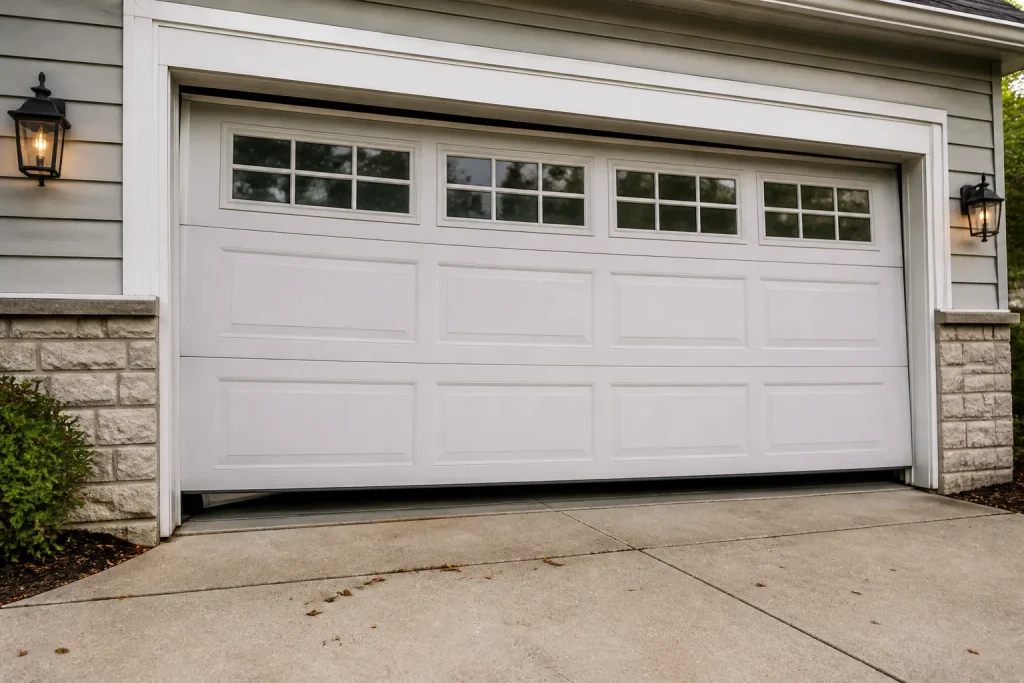
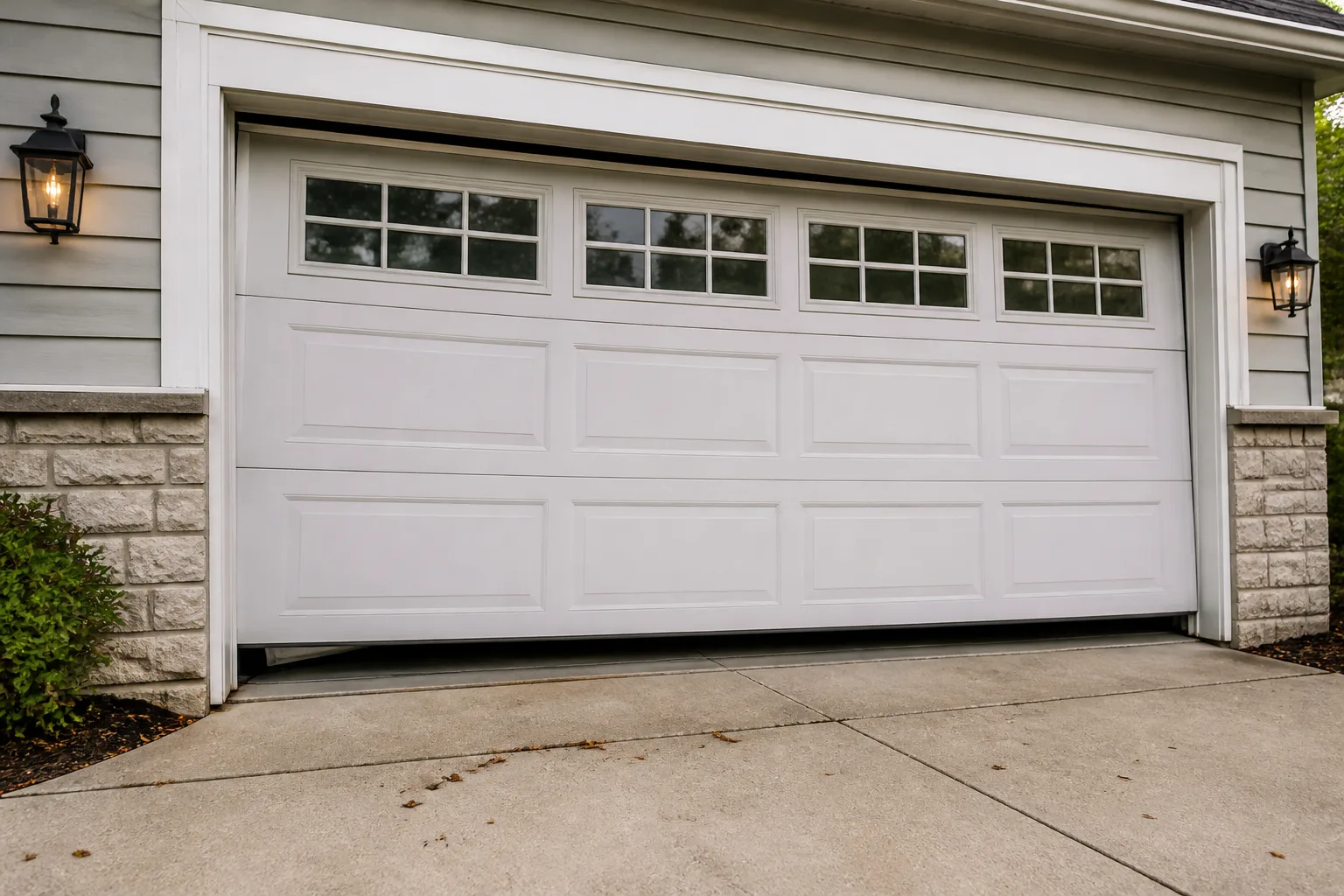
- A door that’s come off its track or is hanging unevenly.
- The opener running but the door not moving.
- Intermittent reverse behavior or a safety reverse that won’t trip when tested.
- Grinding or popping sounds from the opener or the track.
- Any damage after a car or impact event, even if the door still opens.
Our technicians have up to 8 years of experience, and spring repair is a specialty of ours rather than a side job. The local pro is licensed and insured as their state requires, the price is set per job by the written estimate, and you’ll see that price before any work starts. If you’re unsure whether something on this list is urgent, call and describe it. We answer 24/7.
Related services in Silver Spring: garage door repair, garage door opener repair, and garage door spring repair.
The Bottom Line
Most of the signs in this post start small: a door that’s a little slower, a sound that’s new, a problem that only shows up sometimes. Those are the moments when a short service call is cheap and an emergency call is not. Ignoring them doesn’t make the spring stronger. It just moves the failure to a less convenient day.
If you’re in Silver Spring and want a straight answer on what’s going on with your door, Silver Spring Garage Door Repair offers free estimates. Call (877) 357-8434. We answer 24/7. Fast dispatch from 7am to 7pm, Sunday through Friday, closed Saturday. A call outside dispatch hours is booked into the next opening, Sunday through Friday, 7am to 7pm. If your door has already failed and you’re dealing with a security or safety risk, call the same number and we’ll get you on the schedule to get back inside safely.
Frequently Asked Questions
The most reliable sign is a door that’s become noticeably heavier or slower to lift, along with a visible gap or uneven coil on the spring itself. A popping or snapping sound above the door is a strong warning. Springs under tension should not be inspected by touch, so call a technician for confirmation. For a look at spring pricing and options, call (877) 357-8434 and estimates are free.
Not always. A slow door can also mean worn rollers binding in the track, a misaligned track, a failing opener motor, or a torque setting that’s drifted. That said, springs are the most common cause of a door that feels heavier than it used to. A technician can usually identify the cause in a single visit, which is why we cover springs, openers, and panels under one call. Call (877) 357-8434 to schedule a look.
Intermittent operation usually traces back to a few things: a safety sensor that’s drifted out of alignment, a remote or battery issue, radio interference, or a limit switch or logic board that’s failing on your opener. It’s worth taking seriously because random reverse behavior is the safety concern, not just an annoyance. A technician can test the sensors and opener controls directly. Call (877) 357-8434 if you want a technician out.
No. Springs and cables are under high tension and can release without warning, which is why this is one of the few jobs in home maintenance that genuinely requires a trained technician with the right tools. The safe homeowner option is visual inspection only: look for gaps, fraying, or misalignment, then call for service. We offer spring repair as a dedicated service, because the work demands the skill. Call (877) 357-8434 and the price will be quoted and agreed before any work starts.
Written by the team at Silver Spring Garage Door Repair.
Need Garage Door Help?
Call Silver Spring Garage Door Repair - the local pro we connect you with is licensed and insured, here with fast help in Silver Spring.
(877) 357-8434