
Last updated November 21, 2026
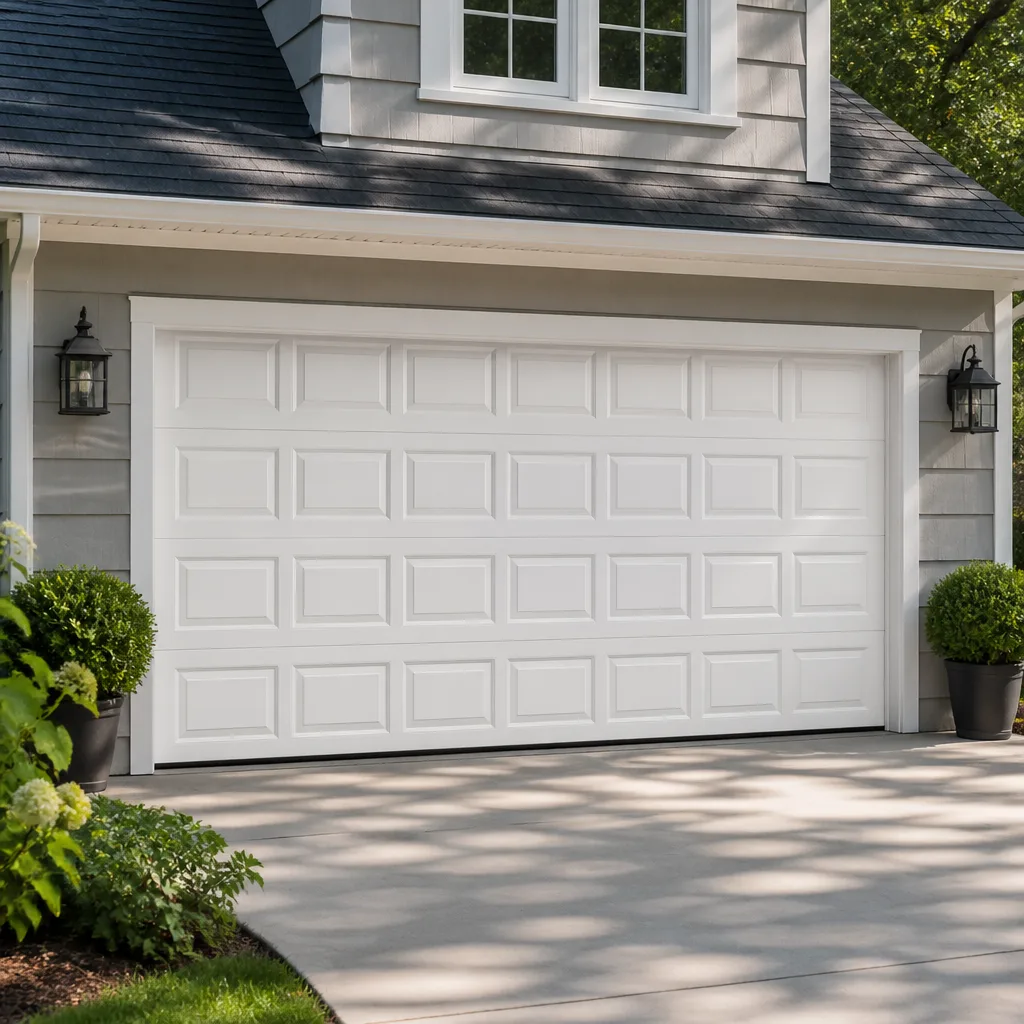 Raised-panel steel
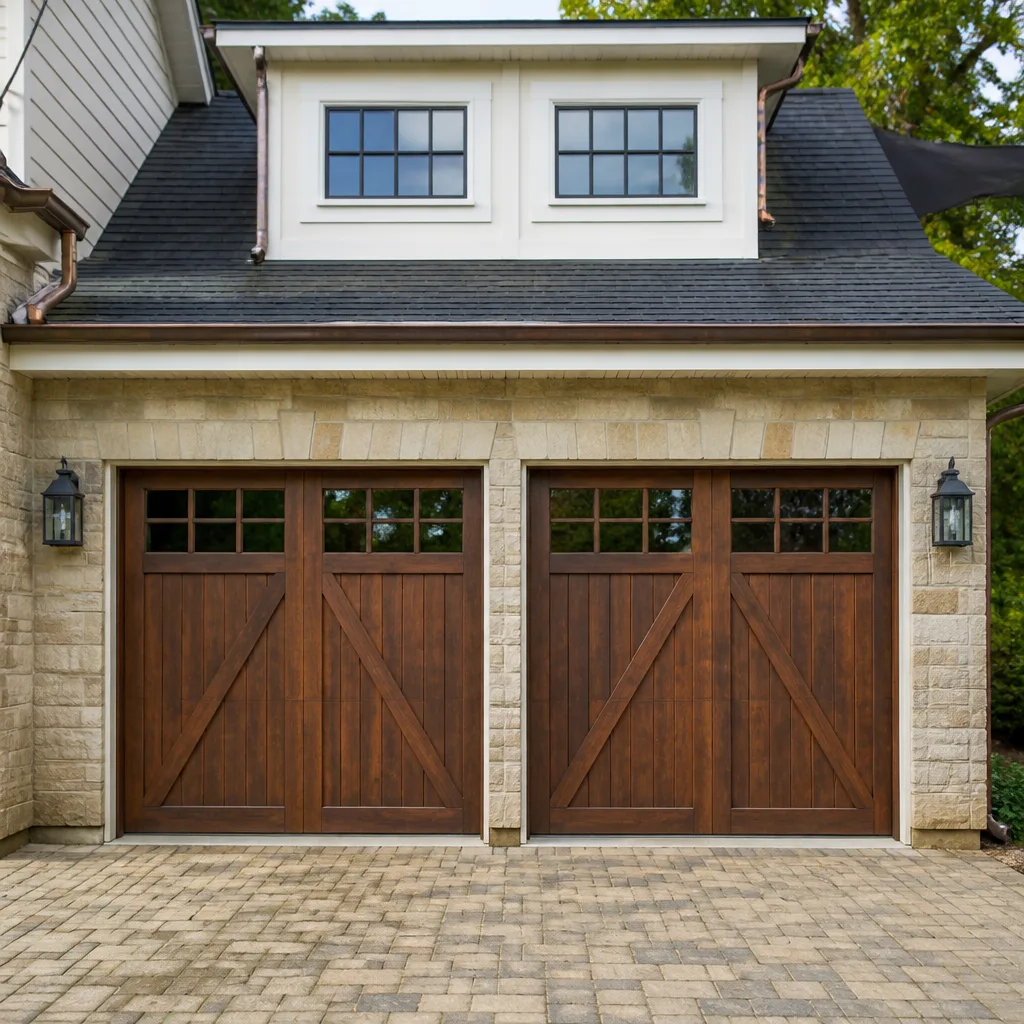 Carriage house
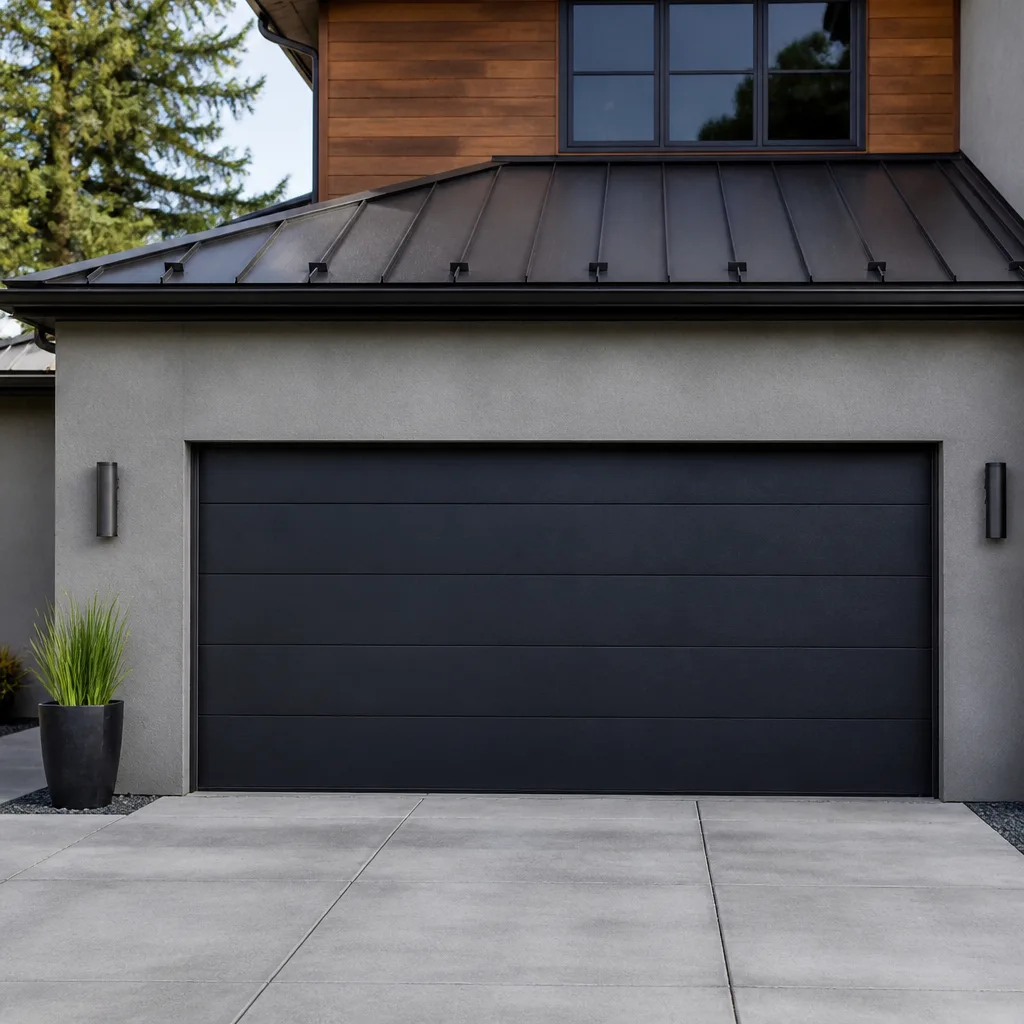 Modern flush
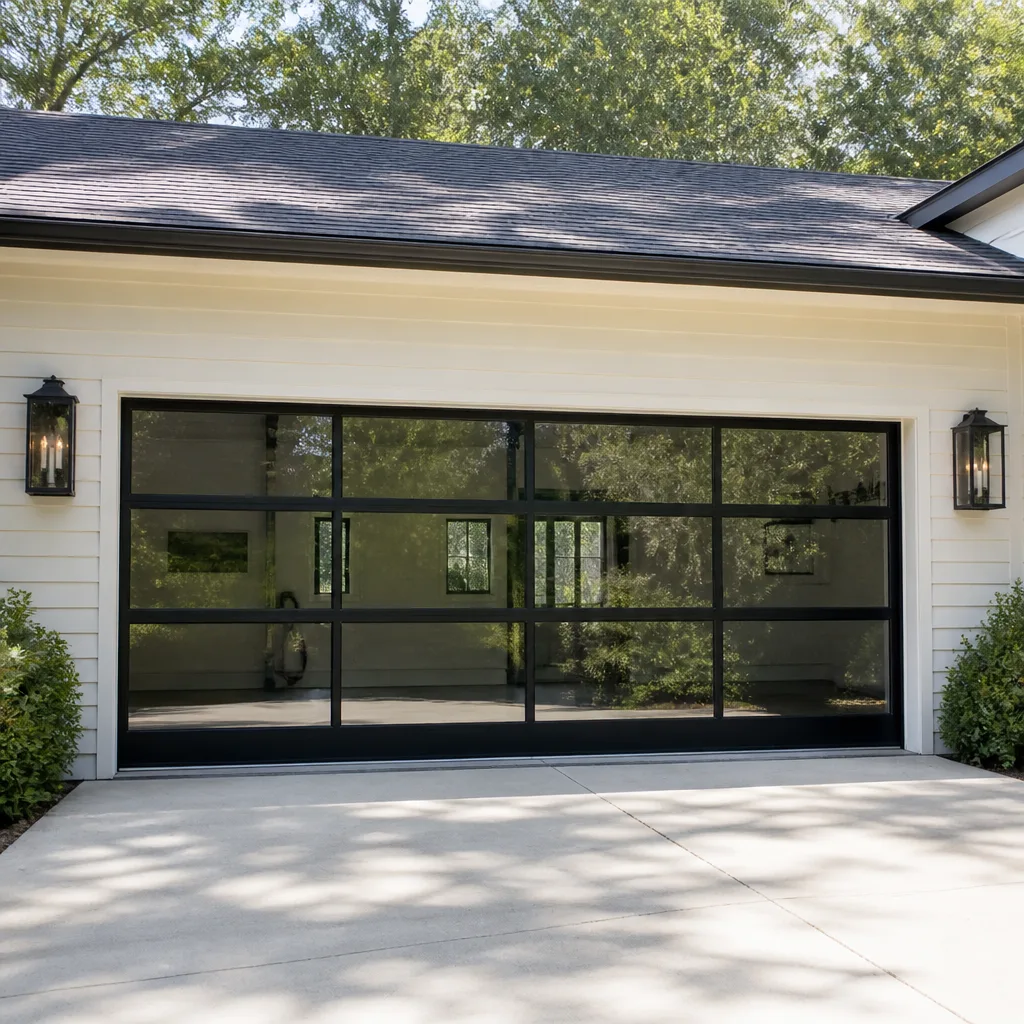 Full-view glass
 LiftMaster openers
 Chamberlain openers
Full 25-point door and opener safety check with every visit - springs, cables, rollers, tracks, and your LiftMaster or Chamberlain opener included
You get a price before we start. It does not change when the pro arrives.
Get your free estimateGarage Door Warning Signs: A Silver Spring Homeowner’s Reference Guide
A door that hesitates for two seconds before it opens is rarely an opener problem. Nine times out of ten it’s a torsion spring that’s lost tension, and the motor is grinding away doing work the spring should be doing. Homeowners replace the opener, the hesitation stays, and now they’ve paid twice. The warning signs a garage door gives you are almost always real, but they rarely point at the part you’d guess. This guide teaches you pattern recognition rather than a checklist, so when something changes about your door in Silver Spring you know which component is actually talking to you, and how urgently you need to act.
Quick Answer
The warning signs that matter most are a door that reverses before closing, a door that won’t stay up when you disengage the opener at the halfway point, a snapping or popping sound, and visible gaps or sagging panels. Noises and slowness usually trace back to springs or tracks, not the opener. A door that reverses, falls, or comes off its track needs to be taken out of service and looked at by a technician before anyone uses it again.
Styles & brands we work with
- Raised-panel steel
- Carriage house
- Modern flush
- Full-view glass
- LiftMaster openers
- Chamberlain openers
Table of Contents
- Read the Pattern, Not the Symptom
- The Symptom-to-Component Diagnostic Matrix
- The 30-Second Balance Test
- Annoying but Safe vs. Stop Using the Door Now
- Silver Spring Humidity, Wood, and Binding Tracks
- The Electronic Side: Opener Warning Signs
- When the Whole System Needs a Look, Not One Part
- What Changes by Neighborhood and Season
Read the Pattern, Not the Symptom
A symptom is a noise, a wobble, a pause, a light that won’t stop blinking. A component is the part actually failing. The gap between the two is where most wasted money lives, because the symptom is loud and the component is quiet. A grinding sound coming from above your head when the door moves is easy to hear. But grinding can come from a dry opener rail, worn nylon rollers, or a torsion spring that’s already broken and letting the door weight hang on the opener. Same sound, three different fixes, three very different prices.
We’ve watched homeowners in Silver Spring spend real money replacing a perfectly healthy opener because the door opened slow. The truth is, a slow door usually means the door is heavy. Modern openers are built to lift a balanced door with a little pressure, not to muscle up an unbalanced one for years. When a spring loses tension, the door weight goes up, and the motor has to compensate for every cycle. Something starts to give: the gear, the capacitor, or the opener itself, and only then does it look like an opener failure.
The way to break the cycle is to describe the symptom in detail before you decide what to replace. Ask yourself five questions every time something changes:
- Where is the sound coming from? Above the door (springs and torsion shaft), at the sides (tracks and rollers), or at the opener unit itself (motor, gear, rail)?
- When does it happen? At the very start, halfway up, at the top, or only on the way down?
- Does it happen every cycle or only some?
- Does the door look level when it’s half-open?
- Has the season changed recently, or has the door been rained on?
Those five answers narrow the failing part faster than any brand of opener sticker can. Silver Spring doors see a wide range of equipment, so once you know the component, you can match it to the brand: a Raynor spring is not a Wayne Dalton spring, and a Craftsman opener won’t be diagnosed the way a LiftMaster unit is. We handle all four of those and more under one call, so the diagnosis and the repair stay with the same technician who found the problem.
The Symptom-to-Component Diagnostic Matrix
This is the heart of the guide. Match what you see, hear, or feel to the part most likely failing, then use the third column to gauge how soon to act. It’s not a guarantee, because a technician still needs to confirm on-site, but it gets you in the right neighborhood.
| Symptom | Most Likely Component | Urgency |
|---|---|---|
| Door hesitates 1-3 seconds before moving | Loose or worn torsion spring; opener compensating | Moderate: schedule a look |
| Loud snap or bang from above the door | Broken torsion spring | Stop using the door immediately |
| Door opens partway, stops, reverses | Sensor alignment, track pinch, or spring tension | Stop using the door until checked |
| Grinding noise at the opener head | Worn gear, dry rail, or failing motor | Moderate; will get worse |
| Squeaking or squealing while moving | Dry rollers, hinges, or bearings | Low; lubricate or service |
| Door sags at one top corner | Cable off its drum, broken spring, or bent track | Stop using the door immediately |
| Bottom of door catches on the threshold | Worn bottom seal, bent track end, or settling floor | Low; fix before it tears |
| Door looks tilted when half-open | Uneven spring tension, cable problem, or loose panel | Stop using the door until checked |
| Opener light flashes, door won’t respond | Safety sensor, limit setting, or logic board | Moderate; often a simple fix |
| Door won’t stay open when disengaged | Fully relaxed spring | Stop using the door; spring will fail soon |
Print the matrix, tape it inside the garage, and use it when you notice something. The single biggest mistake we see is treating a “stop using” symptom as a “schedule a look” symptom and running the door for weeks. A door that sags, reverses, or snaps is a door that’s actively failing. Springs and cables are under high tension and can cause serious injury, so we strongly advise keeping hands, tools, and the whole family away from them and calling a trained technician. garage door spring repair is a standing service for us for exactly this reason: it’s the most technically demanding repair on the system, and it’s rarely a homeowner job.
The 30-Second Balance Test
The simplest way to catch spring wear before any bigger symptom shows up is the balance test. It’s easy, safe enough to do with your hands, and it tells you more about your door’s health than a visual inspection will. Do it the same way every month or two, and do it after any big temperature swing.
- Close the garage door completely and make sure no one is near the tracks or under the door.
- Pull the red emergency release handle to disconnect the opener. The door is now manual.
- Lift the door by hand to about waist height (roughly halfway up) and let go.
- It should stay put or drift no more than a few inches. A door that drops on its own is unbalanced.
- Lower the door, re-engage the release, and run it with the opener once to confirm everything’s back to normal.
A door that won’t stay at the halfway point is telling you its springs have lost tension, even if the door still opens and closes fine with the opener. This is the earliest, quietest warning sign on the whole system, and it shows up months before the door hesitates or the opener starts grinding. Catching it here gets you a scheduled repair instead of an emergency call. If your door drops during this test, don’t run it manually again; call a technician and let them evaluate the springs.
One caution. The balance test involves lifting a heavy door by hand, so skip it if the door is already visibly sagging, if you’ve heard a snap, or if a cable looks slack. In those cases, the door is in the “stop using” column and the balance test isn’t safe to run.
Annoying but Safe vs. Stop Using the Door Now
Not every warning sign means the same thing. Some are cosmetic or will get expensive if ignored; others mean the door is unsafe right now. Knowing the difference keeps you from panicking over a squeak while still moving quickly on the real problems.
Annoying but safe to use while you arrange a repair:
- Squeaking or squealing during travel (usually lubrication or worn rollers).
- A slow start with an otherwise normal cycle (often early spring wear; get it looked at soon).
- A small wobble at the top of the door that doesn’t change much with each cycle.
- A bottom seal that’s torn or hardened but the door still closes and seals.
- A keypad or remote that intermittently doesn’t work but the wall button still does.
Stop using the door now and call a technician:
- Any loud snap, bang, or pop from above the door, followed by a heavier door.
- A door that reverses before closing even though nothing is in the path.
- A door that sags at one corner or doesn’t hang level.
- A cable that looks slack, kinked, or off its drum.
- Visible gaps between hinges, bent tracks, or a door that comes off one track.
- A door that won’t stay up when you disconnect the opener at the halfway point.
In Silver Spring, homes with the garage treated as a primary entry are the ones where a “mid-level” problem gets used eight times a day instead of once. If your door is your main way in and out, treat the border cases as “stop using” until a technician confirms otherwise. When a door is stuck open, sagging, or unsecured, our garage door repair gets out to evaluate quickly. Emergencies are a core part of what we do, not a special case.
Silver Spring Humidity, Wood, and Binding Tracks
Silver Spring humidity has a way of changing the door subtly as the seasons move. A door that runs smooth in autumn can bind in a wet July, then run smooth again in October. The change is real, and the part responsible is often not the part making the noise.
Wooden doors and wooden frame jambs absorb moisture in the wet season and swell. When a jamb or a door stile swells a fraction of an inch, it can rub against the track, which makes the door feel heavier. The motor compensates, and soon you’re hearing what sounds like a motor strain that’s actually a friction problem. Panels on many current doors, including several Amarr and Wayne Dalton models, are built to stay dimensionally stable in humidity, so the swelling pattern you see depends on what your door is made of and how it was installed. If your door has decorative trim or wood elements, watch for binding that only shows up in summer and clears in winter. That’s a classic humidity-driven symptom.
Track misalignment produces a different pattern, and the difference matters:
- Humidity swelling: binding is worse in wet weather, better in dry; the door may reseal itself for weeks then bind again.
- Track misalignment: binding is consistent year-round; you may see a track that’s slightly crooked or a roller that doesn’t sit flush.
- Both at once: in older Silver Spring garages, a slightly out-of-square frame plus a swelling door can show up as intermittent binding that fools everyone.
A technician can tell the two apart in five minutes with a level and a gap check at the roller. If you’ve tried lubricating the tracks and the door still binds in humid months, the fix is usually track adjustment or panel work, not more oil. That’s a spot where a generic repair call wastes a trip: brand-familiar techs work on the equipment you already have, and they read the season as data.
The Electronic Side: Opener Warning Signs
The opener is the most-misdiagnosed part on the whole system. Most opener faults announce themselves with specific, repeatable behaviors, and most door faults imitate them well enough to confuse a homeowner on a slow afternoon. Here’s how to tell them apart.
Likely an opener problem:
- The door runs fine manually but won’t run from the opener, or the opener light blinks in a pattern.
- The wall button works but the remote and keypad don’t (or the reverse).
- The opener strains or hums but the door doesn’t move, even when you disconnect it first.
- The door stops at the exact same height every time, in either direction.
Likely a door problem that’s making the opener look bad:
- The door runs slower than it used to, then stalls near the top (spring tension or door weight).
- The door reverses at random, especially near the bottom (sensor, or a warp or debris the sensor sees).
- The motor runs hot or cuts out after several cycles (opener working too hard to lift a heavy door).
- Grinding from the opener head that changes when you disconnect the door (opener gear, sometimes driven by heavy door weight).
We repair openers across the major residential brands, including LiftMaster, Chamberlain, Genie, and Craftsman, and we’re careful about calling the opener faulty until we’ve disconnected the door and confirmed the door is balanced. This one step is why garage door opener repair so often ends with spring work instead of a new opener. If you’re not sure which side of the ledger your symptom falls on, describe the sound, the timing, and whether the door runs smoothly when disconnected; that’s enough to point us in the right direction.
When the Whole System Needs a Look, Not One Part
There’s a second category of call we see often in Silver Spring: the door where the small symptoms stack up. A slow start here, a squeak there, a bottom seal that’s torn, a light that flickers, a remote that misses once a week. No single item is alarming. Together they say the whole mechanical and electronic system is drifting out of spec, and replacing one piece won’t fix the pattern.
Signs it’s time for a full-system evaluation:
- The door has two or more symptoms from the matrix at once, even if all are mild.
- You’ve replaced or repaired one part and a different symptom appeared within a month.
- The door is noisy, slow, and uneven at the same time.
- The door, opener, and hardware have been running together a long time without any service.
- You’re considering any large repair or replacement, since the price of a full evaluation is the same as getting one part wrong.
A full-system look means the technician tests the door balance, checks the springs and cables, inspects the tracks and rollers, and cycles the opener through a full run while watching the sensors and limit settings. It’s the same visit and the same written estimate, just with the whole system in view. In our experience, this is where most of the honest answers live. A door that needs a spring and a track adjustment doesn’t need a new opener, and a door that needs a new opener doesn’t usually need a brand you didn’t ask for. Silver Spring Garage Door Repair covers springs, openers, and panels together, so the technician who diagnoses the door is the one who fixes it.
What Changes by Neighborhood and Season
Silver Spring isn’t one uniform place, and the warning signs you see depend a little on where you live and how your garage was built. A few local patterns matter when you’re reading your door’s behavior.
In older neighborhoods closer to downtown Silver Spring, garages tend to be attached, low-ceilinged, and built with wood framing and older track hardware. Doors here often show binding and rubbing before a spring ever fails, because the structure moves with the seasons and the tight clearances amplify it. In newer construction further out, you’re more likely to see doors on longer openers, safety sensor setups that need retesting, and higher-cycle openers that run a lot if the garage is a main entry. In the wooded parts of the county, fallen leaves and small debris in the tracks are a real cause of “the door reverses randomly,” and a quick track clean is often the whole fix.
The Silver Spring seasons drive three predictable patterns:
- Wet spring and summer: swelling wood causes binding, and worn bearings squeak more in humidity.
- Cold snaps: metal and grease both change; older springs are more brittle, and doors can sag first thing in the morning.
- First dry week after a wet stretch: doors that had been binding quiet down, and hidden issues show up again elsewhere.
Whatever your door’s pattern, a printed matrix plus the balance test catches most problems weeks before the door actually stops working. That’s the whole point of a reference guide like this: fewer surprises, fewer wasted repairs, and a door that keeps opening so you can get back inside safely.
Common Mistakes to Avoid
- Replacing the opener before checking the door. Most slow and struggling openers are actually straining to lift a heavy door. Disconnecting the door is the first diagnostic step, not a new opener.
- Treating spring and cable work as a homeowner job. Torsion springs and cables are under very high tension and can cause serious injury if handled wrong. A trained technician with the right tools is the only safe route.
- Running the door for weeks on a “will it fix itself” basis. A sagging door, a snapping noise, or a door that won’t stay up is actively failing. Every cycle adds wear to the parts that haven’t broken yet.
- Buying a battery or a new remote to fix a sensor issue. A blinking light usually means a misaligned or dirty sensor, not a dead remote. The sensor is a two-minute adjustment, the remote is a wasted purchase.
- Assuming a noisy door is a roller problem. In Silver Spring, a grinding noise is often track friction or a straining opener on a heavy door. Lubrication helps only if the rubbing isn’t swelling wood or a bent track.
- Skipping the balance test in humid months. Humidity swelling can balance-pretend the door is fine. Run the test after a wet week and again on a dry one to spot the trend.
- Not mentioning your brand when you call. A technician who already knows your door’s manufacturer spends the visit confirming the problem rather than identifying the equipment. Tell us the brand up front, whether it’s Amarr, Raynor, or something else.
See the difference
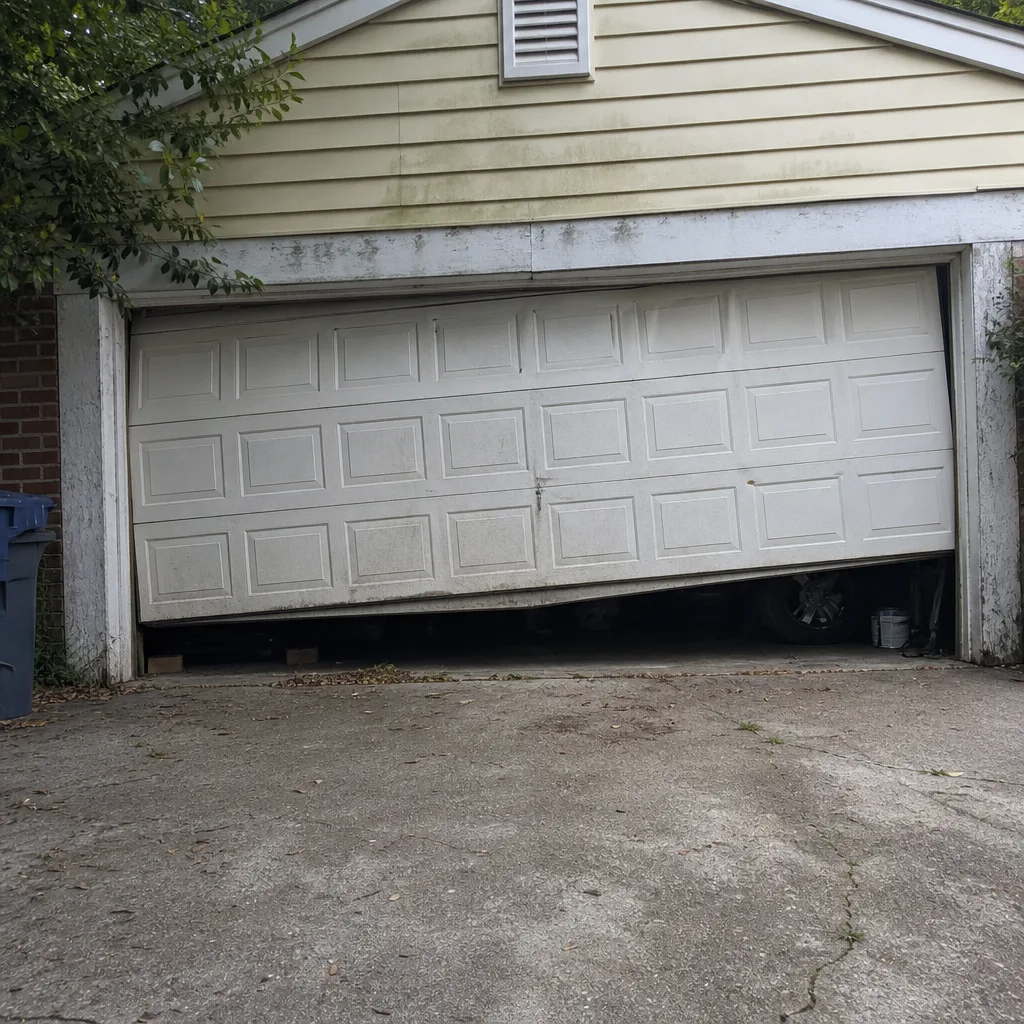 Before
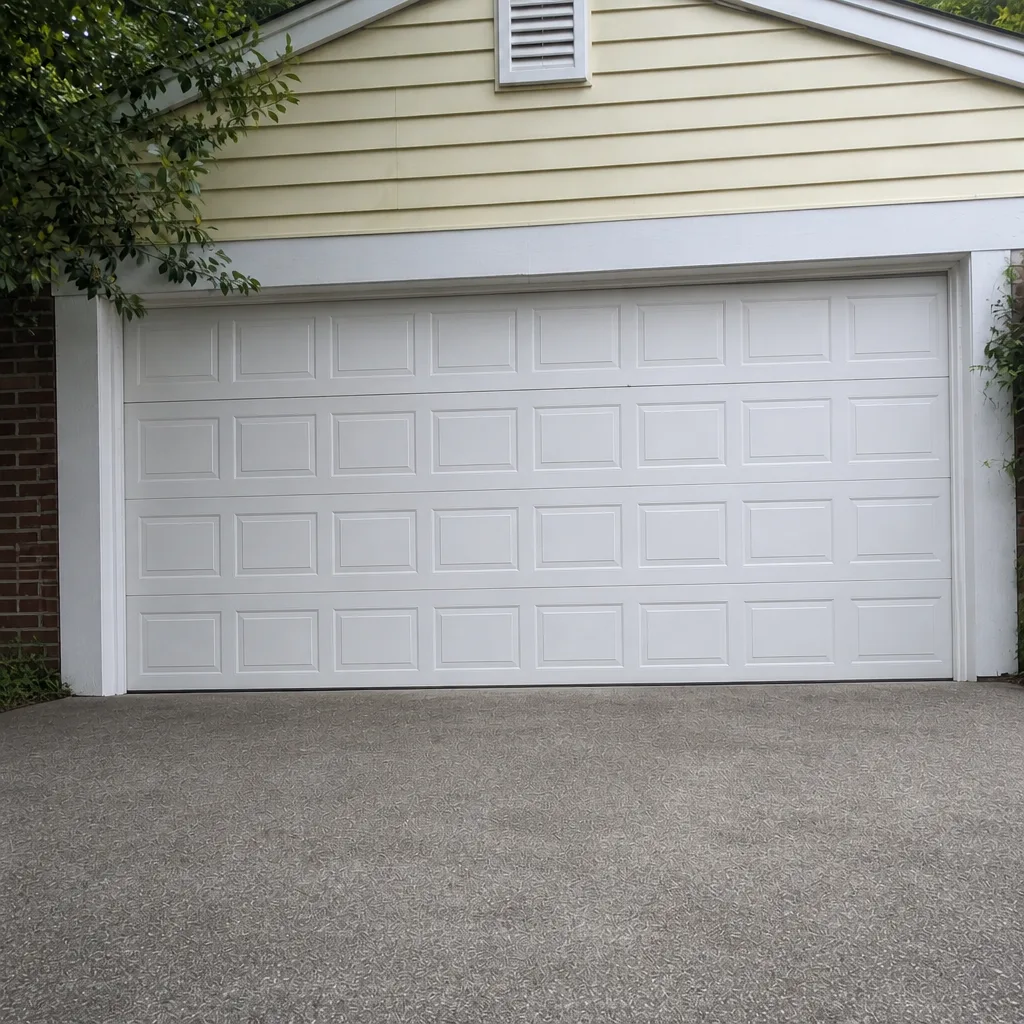 After
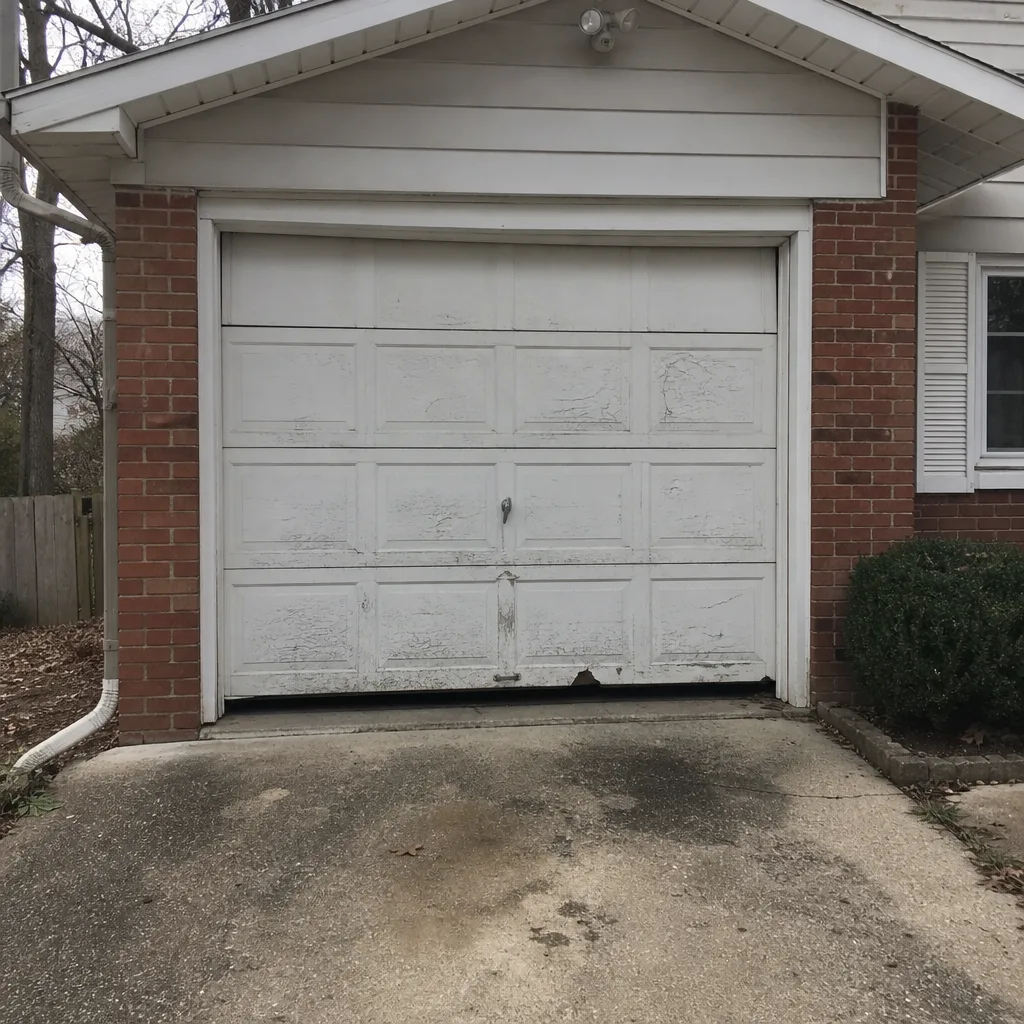 Before
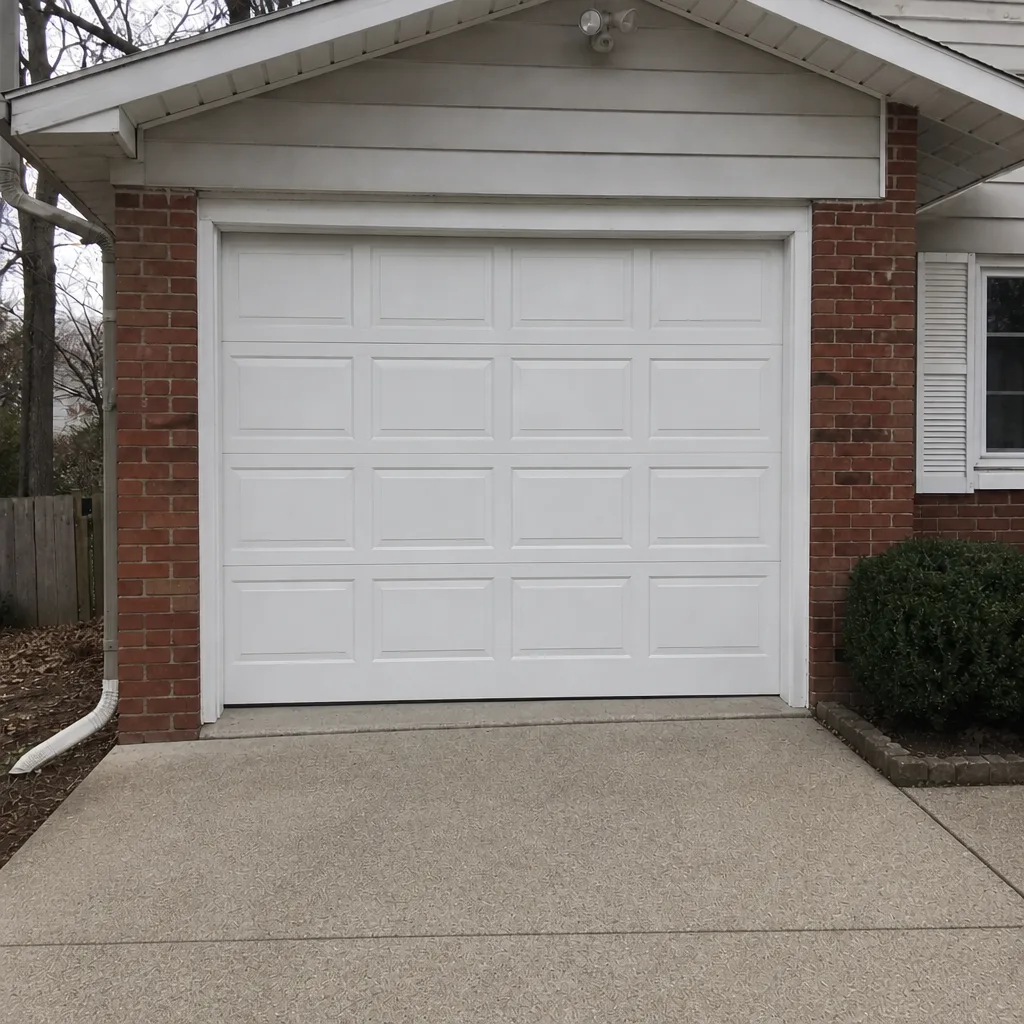 After
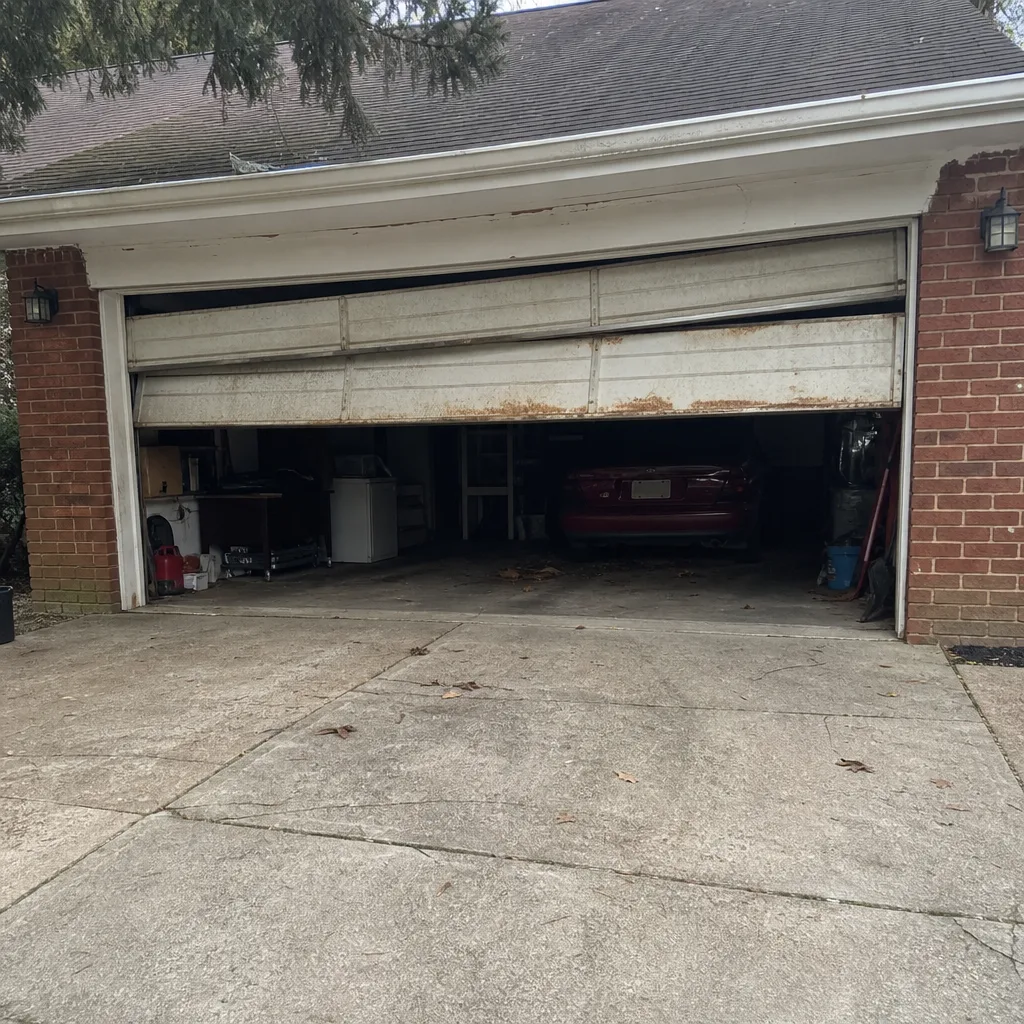 Before
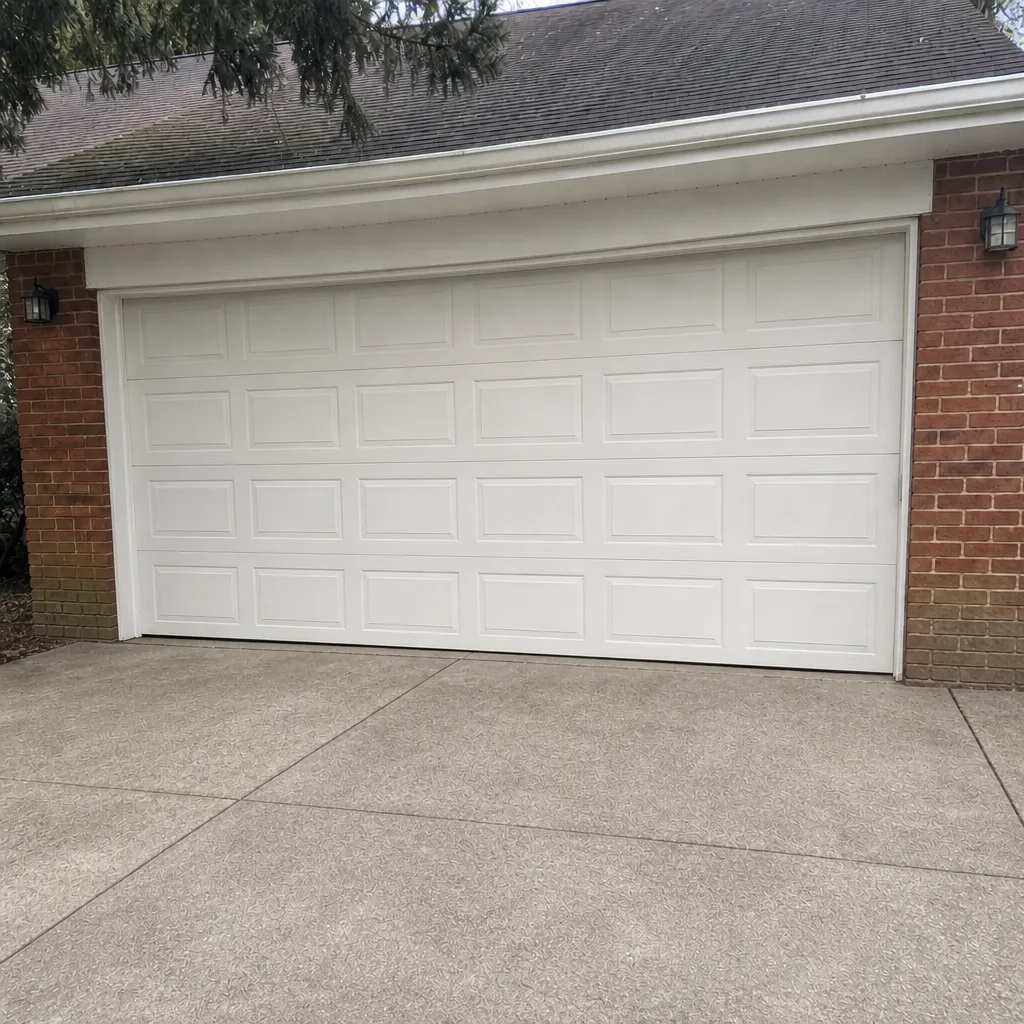 After
When to Call a Professional
Call a professional when the warning sign is on the “stop using” list, when the balance test shows a door that won’t stay put, when you hear a snap or bang from above the door, or when you’re seeing more than two symptoms at the same time. Call when the door reverses on its own, sags at one corner, loses a cable, or comes off a track. Call before you drill, lubricate, or adjust anything on a spring or cable, and call before you buy a new opener because the door is slow. A trained technician can confirm the component in one visit and give you a written estimate before any work begins. Silver Spring Garage Door Repair offers free estimates in Silver Spring, and our technicians have up to 8 years of experience across the major residential brands. Call (877) 357-8434. We answer 24/7. Fast dispatch from 7am to 7pm, Sunday through Friday.
Frequently Asked Questions
No. A hesitation is a warning sign, usually of a torsion spring that’s lost tension and is forcing the opener to compensate. It rarely points to a worn opener, and replacing the opener will only temporarily mask the problem. Call (877) 357-8434 for a free estimate so a technician can confirm the spring before you spend money on the wrong part.
A broken spring usually announces itself with a loud snap or bang, and the door becomes very heavy or won’t move at all. A worn spring is quieter: the door hesitates, runs slow, or won’t stay up at the halfway point of the balance test. Either way, have a trained technician look at it, since springs are under high tension and shouldn’t be touched by a homeowner.
Sometimes yes, but it depends on the noise. Squeaks and mild rattles are safe to run while you schedule a service. Grinding, snapping, or a door that sags or reverses is not. In Silver Spring, humidity-driven swelling can creep into the tracks fast, so get a noise that comes with binding or slowdown checked rather than waiting.
The most common cause is a misaligned or dirty safety sensor, but a bent track, a warped panel, or a binding issue can trigger the same behavior. A door that reverses is not safe to leave running repeatedly; the sensor and the door need to be checked in person. Call (877) 357-8434 and we’ll come out to identify the cause.
Every couple of months is a good rhythm, and after any significant temperature or humidity swing. In Silver Spring that means extra checks after a long wet stretch and after the first cold snap. The test takes 30 seconds and catches spring wear before the door gives you a bigger symptom.
Yes. We work on LiftMaster, Chamberlain, Genie, Clopay, Amarr, Wayne Dalton, Craftsman, and Raynor equipment, and we handle the whole system on one call: springs, panels, opener, and track. That means you don’t need a separate call for the opener and another for the door. Call (877) 357-8434 for a free estimate.
The Bottom Line
A garage door’s warning signs are almost always honest, but they rarely point at the obvious part. Hesitation means a spring, not an opener. Grinding usually means friction or weight, not worn rollers. Squeaking can be safe, but sagging, snapping, or reversing is not. Run the 30-second balance test regularly, keep the symptom-to-component matrix nearby, and treat humidity-driven binding in Silver Spring as its own signal rather than a roller problem. When the signs stack up, call a technician before you buy a part, and make sure the written estimate is agreed before any work starts. Get back inside safely.
Call (877) 357-8434 for a free estimate. We answer 24/7. Fast dispatch from 7am to 7pm, Sunday through Friday.
Written by the team at Silver Spring Garage Door Repair.