
Last updated November 21, 2026
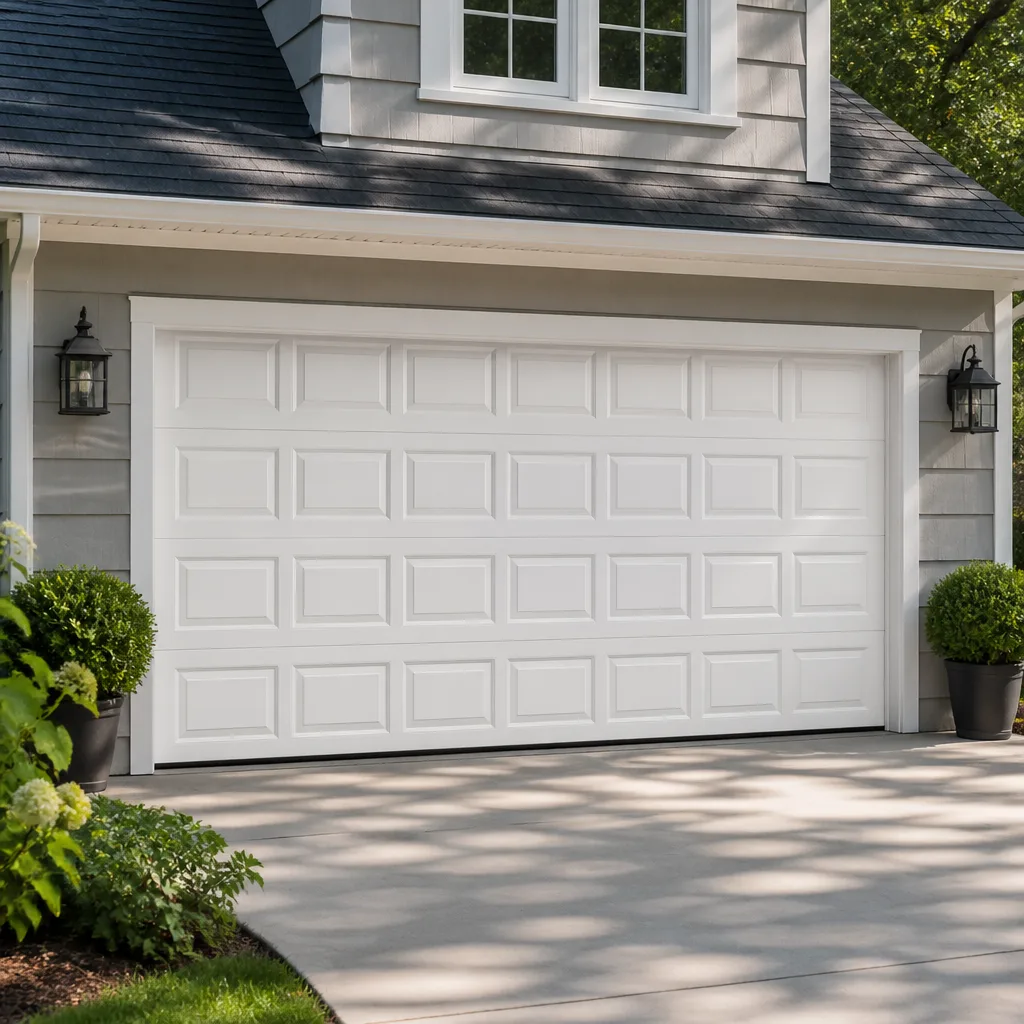 Raised-panel steel
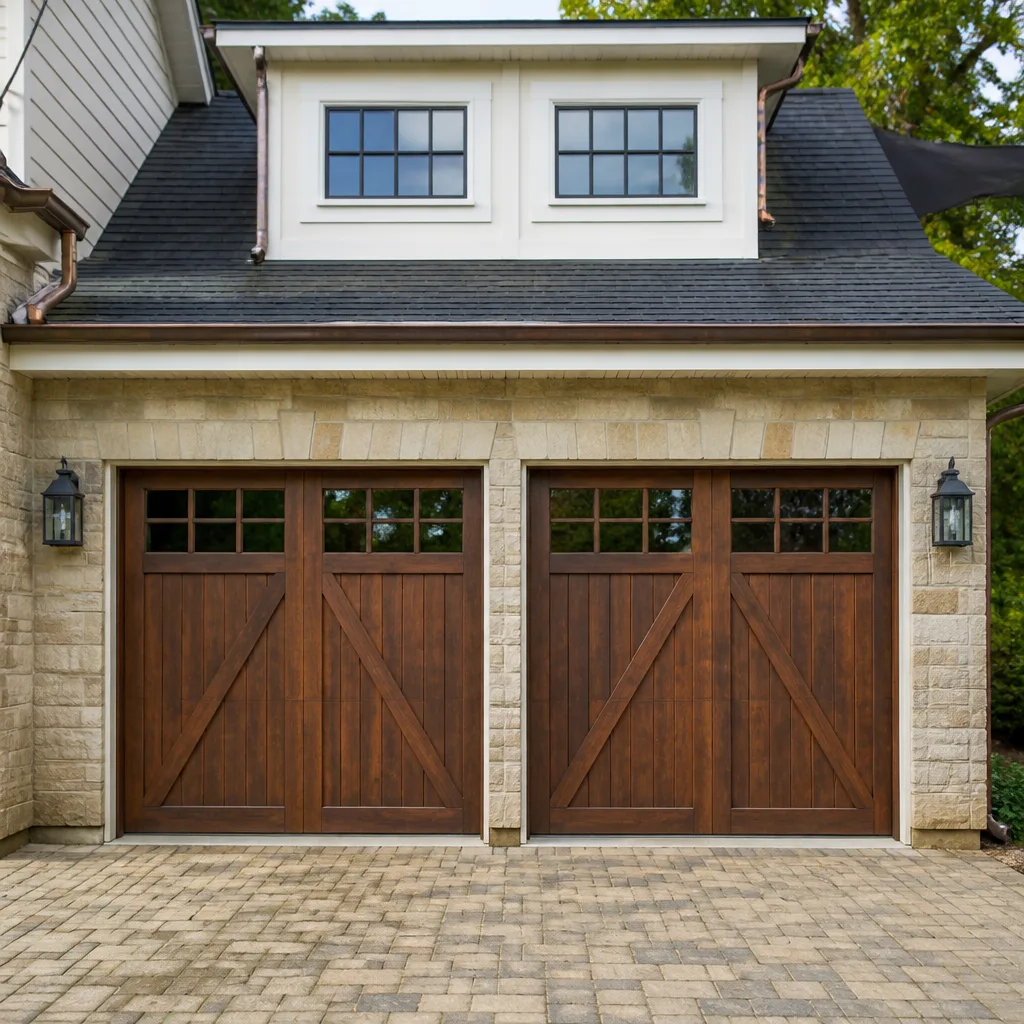 Carriage house
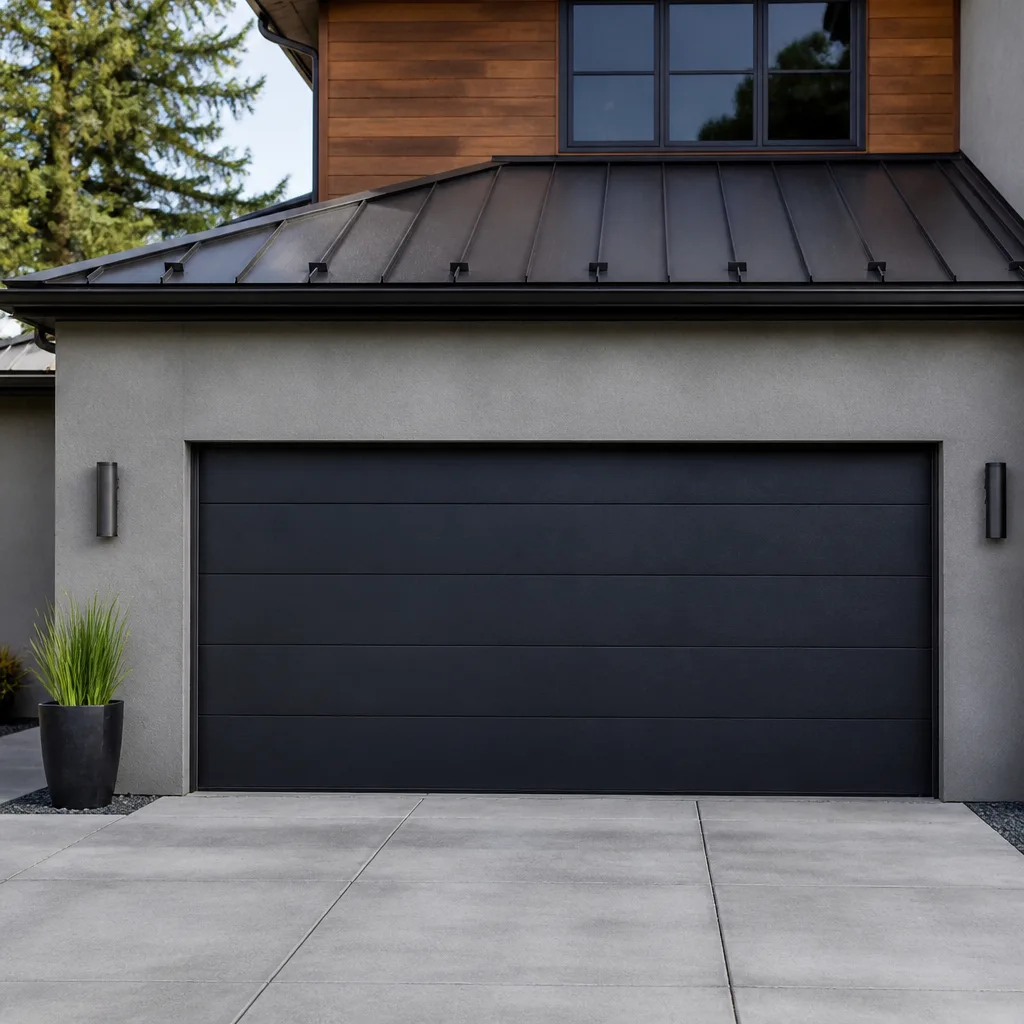 Modern flush
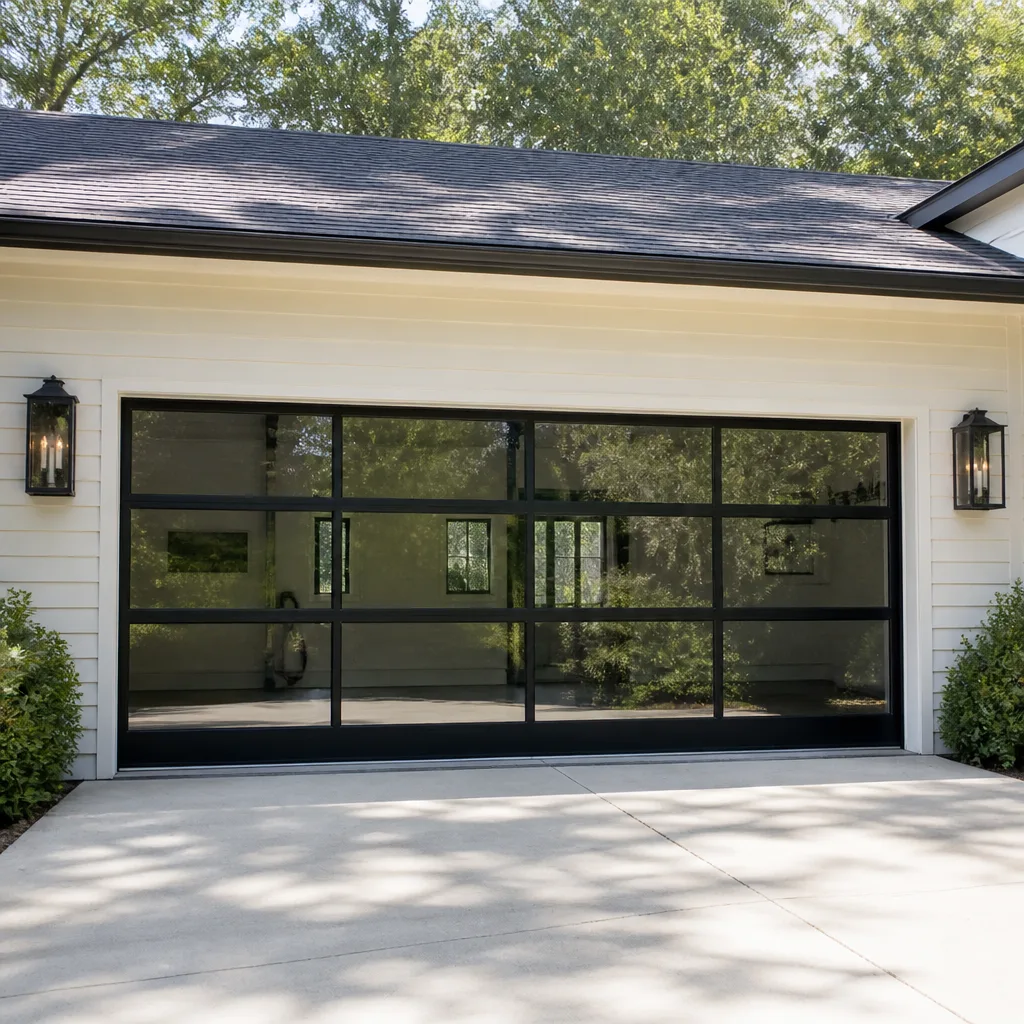 Full-view glass
 LiftMaster openers
 Chamberlain openers
Full 25-point door and opener safety check with every visit - springs, cables, rollers, tracks, and your LiftMaster or Chamberlain opener included
You get a price before we start. It does not change when the pro arrives.
Get your free estimateGarage Door Repair Troubleshooting in Silver Spring: Common Problems and How to Fix Them
A door that stops halfway up has a different root cause than a door that won’t start at all, but most troubleshooting advice treats them identically. That’s why homeowners either over-fix or under-fix the problem. A garage door is a system with three moving parts that matter: the springs that carry the weight, the opener that provides the push, and the panels and tracks that keep everything aligned. When you read the door’s behavior before you pick up the phone, you describe the problem accurately, you avoid paying for a diagnosis you could have made yourself, and you know which repairs are safe to touch and which ones can hurt you. This guide walks through that framework for Silver Spring homeowners, using the symptoms your door actually shows.
Quick Answer
Most garage door problems trace to one of three components: the springs (the door feels impossibly heavy or slams down), the opener (the motor runs but nothing moves, or the door reverses right after starting), or the panels and tracks (the door binds, scrapes, or opens crooked). Match the symptom to the component before you call, and you’ll get a faster, more accurate repair. Anything involving springs or cables should go straight to a technician; the rest you can often diagnose safely yourself.
Styles & brands we work with
- Raised-panel steel
- Carriage house
- Modern flush
- Full-view glass
- LiftMaster openers
- Chamberlain openers
Table of Contents
- A Behavior-Based Diagnostic Framework
- How to Read Your Door Like a Technician
- The Silver Spring Seasonal Variable
- What You Can Safely Adjust Yourself
- What Requires a Technician
- Is It the Opener, the Spring, or the Panels?
- Common Misdiagnoses
- What Garage Door Repair Costs in Silver Spring
A Behavior-Based Diagnostic Framework
Before you look at a single part, watch what the door does. Behavior tells you more than a visual inspection, because the same physical failure produces very different motion depending on which component gave out. Here’s how we map symptoms to likely causes. Use this as your first stop.
- Door reverses immediately after touching the floor. Usually a sensor or travel-limit issue, not a spring. The opener thinks it hit an obstruction.
- Door grinds, but doesn’t move. Often a stripped gear inside the opener or a broken trolley connection. The motor runs, but the drive isn’t transferring.
- Door opens crooked, one side lags behind. Typically a snapped or stretched cable on one side, or a bent track. Do not force it.
- Opener runs, door stays down. The trolley is likely disconnected, or the opener’s drive gear is worn out.
- Door is heavy to lift by hand and won’t stay up. Springs are the culprit. This is a technician-only repair.
- Door slams down hard on close. Spring tension is failing, or the opener’s down-limit is set too far.
- Loud bang from the garage, door won’t open. A spring has snapped. Stop using the door.
Each of these maps to a different repair and a different safety profile. A crooked door isn’t the same emergency as a snapped spring, but forcing either one can make things worse. When you call Silver Spring Garage Door Repair, describing the behavior gets you a technician who already knows where to look.
How to Read Your Door Like a Technician
Before any tool comes out, a technician stands back, listens, and watches. You can do the same. The trick is doing it in stages, from the simplest check to the most involved, so you rule things out in the right order.
Stage 1: Watch and listen
Stand back and run the door. Does the motor hum but nothing move? Does the door start and stop? Does it bang at the end of travel? Where in the cycle does it fail? Note whether the failure happens at the same point every time or varies, because a consistent stop point points to limits or sensors, while random stops often point to the opener’s logic board or a loose connection.
Stage 2: Check the safety sensors
Look at the two small lenses at the bottom of the tracks. If either indicator light is off or flickering, the door won’t close, or it will reverse immediately. A cobweb, a bumped sensor, or a misaligned bracket is behind most of these. Wipe the lenses and check that both are aimed at each other.
Stage 3: The manual release test
Pull the red release cord to disconnect the opener, then lift the door by hand about halfway. A door in good condition lifts with moderate effort and stays put when you let go. If it’s too heavy to lift, or it drops, the springs are the problem. If it moves smoothly but the opener still won’t run it, the issue is on the opener side. Push the door back down, reconnect the trolley, and note what you felt.
Stage 4: Visual inspection of tracks and panels
Look down the length of each track. Bends, dents, or debris lodged in the track will cause the door to bind. Hinges and rollers with visible wear matter less than alignment. If a panel is cracked or a hinge is bent, that’s a repair to book, not force.
If you’ve read the door through these four stages, you know which component failed. That’s the whole point. You can now describe the problem in one sentence, and you’ve ruled out the cheap fixes before calling.
The Silver Spring Seasonal Variable
Garage doors in Silver Spring get worked hard by the weather. You get humid summers that push humidity into garages and dry out wood framing, and you get hard freezes in winter that make steel contract and stiffen lubricant. Those swings change how the door behaves, and a repair that made sense in July might be the wrong call in January.
Summer humidity and heat
In a humid Silver Spring summer, wooden door panels can swell and bind slightly in their tracks. Metal tracks can expand and shift, which throws off alignment by a fraction of an inch, enough to make rollers scrape. Humidity also darkens hinges and rollers, and if you haven’t lubricated in a while, the door gets noisier. None of this is a failure by itself, but it’s why doors sometimes “act up” in July without an obvious cause.
Winter freeze effects
When temperatures drop, spring steel gets brisker. A spring that was near the end of its fatigue cycle is more likely to break during a cold snap than on a mild day, which is why most snapped springs happen in winter. Lubricant stiffens, so the door moves sluggishly. Weatherstripping and seals harden and pull away from the frame.
Why this matters for diagnosis
If your door struggled to close in February and feels fine in April, the spring didn’t heal itself, it just got a break from the cold. A sluggish door in mid-January is more likely to be a tired spring or stiff lubricant than a dead opener. In Silver Spring, we see more spring failure calls in the coldest weeks than any other time, and it usually traces back to a component that was already on its way out. Don’t assume the problem “went away” when the weather warms, because it usually returns the next cold spell.
What You Can Safely Adjust Yourself
Some of the most common garage door problems don’t need a technician at all. They’re safe to handle yourself, and fixing them saves you a service call. Here’s what’s within reach.
- Realign or clean the safety sensors. Wipe the lenses, check that both indicator lights are solid, and nudge the brackets until they face each other. This fixes a surprising number of “door won’t close” complaints.
- Adjust the travel limits. If the door reverses before touching the floor or stops short, the down-limit is set too shallow. On most openers there’s a set of limit screws or buttons on the back of the motor housing. Make small adjustments, one at a time, and test.
- Adjust the force setting. If the door reverses on closing for no clear reason, the force setting may be too sensitive. Raise it slowly and test. If the door reverses because of an obstruction, address the obstruction first.
- Lubricate the moving parts. A garage door has hinges, rollers, and a torsion or extension spring assembly. A lubricant spray on the hinge points and roller bearings cuts noise and drag. Do not lubricate the tracks; that attracts dirt.
- Reconnect a disconnected trolley. If the opener ran but the door didn’t move, the manual release was probably pulled. Push the trolley back toward the opener until it clicks into the carrier, then run the door.
- Tighten loose hardware. A rattle or squeak on a door that isn’t otherwise misbehaving is often a loose hinge bolt or track bracket. A socket wrench fixes it in a minute.
Replacing the battery in a Craftsman or Chamberlain remote, reprogramming a keypad, and resetting a Wi-Fi opener are also safe to do yourself, and the manual for your model walks through it. If you’ve lost the manual, the model number is usually on the back of the motor housing.
What Requires a Technician
Springs and cables are the parts of a garage door that can seriously injure you, and they’re the parts you should never touch. A torsion spring is under hundreds of pounds of tension. When it releases, it doesn’t give you a warning. The same goes for the cable that runs alongside it, because a slack or snapped cable can whip across the garage. We can’t overstate this: if you’re unsure whether a part is spring or cable, treat it as both and call.
- Spring replacement. Torsion and extension springs require the correct wire gauge, matched pair, and winding bars to install safely. Winding a torsion spring by hand or with the wrong tools is how people lose fingers.
- Cable replacement. Even more dangerous than springs, because a cable under tension can snap back unpredictably. Always a technician job.
- Panel replacement. A cracked or dented panel on a modern door, including Clopay, Amarr, Wayne Dalton and Raynor, affects balance. We match the panel to your model so the door stays in line and the weight stays consistent.
- Track straightening. A bent track has to be brought back square, and that affects the door’s entire travel. Doing it in place can crack a panel or damage a roller.
- Opener replacement or logic-board repair. Beyond the basic reset and force adjustments, opener internals are worth a professional look, especially LiftMaster and Chamberlain units with battery backup and Wi-Fi modules.
- Hinge and roller replacement on a high-cycle door. If the hinges are worn and the door has seen heavy use, replacing them one by one throws off alignment. A technician does them together.
- Anything that involves lifting the door by hand when it won’t stay up. That’s a spring job, and it means the door is unbalanced. Stop using the door and call.
If you’re not sure whether a symptom falls on the safe side, that’s a call, not a guess. We answer 24/7, and we’ll tell you straight if it’s a job you can handle yourself.
Is It the Opener, the Spring, or the Panels?
The single most useful thing you can do before calling is narrow down which of the three components is failing. Here’s the test sequence we use, in the order it actually saves time.
- Run the opener with the door connected. Listen to the motor. If it hums and the door doesn’t move, note whether the chain or belt is moving. A moving chain with no door movement points to a disconnected trolley. A motionless chain with a humming motor points to a stripped gear or a dead opener.
- Pull the release cord and lift the door by hand. If the door is heavy or won’t stay up, the springs are failing. If it’s smooth and stays up, the springs are fine and the opener is the suspect.
- Watch the door travel on a test cycle. If it binds or leans to one side during its travel, the tracks or panels are involved. This is a door-side repair, not an opener-side one.
- Test the safety sensors and the wall control. If the opener runs from the wall control but not the remote, the problem is the remote or the receiver. If it runs from neither, the logic board or wiring is the issue.
Ninety percent of complaints we get in Silver Spring resolve in steps 1 and 2, because the door is either heavy (springs) or running without moving the door (trolley or gear). When you call, telling us which one you felt puts a technician on the right track from the first minute. Our technicians have up to 8 years of experience, and they’ve seen both scenarios hundreds of times, so you won’t be charged to discover what you already know.
Common Misdiagnoses
Here’s where homeowners and even some technicians go wrong. The symptom points to the wrong part if you don’t look at the whole system.
“The opener is dead.”
Often it isn’t. If the opener ran fine yesterday and today the door won’t move, check the trolley first. Someone may have bumped the red release cord, or it slipped on its own. Hit the wall control and look at the trolley assembly; if it’s not engaged with the carrier, reconnect it and run the door. Nine times out of ten, that “dead opener” comes back to life.
“The spring broke.”
Sometimes it’s a cable. The two look similar from a distance because both involve a bang, a heavy door, and a chaotic garage. The difference is what you see: a snapped spring has a clear gap in the coil or a loose winding bar, while a snapped cable shows a frayed end whipping free of the drum. Do not investigate beyond a visual glance. Either way it’s a technician job, but knowing which one it is changes the repair you’re told to expect.
“The sensor is broken.”
Usually it’s just disrupted. Sensors get bumped by a stray bag, caked with dust, or misaligned by a shifting track. The lenses themselves almost never fail. Before assuming a replacement, wipe, check the indicator lights, and confirm alignment.
“The door needs a new opener.”
If the door is heavy, no opener will lift it reliably. Replacing a perfectly good LiftMaster for a failing spring is throwing money at the wrong part. Test the door by hand first.
“The track is bent.”
Sometimes it’s a roller off its track. If a single roller has popped out, the door will look crooked but the track is intact. Replacing the roller and reseating it is a much cheaper fix than replacing the track.
What Garage Door Repair Costs in Silver Spring
Prices here are estimates only, and the written estimate you get on-site sets the final number. Repair costs vary with the part, the door size, and the model. Here’s what most Silver Spring homeowners see.
| Repair | Typical Estimated Range |
|---|---|
| Safety sensor realignment or replacement | $90 – $180 |
| Remote or keypad reprogramming | $80 – $150 |
| Trolley reconnection or adjustment | $100 – $175 |
| Roller or hinge replacement (per piece) | $25 – $60 |
| Track straightening | $150 – $350 |
| Opener repair (gear, logic board, receiver) | $175 – $425 |
| Opener replacement, installed | $400 – $750 |
| Single garage door spring, replaced | $180 – $340 |
| Matched spring pair, replaced | about double the single-spring price |
| Panel replacement (per panel) | $250 – $600 |
The price is quoted and agreed before any work starts. That’s the rule, whether it’s a basic sensor fix or a full spring replacement. Same-day service is available for repairs, and emergency garage door service is a standing part of what we do. If you’re not sure which line on that table applies, our garage door repair page walks through the same process. For spring-specific questions, garage door spring repair covers the matched-pair details. If the opener is the problem, garage door opener repair is the place to start. And when you’re ready for a free estimate, call (877) 357-8434.
Common Mistakes to Avoid
- Pulling the release cord with the door open, then letting it drop. That’s how doors come down on people. If you disconnect the opener, hold the door firmly until it’s fully closed.
- Forcing a crooked door up and down. The bind gets worse, panels crack, and what was a track adjustment becomes a panel replacement. In Silver Spring, humidity-swollen panels bind more often in summer, so if the door felt fine in spring and is dragging now, don’t force it.
- Lubricating the tracks. This is the first thing most homeowners try and the biggest mistake. Lubricant turns the track into a dust magnet, and the rollers slip and jam instead of rolling. Grease the hinges and roller bearings, not the rails.
- Replacing the opener when the door is heavy. If the springs are failing, a new opener won’t fix it and will wear out faster than the old one. Test the door by hand first.
- Assuming the problem “fixed itself” after a warm spell. In Silver Spring, a tired spring often returns to trouble the next cold snap in January. A door that stopped closing in February didn’t heal by April.
- Ignoring a small dent in a lower panel. On Clopay and Amarr doors, a dented panel can throw off the door’s balance, and balance problems eat springs. Have it looked at before the spring pays the price.
- Calling for a diagnosis when you haven’t checked the trolley or the sensors. These two account for most “dead door” calls, and both take under a minute to check. Testing first saves you a service call and gives you a sharper description when you do call.
See the difference
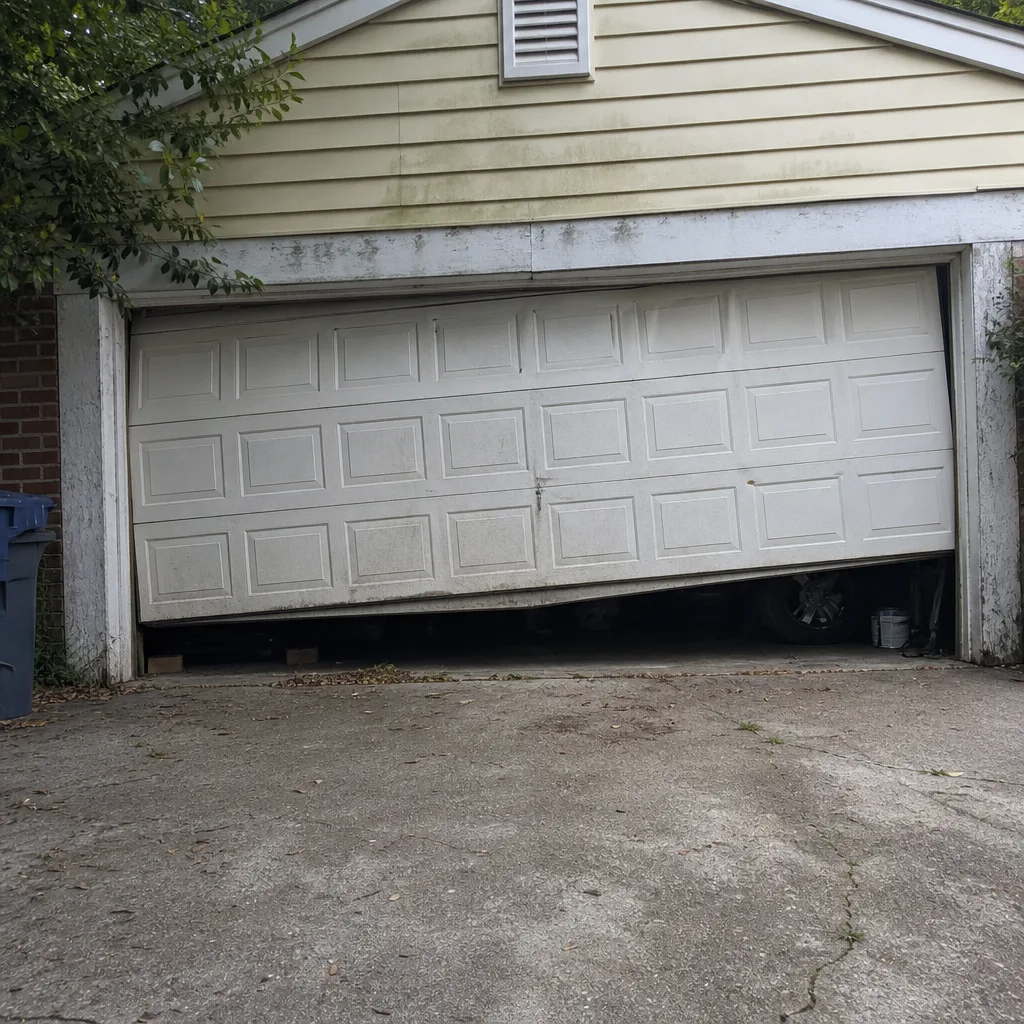 Before
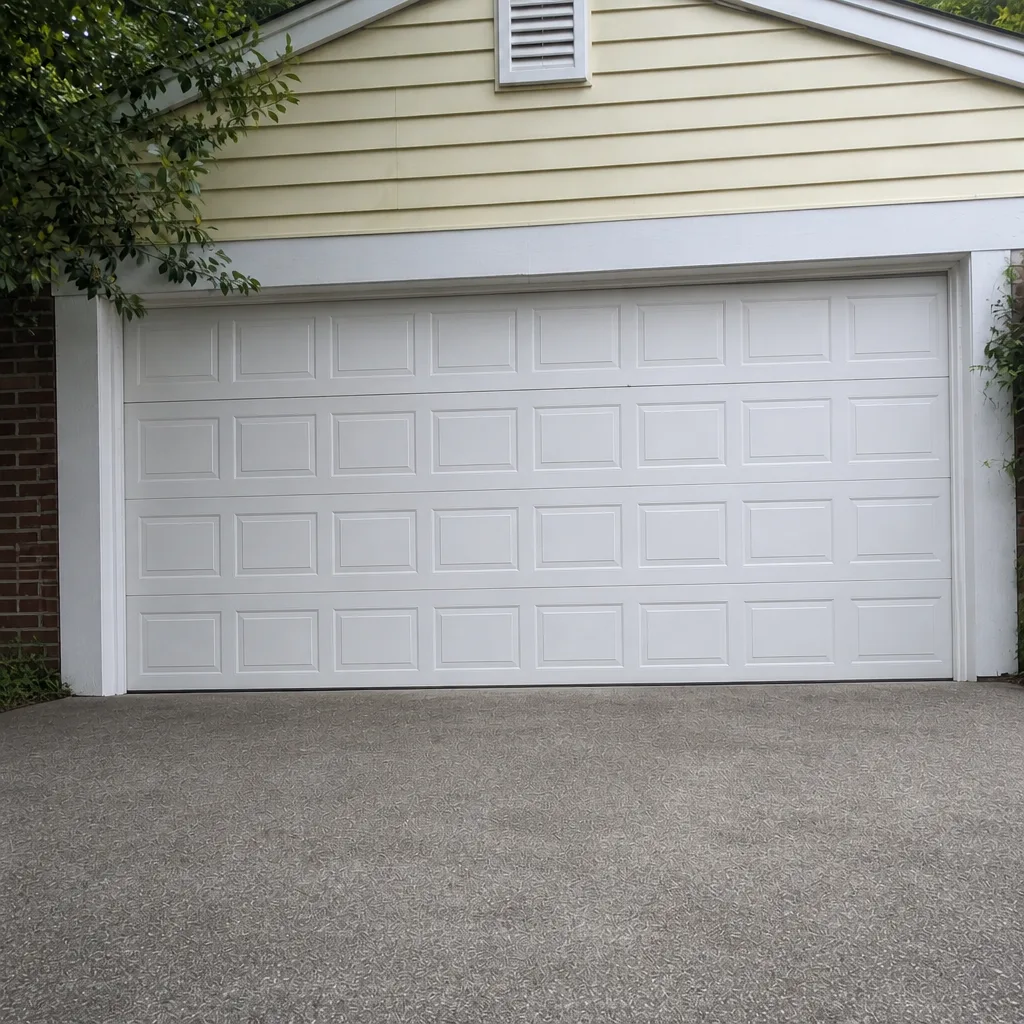 After
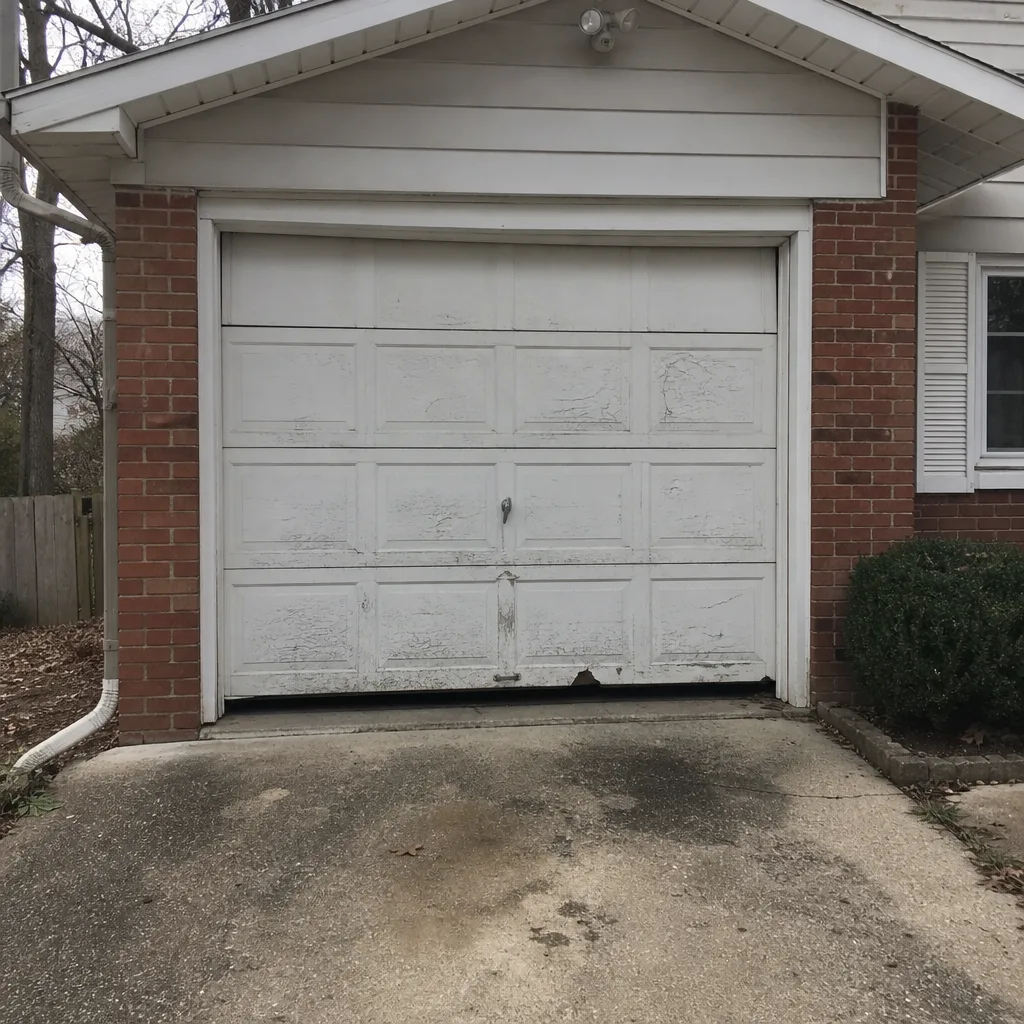 Before
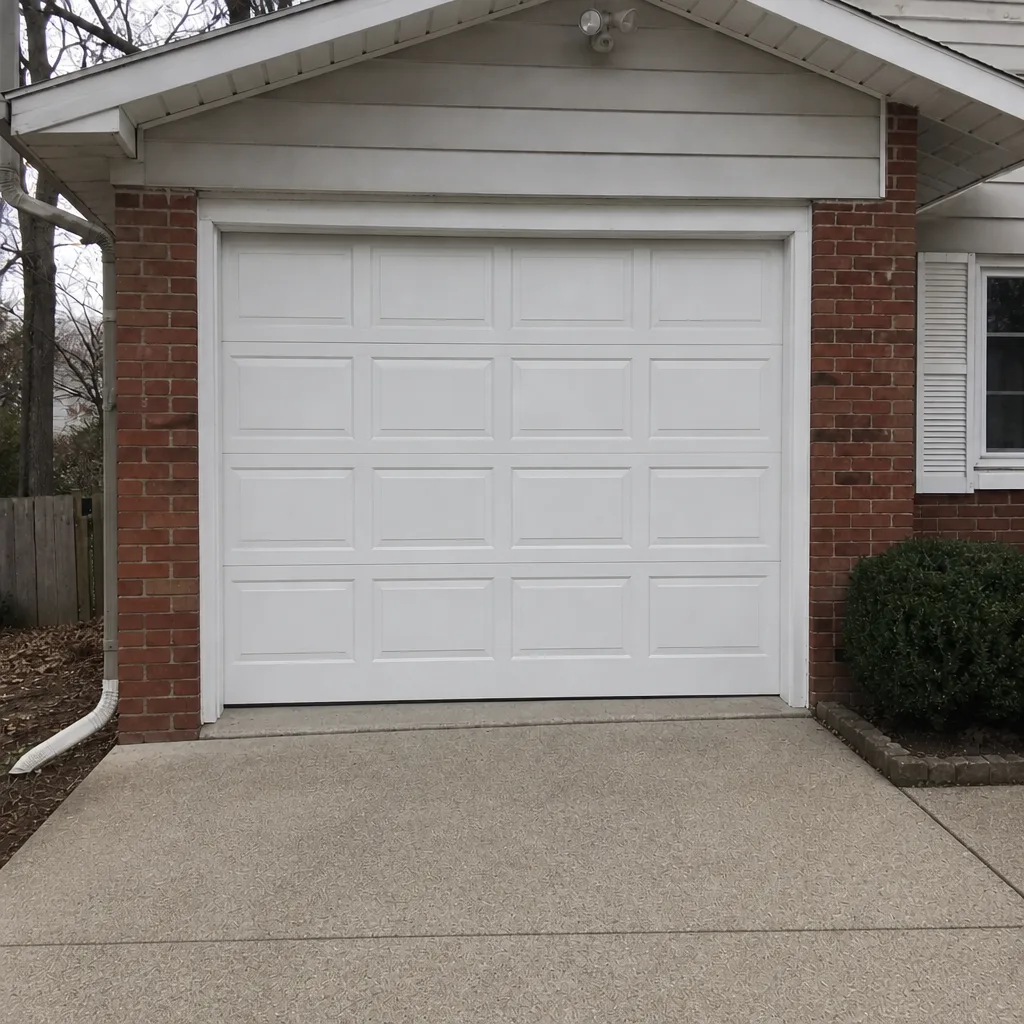 After
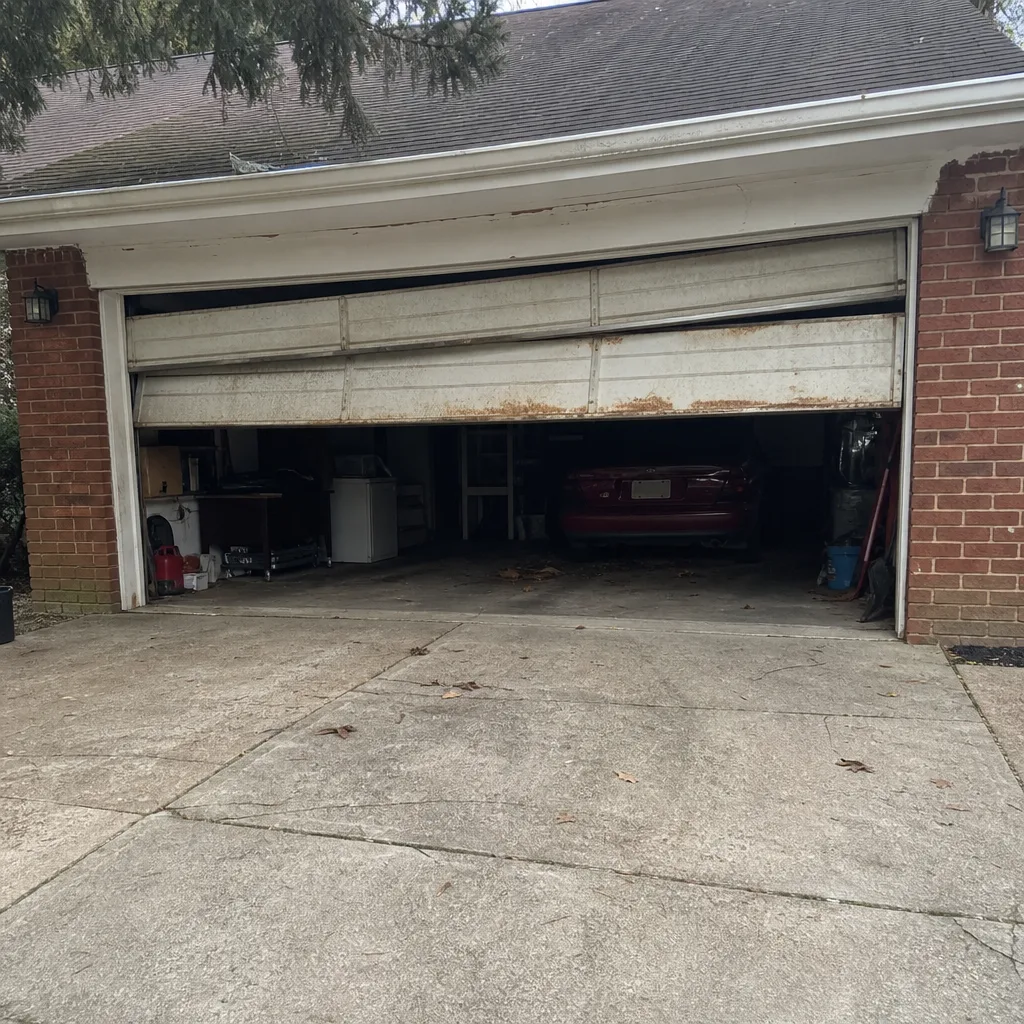 Before
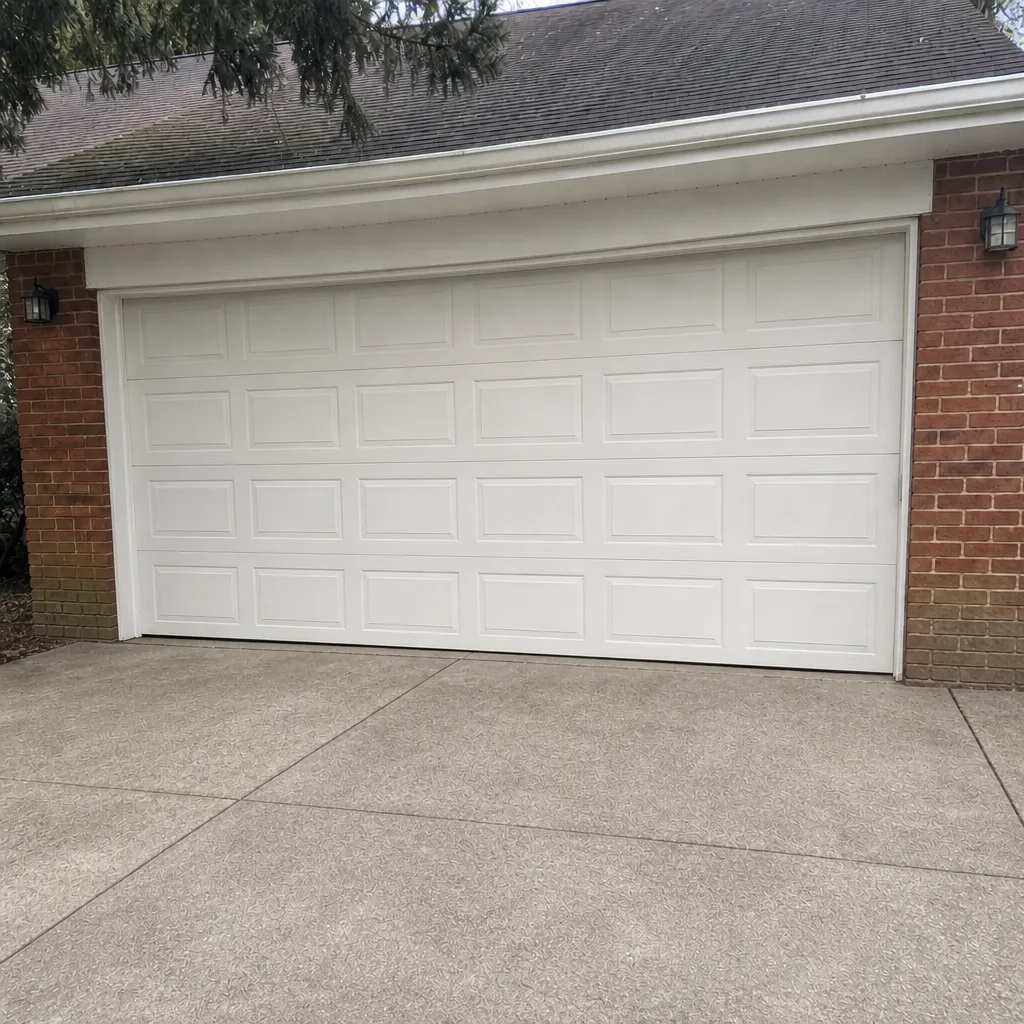 After
When to Call a Professional
Call a professional if a spring has snapped, a cable is loose or frayed, the door won’t stay up when lifted halfway, the door leans or binds in the tracks, the opener hums without moving the door after a trolley check, or you can see a bent track or cracked panel. None of these are safe around on your own. If the door is stuck open and the garage is exposed to the street, that’s the wrong kind of exposed. Emergency garage door service exists for exactly that situation. We answer 24/7, and fast dispatch runs 7am-7pm, Sunday through Friday, so a stuck door gets looked at quickly. Silver Spring Garage Door Repair offers free estimates in Silver Spring, and the price you agree to is the price you pay. Call (877) 357-8434.
Frequently Asked Questions
Pull the red release cord and lift the door by hand. If it’s heavy or won’t stay up, the spring is failing. If it lifts smoothly and stays put, the spring is fine and the opener is the problem. Then look at the trolley: if the opener ran but the door didn’t, the trolley is disconnected and the door is probably fine. If you’re unsure, call (877) 357-8434. Estimates are free.
No. A torsion or extension spring is under hundreds of pounds of tension and can cause serious injury if mishandled. We strongly recommend leaving spring work to a trained technician. Even a careful homeowner doesn’t have the winding bars or the training for the job. Call us for an exact quote on a spring replacement.
Typical repair costs in Silver Spring run from about $90 for a sensor realignment to around $425 for an opener board or gear repair. Spring replacement starts around $180 for a single spring, with a matched pair costing about twice that. The written estimate sets the final price. Call (877) 357-8434 for an exact quote. Estimates are free.
Humidity. In a Silver Spring summer, wood panels swell and metal tracks expand slightly, which changes alignment by a fraction of an inch. That fraction is enough to make one side lag. It’s not a track replacement, usually just a roller or alignment adjustment. Call us and describe which side lags, and we’ll tell you what to expect on the estimate.
No. We quote the price up front and the written estimate sets the final number. If we find something else that needs fixing, we tell you before any work starts and give you a revised estimate. You decide whether to proceed. Call (877) 357-8434 for a free estimate.
Yes. The local professionals we connect you with are licensed and insured as their state requires, and they’re experienced on the brand of door you own. Our technicians have up to 8 years of experience working on LiftMaster, Chamberlain, and Raynor systems. Call (877) 357-8434 and we’ll match you with the right pro.
Yes, same-day service is available for repairs, and emergency garage door service is a standing offering, not an add-on. We answer 24/7, and fast dispatch runs from 7am to 7pm, Sunday through Friday. If your door is stuck open, call (877) 357-8434 for a free estimate.
Usually the trolley is disconnected from the carrier, or the opener’s drive gear is stripped. Check the red release cord first. If it’s hanging free, push the trolley back toward the opener until it clicks. If that doesn’t fix it, the opener needs a closer look. Call (877) 357-8434 and we’ll sort it out.
The Bottom Line
Your garage door is your home’s largest moving part, and it fails in predictable ways. A heavy door points to springs. A moving opener with a stationary door points to the trolley or the drive gear. A crooked or binding door points to tracks, cables, or panels. Read the door’s behavior first, rule out the safe fixes, and call a technician for anything involving springs or cables. In Silver Spring, seasonal swings between humid summers and hard freezes put more stress on the system than most homeowners realize, which is why a door that “fixed itself” often comes back with worse symptoms. Getting the diagnosis right before you call saves money and gets you back inside safely, and our team covers springs, openers, and panels on one call so you never have to juggle multiple appointments. Call (877) 357-8434. We answer 24/7 with fast dispatch from 7am to 7pm, Sunday through Friday.
Written by the team at Silver Spring Garage Door Repair.