
Last updated November 21, 2026
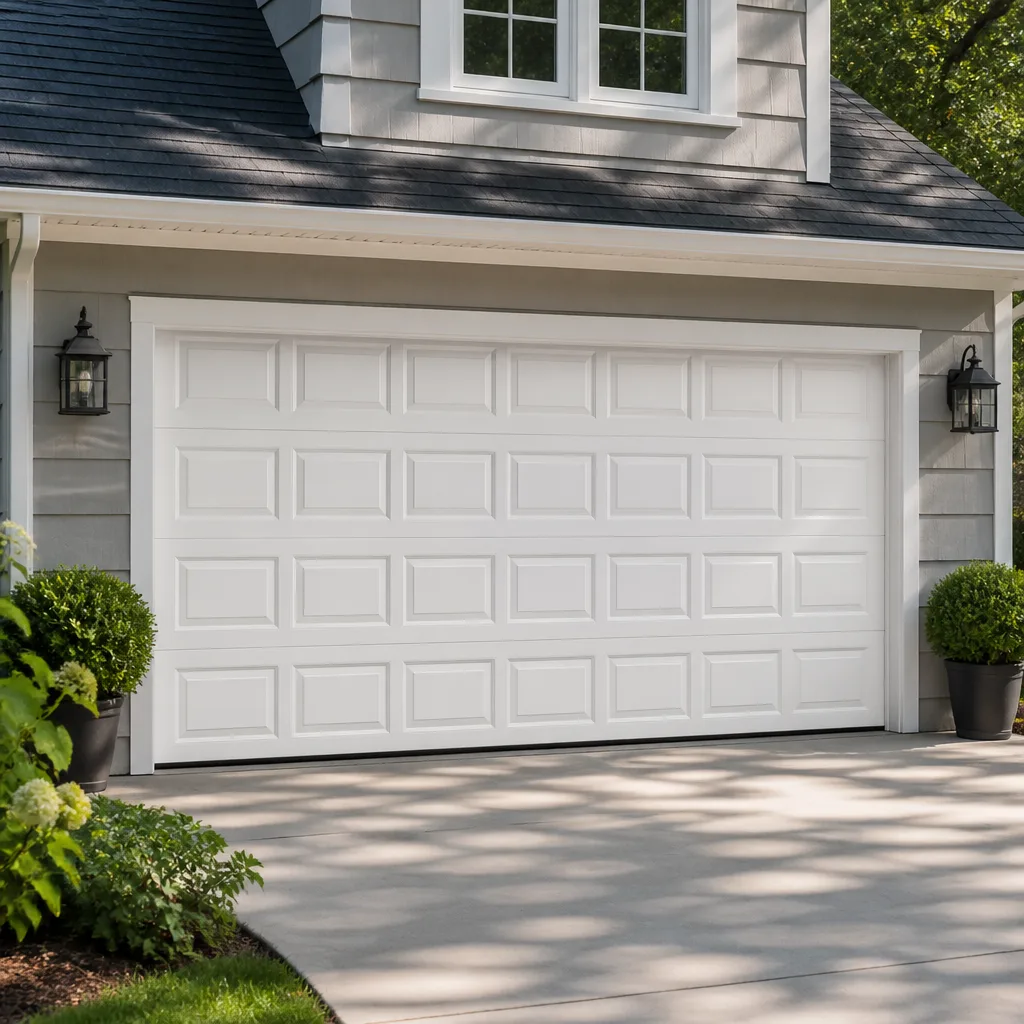 Raised-panel steel
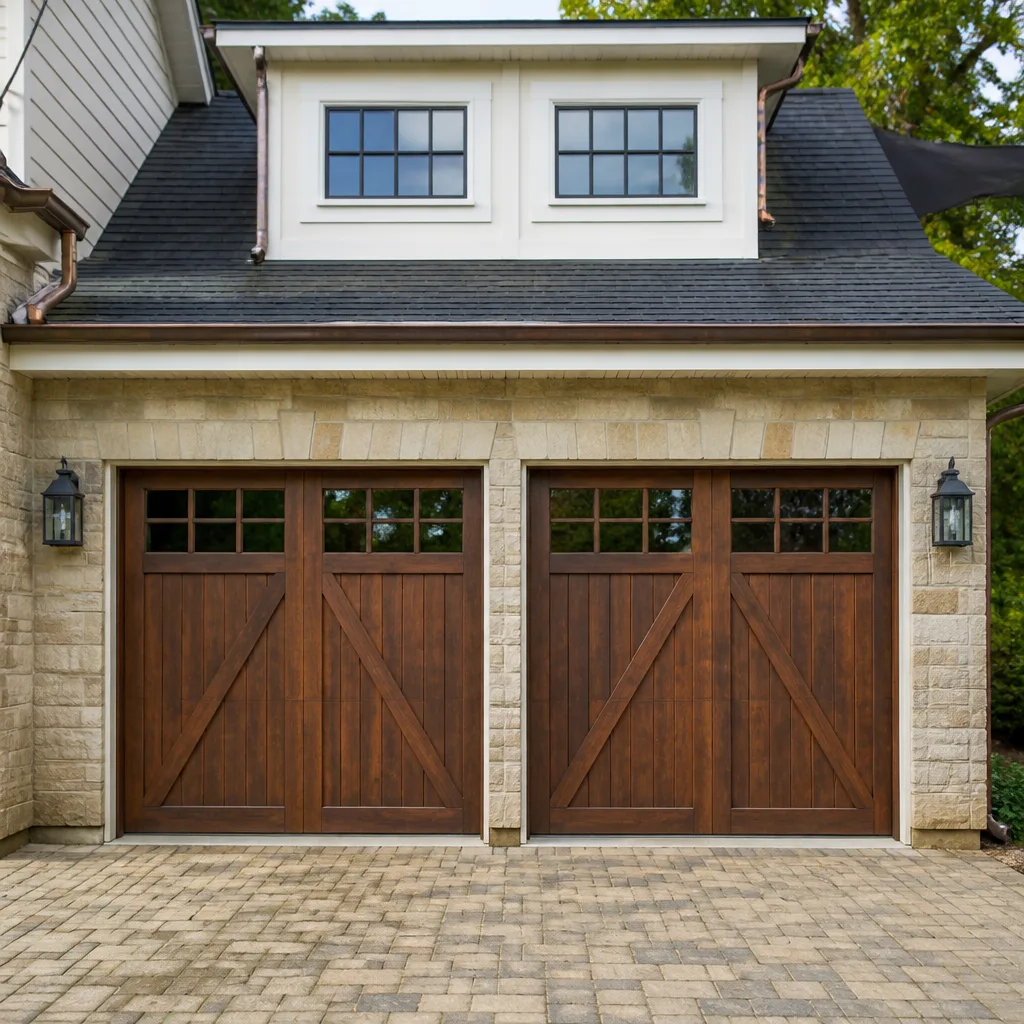 Carriage house
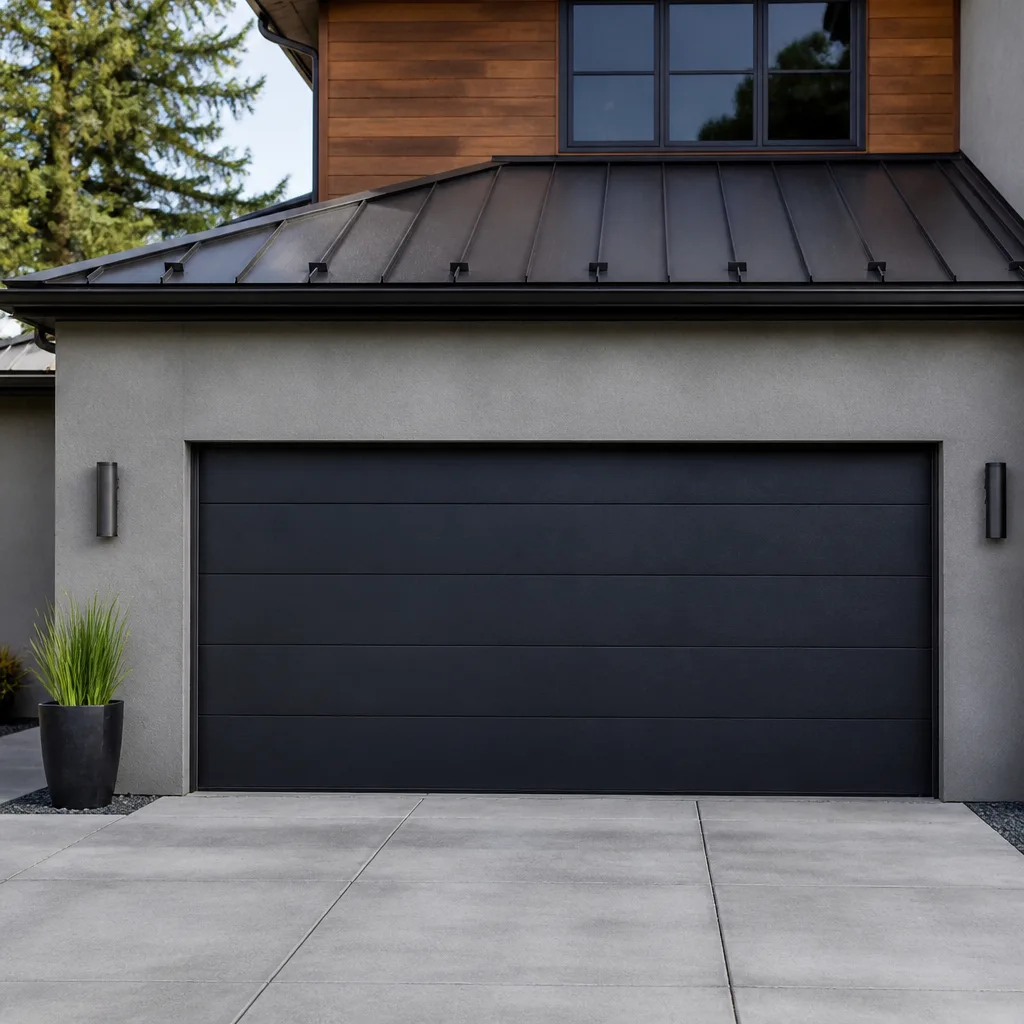 Modern flush
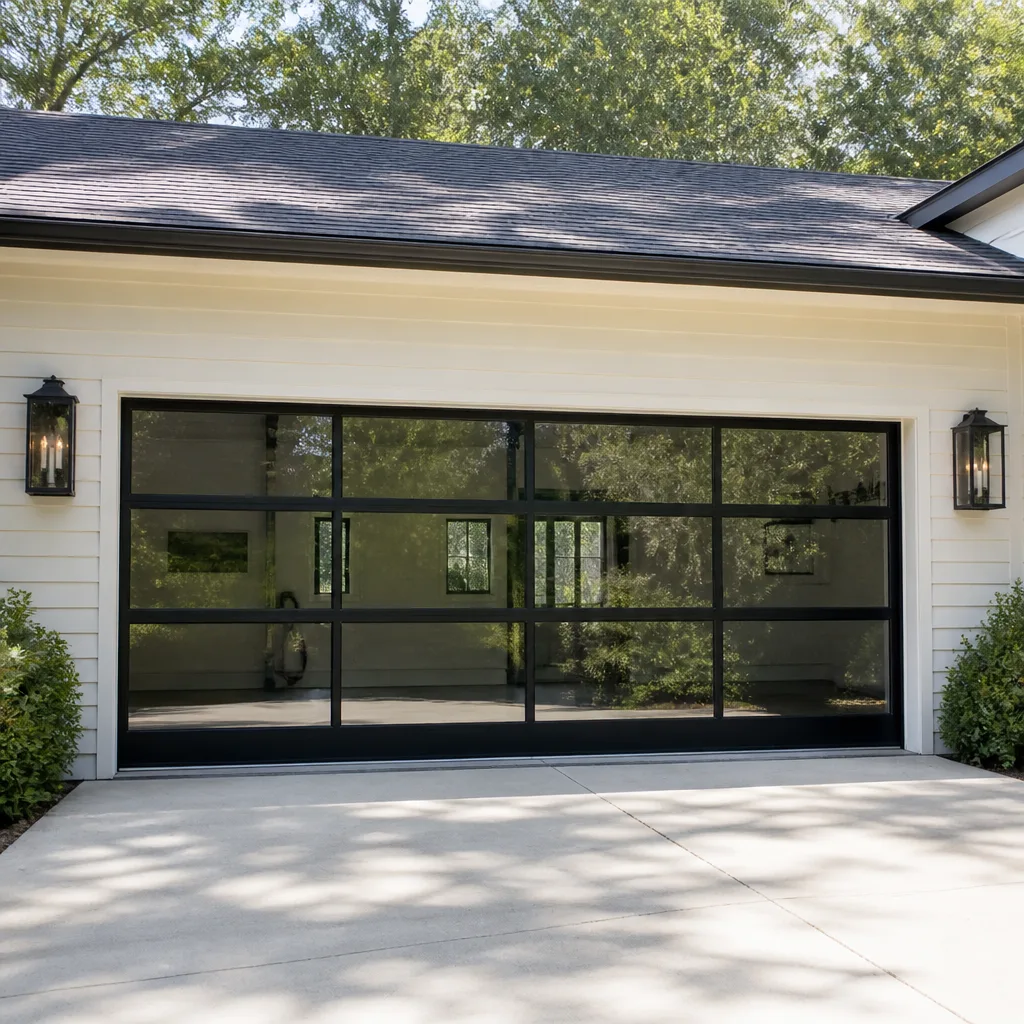 Full-view glass
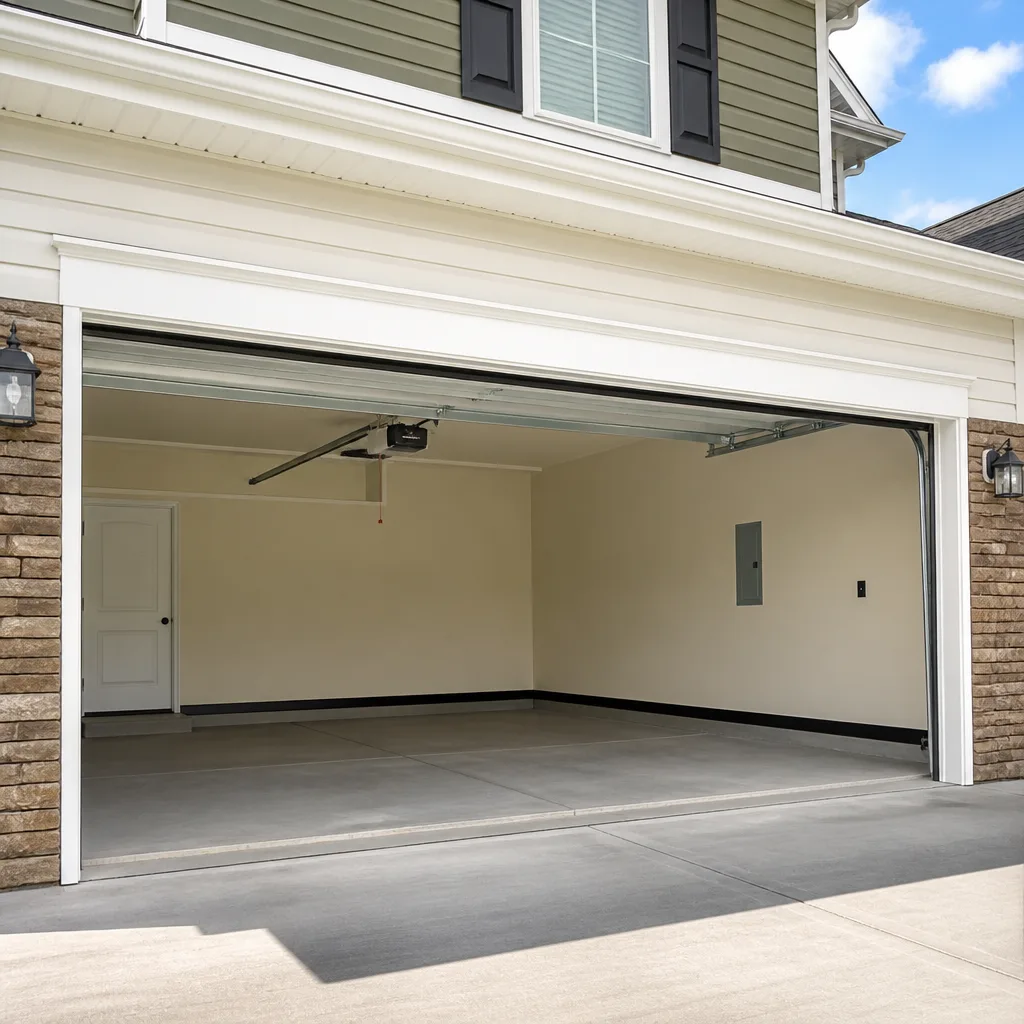 LiftMaster openers
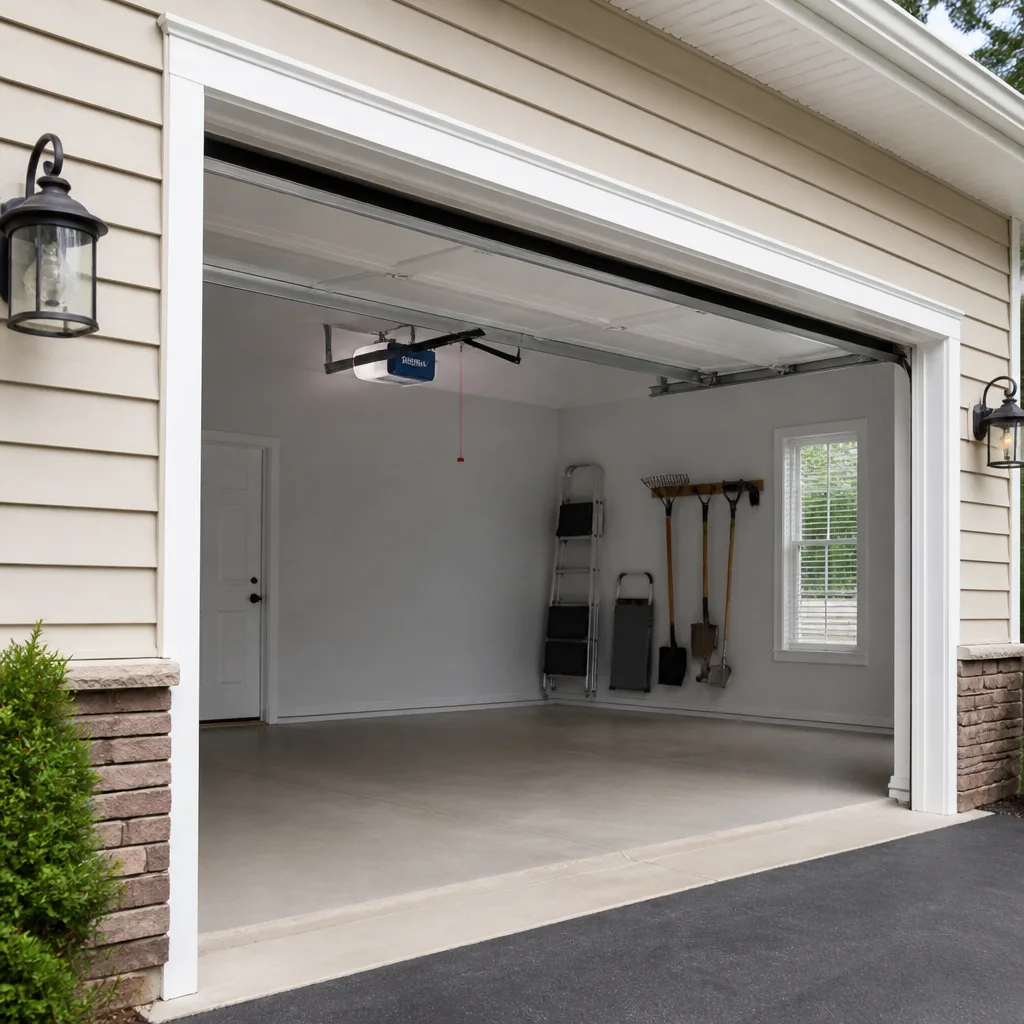 Chamberlain openers
Full 25-point door and opener safety check with every visit - springs, cables, rollers, tracks, and your LiftMaster or Chamberlain opener included
You get a price before we start. It does not change when the pro arrives.
Get your free estimateThe Complete Guide to Garage Doors in Silver Spring
Most Silver Spring homeowners replace a garage door panel when the real failure was a spring that had run out its cycle life. The panel looked wrong, so the panel got blamed. That’s the most expensive way to fix a door. A garage door isn’t a single product you buy once – it’s a system with three parts that wear against each other: the panels, the opener, and the springs. When one drifts out of spec, the others start working harder, and the failure you see is rarely the failure that started it. In Silver Spring, that interaction gets pushed by clay soil under the slab, humidity that swings hard between summer and winter, and HOA rules that limit what you can put on the front of the house. This guide walks through how to read the whole system before you spend anything, what each component actually costs in this market, and how to tell a repair from a replacement.
Quick Answer
A garage door in Silver Spring is a three-part system – panels, opener, and springs – and it should be diagnosed as one unit rather than part by part. Typical local costs run roughly $95-$350 for repair work, $180-$340 per torsion spring, $150-$420 for opener repair, and $1,200-$3,800 for a full door replacement with installation. The right call depends on which component is actually at fault, not on which one looks broken.
Styles & brands we work with
- Raised-panel steel
- Carriage house
- Modern flush
- Full-view glass
- LiftMaster openers
- Chamberlain openers
Table of Contents
- Why a Garage Door Is a System, Not a Product
- How Silver Spring’s Clay Soil Affects Your Door
- The Three Components and How Long Each Lasts Here
- What Garage Door Work Costs in Silver Spring
- HOA Rules and Common Door Styles in Silver Spring Neighborhoods
- Brand Fluency: Why the Name on Your Door Matters
- One Call vs. Three Vendors
- A Yearly Routine That Prevents Most Failures
Why a Garage Door Is a System, Not a Product
Your garage door is your home’s largest moving part. It also carries the most load of anything in the house that moves on a daily basis. A double-car door can weigh several hundred pounds, and every one of those pounds is balanced against two torsion springs working in tension. The opener doesn’t lift the door; it guides a door that the springs have already made nearly weightless. That division of labor is why a door that seems to “need a new opener” often needs springs, and why a panel that looks bent is sometimes just tracking a rail that’s a quarter inch out of plumb.
Think about what each part does when the system is healthy:
- Springs counterbalance the door’s weight so a person can lift it by hand and the opener only has to overcome friction and inertia.
- The opener moves the balanced door along the track, opens and closes it on command, and holds the safety reverse function.
- Panels and hardware carry the load, seal the opening, and ride the track. Hinges, rollers, and cables transmit force between them.
When springs weaken, the opener takes on weight it wasn’t built to move. Motors overheat, gears strip, and the door comes down harder. When panels or tracks shift – which happens in Silver Spring as slabs settle – the door drags, and the springs and opener both work against resistance they can’t see. A technician who only looks at the part you called about will fix the symptom and leave the cause. That’s how a homeowner ends up paying twice in twelve months. If you want the full-system diagnostic first, that’s what Silver Spring Garage Door Repair is built around.
How Silver Spring’s Clay Soil Affects Your Door
Silver Spring sits on heavy clay soil, and clay does two things that matter to a garage door: it swells when wet and shrinks when dry. Montgomery County’s wet springs and dry late summers push that cycle through the year, and the slab under your garage goes along for the ride. Slabs move. Not dramatically, usually, but enough over time to rack a door frame slightly out of square.
What that looks like at the door:
- One side of the door sits a little lower than the other as it closes.
- Rollers start squealing or binding at the same point in the travel every time.
- The gap at the bottom of the door changes from one side to the other with the seasons.
- The bottom weather seal wears unevenly, and you notice daylight or a draft under one corner.
A door that’s out of alignment puts side load on the springs and the opener’s rail. Over a couple of years, that’s what turns a routine adjustment into a spring replacement or a stripped opener gear. Oddly, the cheapest fix is often the earliest one: a technician can re-level the track and adjust the torsion cable tension to match the frame, and the door runs true again for a fraction of what a repair costs later.
Humidity is the other half of the picture. Silver Spring summers run humid enough that wood door sections swell and steel sections sweat on the inside face. Winter then dries everything back out. That expansion and contraction works on hinges and panel seams, and it’s why an annual look at the hardware is worth more here than in a dry climate.
The Three Components and How Long Each Lasts Here
Lifespan is usually described in cycles, not years – one cycle is one open and one close. A household that uses the garage as its main entry runs the door far more than one that parks and walks in through the front. In Silver Spring, where the garage is often the everyday door, most homes land in the higher-usage range.
Springs
Torsion springs are rated by cycle count, and standard springs are commonly rated somewhere in the 10,000-cycle range, with higher-cycle springs available for heavy use. At four cycles a day, that’s roughly seven years of standard service; at eight to ten cycles a day, it’s closer to three or four. Humidity doesn’t wear springs, but misalignment does – a door dragging on one track shortens spring life significantly. Springs are also the one component we will never suggest you touch yourself. They’re under extreme tension, and a torsion spring or cable that lets go can cause serious injury. That’s a job for a trained technician with the right winding bars, every time.
Openers
A chain or belt drive opener commonly lasts 10 to 15 years, and screw drive units sometimes longer. The opener’s real enemy is an unbalanced door. Once springs weaken, the motor strains on every cycle and the electronics run hotter. If your opener is more than a decade old and you’re facing a spring replacement, it’s worth talking through whether to replace both at once rather than nursing a tired motor through another few years.
Panels and Hardware
Steel panels hold up well in this climate and typically last 20 to 30 years with occasional painting; wood doors need refinishing every few years to survive the humidity swings. Rollers, hinges, and cables are the short-lived parts – rollers commonly last five to seven years before they flatten and start rumbling. A set of nylon rollers is one of the least expensive improvements you can make to how a door feels, and it takes load off everything upstream. If your door has started to sound like a freight train, that’s usually rollers, and garage door repair can sort it in a single visit.
What Garage Door Work Costs in Silver Spring
Prices below are typical estimates for the Silver Spring market. Every job is quoted per job, and the written estimate you get before work starts is the price you pay – not a number that grows once the technician is in your driveway.
| Job | Typical range |
|---|---|
| Service call and diagnosis (credited into the repair quote) | Free estimate |
| General repair (rollers, hinges, track adjustment, cables) | $95-$350 |
| Torsion spring replacement, one spring | $180-$340 |
| Torsion spring replacement, matched pair | About twice the single-spring price |
| Opener repair | $150-$420 |
| New opener installed | $350-$850 |
| Single-car door replacement, installed | $1,200-$2,400 |
| Double-car door replacement, installed | $1,900-$3,800 |
A few things to know about that table. Springs are almost always replaced as a matched pair – if one has failed, the other has lived the same cycles and is usually close behind. Quoting one spring when you need two is how a “cheap” spring repair turns into a second bill in a few months. The pair price is roughly double the single price, and we tell you which one you actually need before anything is ordered.
On bigger jobs, the door and opener should be spec’d together. A heavier insulated door paired with an opener rated for a lighter door is a mismatch that eats the opener’s gear train. Full replacement isn’t a same-day job: the door is measured, ordered to your opening size and HOA-approved style, then scheduled. Repair work is different – most repairs can be handled the day you call.
HOA Rules and Common Door Styles in Silver Spring Neighborhoods
Much of Silver Spring is governed by HOAs, and the garage door faces the street in a lot of the area’s housing stock – which means it’s part of the architectural review. Woodmoor, Colesville, and Four Corners all have associations with their own approval processes, and the details vary from one to the next. What’s typically approved tends to be conservative:
- Raised-panel steel in white, almond, or sandstone – the default for most townhome and single-family associations.
- Carriage-house style with decorative hardware – popular in Woodmoor and other mid-century neighborhoods, often with the hardware permitted as long as it’s consistent across the facade.
- Flush or contemporary panel in a color-matched finish – more common in newer construction and some Colesville builds.
What usually needs approval: any change in color from the original, window inserts, and decorative hardware. What frequently isn’t allowed without a variance: bold colors, mixed materials that don’t match the trim, and full-glass doors. The smartest sequence is always the same:
- Get the exact model and color spec from your chosen door line.
- Submit the spec and a photo of the style to your HOA architectural committee.
- Wait for written approval before ordering.
- Schedule the install once the door arrives and the approval is on file.
If you’re not sure what your association requires, ask your HOA board for the architectural guidelines before you shop. The door can be ordered to match, and a garage door repair or installation visit can be scheduled around the approval timeline rather than fighting it.
Brand Fluency: Why the Name on Your Door Matters
Garage door equipment isn’t interchangeable. A Clopay door sections differently from an Amarr, and a Chamberlain opener’s travel limits and safety sensors are set up differently from a Genie’s. When a technician shows up and has to read the manual on your driveway, you’re paying for that learning curve. When they’ve worked on that model before, the diagnosis is faster and the fix is more likely to be right the first time.
Two areas where brand knowledge pays off directly:
- Openers. LiftMaster, Chamberlain, Genie, and Craftsman all have their own quirks around travel limits, safety sensor alignment, and remote programming. A sensor that won’t stay aligned is often a mounting issue specific to the rail design, not a bad sensor.
- Doors. Clopay, Amarr, Wayne Dalton, and Raynor panels and hardware have different hinge and roller setups. Matching a replacement panel or a set of rollers to the actual door matters, especially on older models where the profile has changed.
We work on the brand you already have. That means we can tell you whether the part is available, whether the door line is still in production, and whether the smarter move is a repair or a replacement – without guessing. If your opener has developed a mind of its own, garage door opener repair starts with identifying the model and working from there.
One more note on opener safety: if your opener was installed before 1993, it may not have the photoelectric safety reverse that current openers have. A door without a working safety reverse is a genuine hazard, particularly in a house with kids or pets. That’s a replacement conversation worth having, not a repair.
One Call vs. Three Vendors
There’s a reason fragmented repairs cost more over five years. Each trade specializes, and each one sees only its slice:
- An opener company replaces the opener and leaves the dragging track alone. The new opener fails early because the door is still out of balance.
- A door company replaces the panel and doesn’t check the springs. The new panel gets dragged by tired springs and the door runs heavy.
- A spring company replaces the springs and doesn’t look at the opener’s gear train. The opener fails three months later.
Three invoices, three trips, and the underlying problem never got fixed. When one company handles the whole system, the diagnosis covers all three components in a single visit, the quote covers what actually needs doing, and the follow-up is on the same account. It also means the technician who replaces your springs is the same one who can tell you whether your opener is on its last legs and whether your panels are worth keeping.
In practice, the decision is simple. Call one number for the diagnosis. Let the technician look at everything. Then approve the work on a written estimate. If the honest answer is “you only need rollers and an adjustment,” that’s the answer you’ll get.
A Yearly Routine That Prevents Most Failures
Most of what we get called out for in Silver Spring was preventable with a short annual check. Once a year, ideally in spring before the heavy-use season:
- Lift the door by hand with the opener disconnected. It should come up easily and stay put halfway. If it feels heavy or drops, the springs are the likely culprit.
- Look at the springs for a visible gap in the coil. A broken torsion spring shows a clear break. Don’t touch it – just note it and call.
- Test the safety reverse. Place a small object in the door’s path and close it. The door should reverse on contact. If it doesn’t, the opener needs attention before anyone uses the door again.
- Check the bottom seal. In this climate the seal wears with the humidity swings, and a gap lets water and pests in.
- Lubricate the moving parts – rollers, hinges, and the torsion tube bearings – with a silicone-based lubricant. Not grease, which collects grit.
- Look at the track alignment at the floor. If one side is closer to the door than the other, the frame has shifted. That’s a track adjustment before it becomes a spring or opener failure.
For anything involving springs or cables, stop at the visual check and call a technician. Those parts are under enough tension that a mistake can cause serious injury. For the rest, a few minutes a year is cheap insurance against a door that fails at the worst possible moment.
Common Mistakes to Avoid
- Replacing a panel when the springs are the problem. Bent-looking panels often trace back to a misbalanced door dragging on the track. Diagnose the balance first.
- Replacing one spring when the pair is due. If one torsion spring broke, the other has the same cycles on it. One spring replacement is a false economy.
- Installing a heavy insulated door on a light-duty opener. The opener’s gear train fails early when the door outweighs its rating. Match the specs before you order.
- Ordering a new door before HOA approval. In Woodmoor, Colesville, and Four Corners this is a common and expensive mistake. Get the approval in writing first.
- Ignoring track misalignment caused by clay soil movement. A quarter-inch shift at the frame translates to real load on the springs. Adjust the track when you first notice it.
- Greasing rollers and hinges instead of using silicone lubricant. Grease collects grit and grinds the moving parts instead of protecting them.
- Skipping the safety reverse test. A door that doesn’t reverse on contact is a hazard, especially with kids and pets in the house. Test it once a year.
See the difference
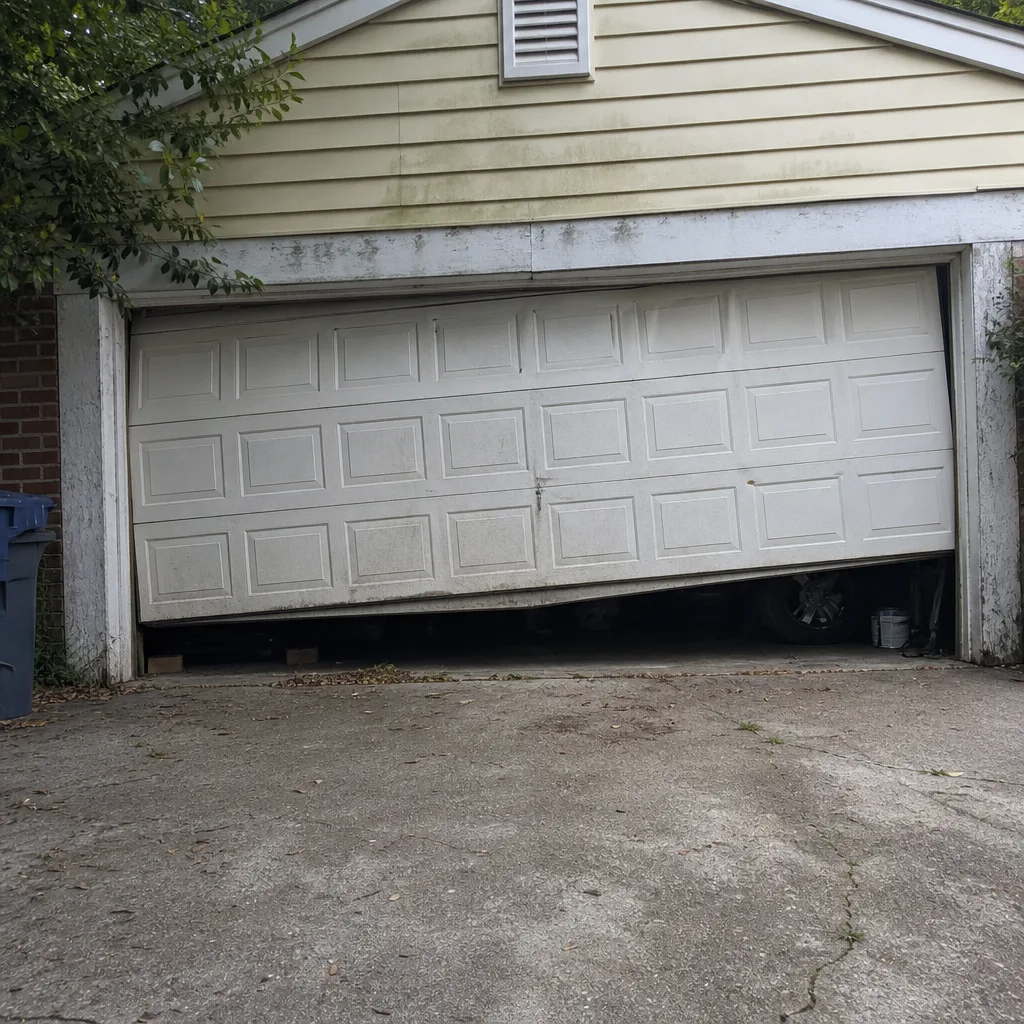 Before
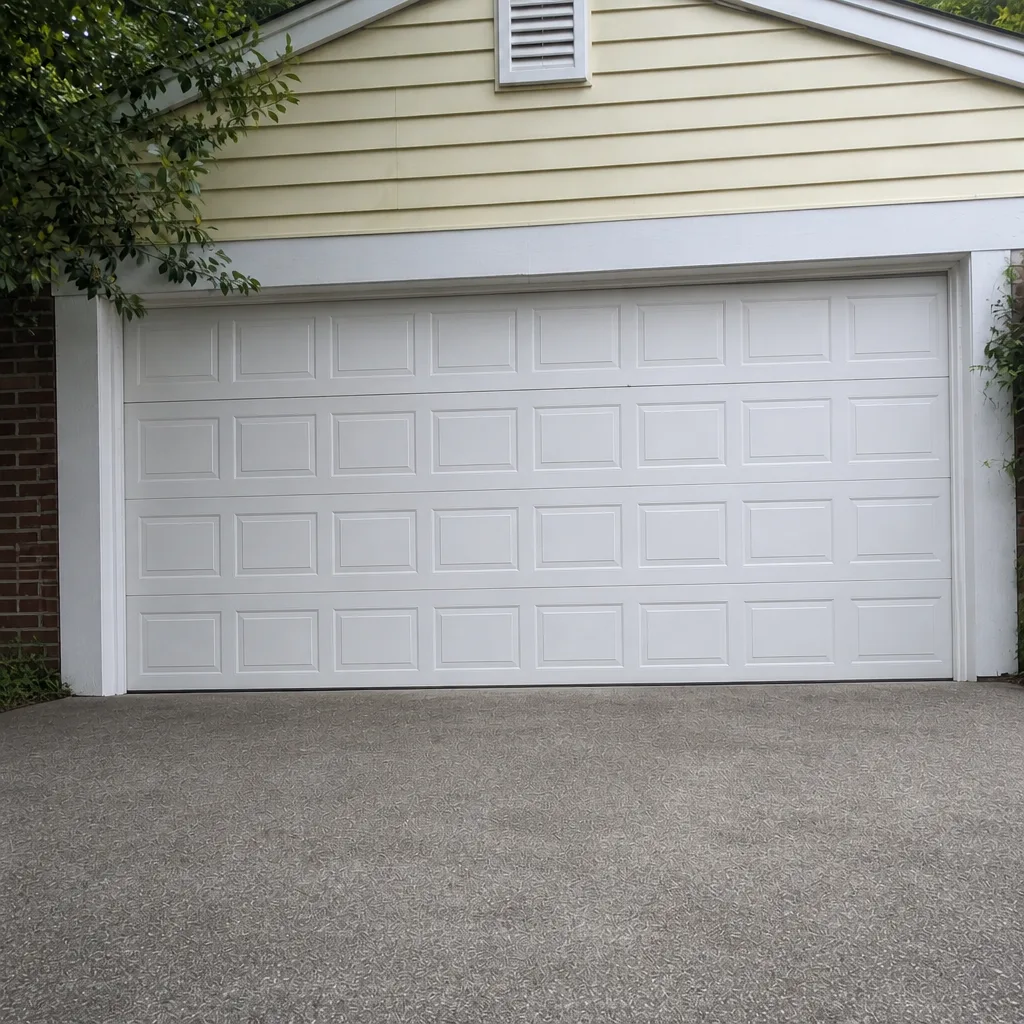 After
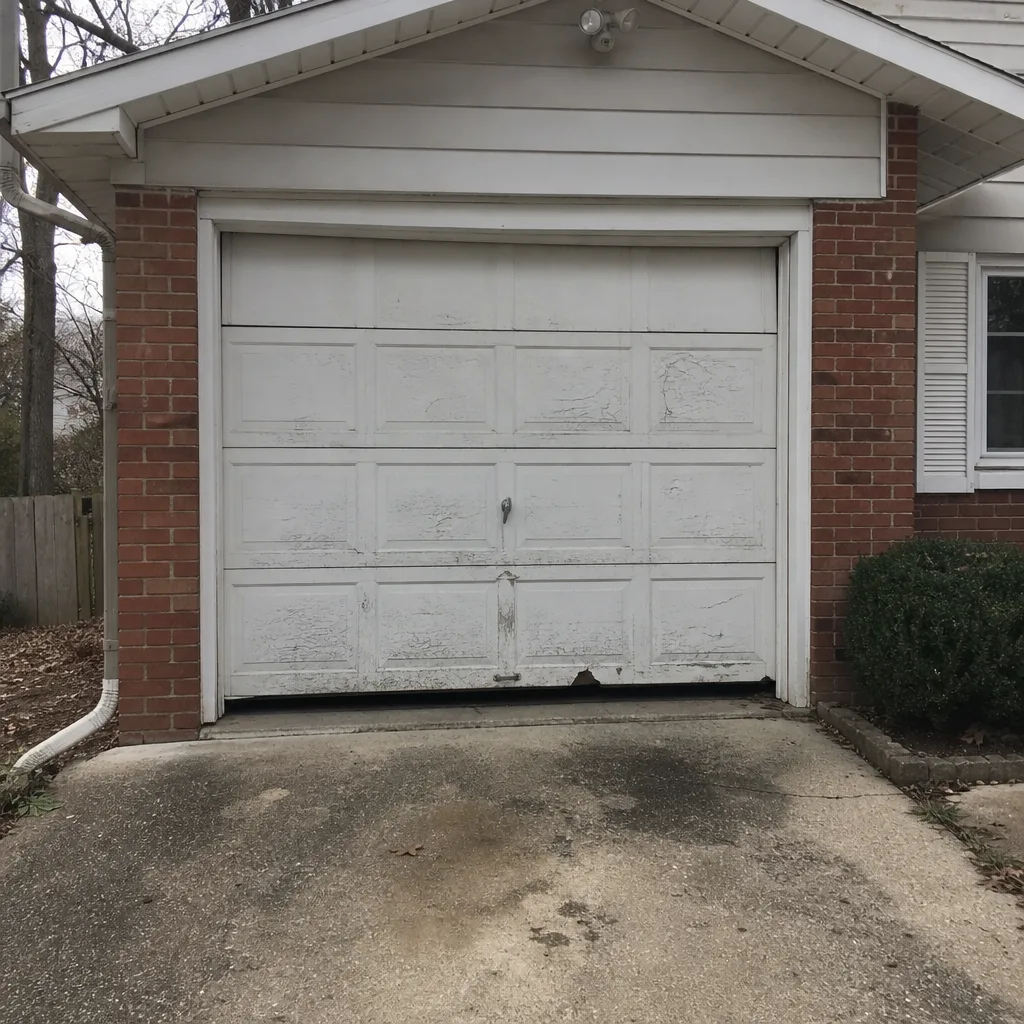 Before
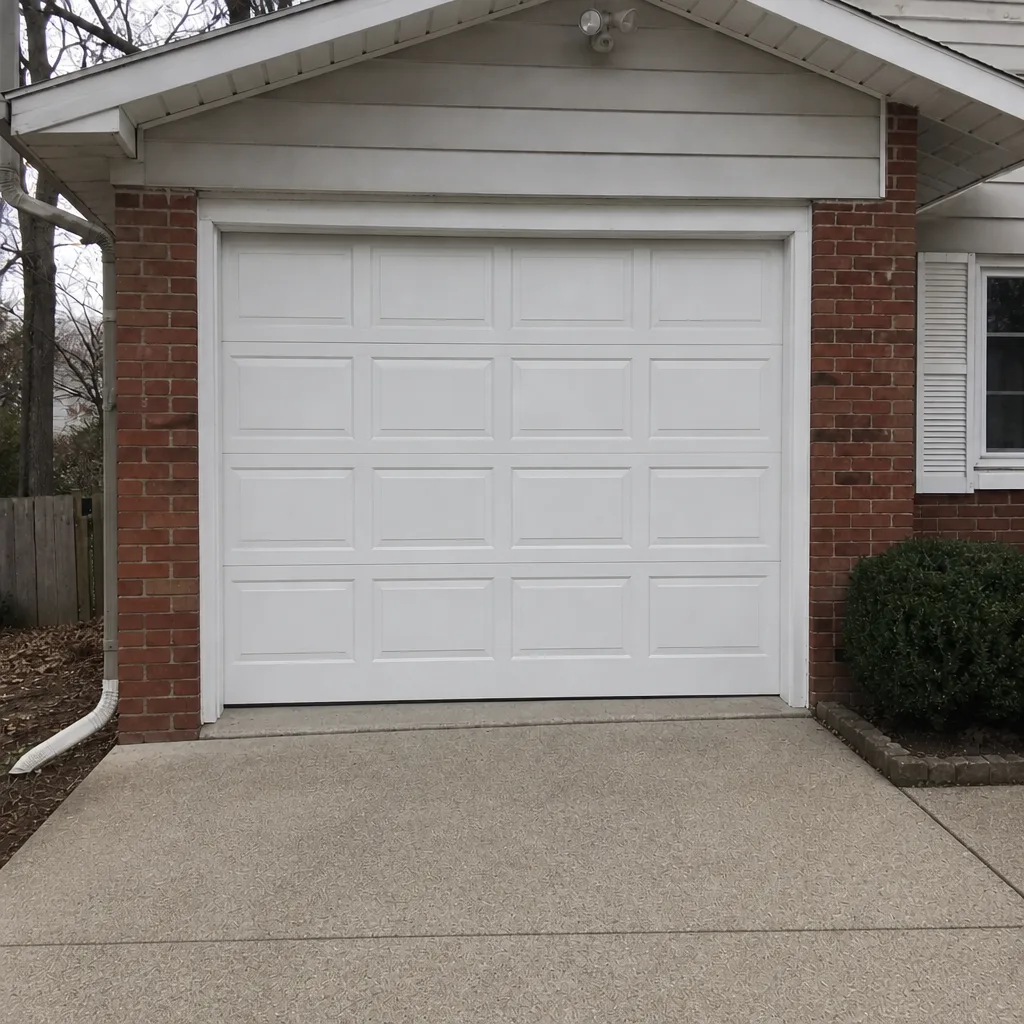 After
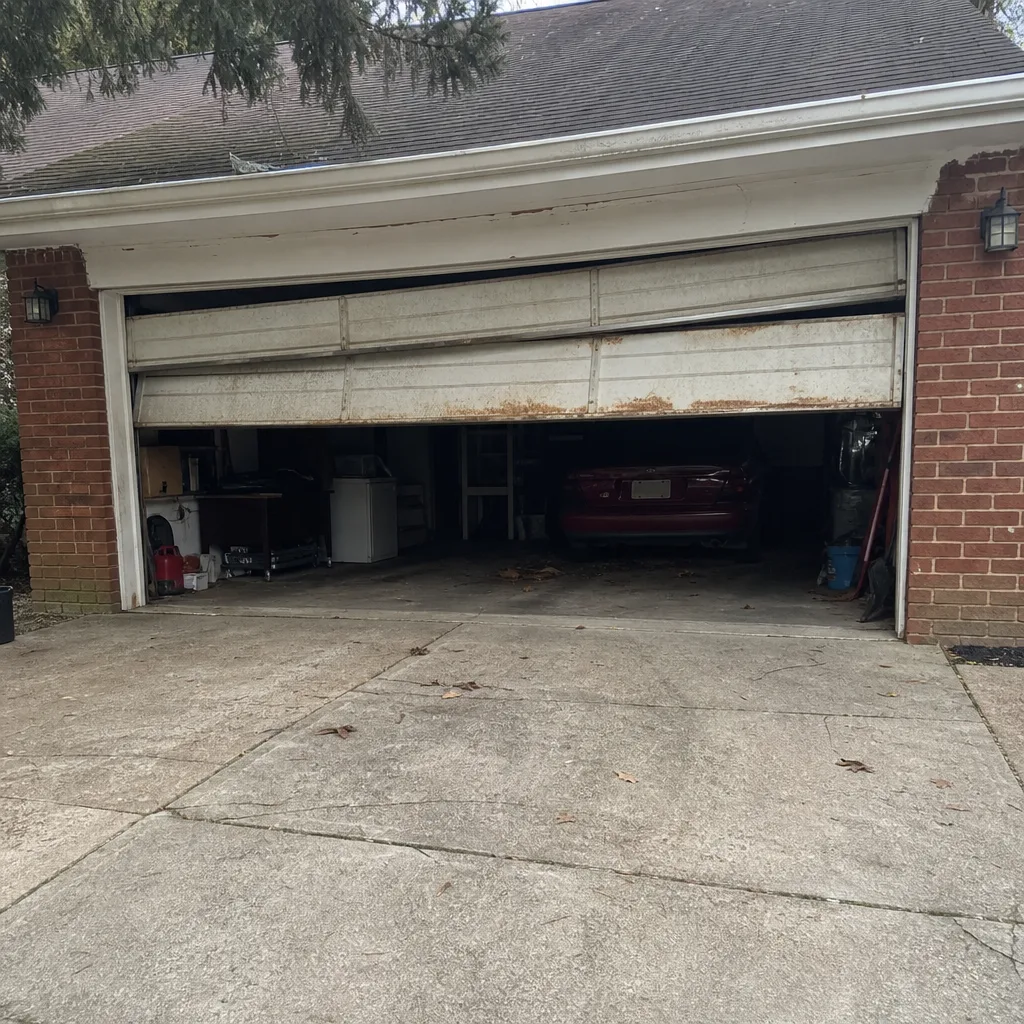 Before
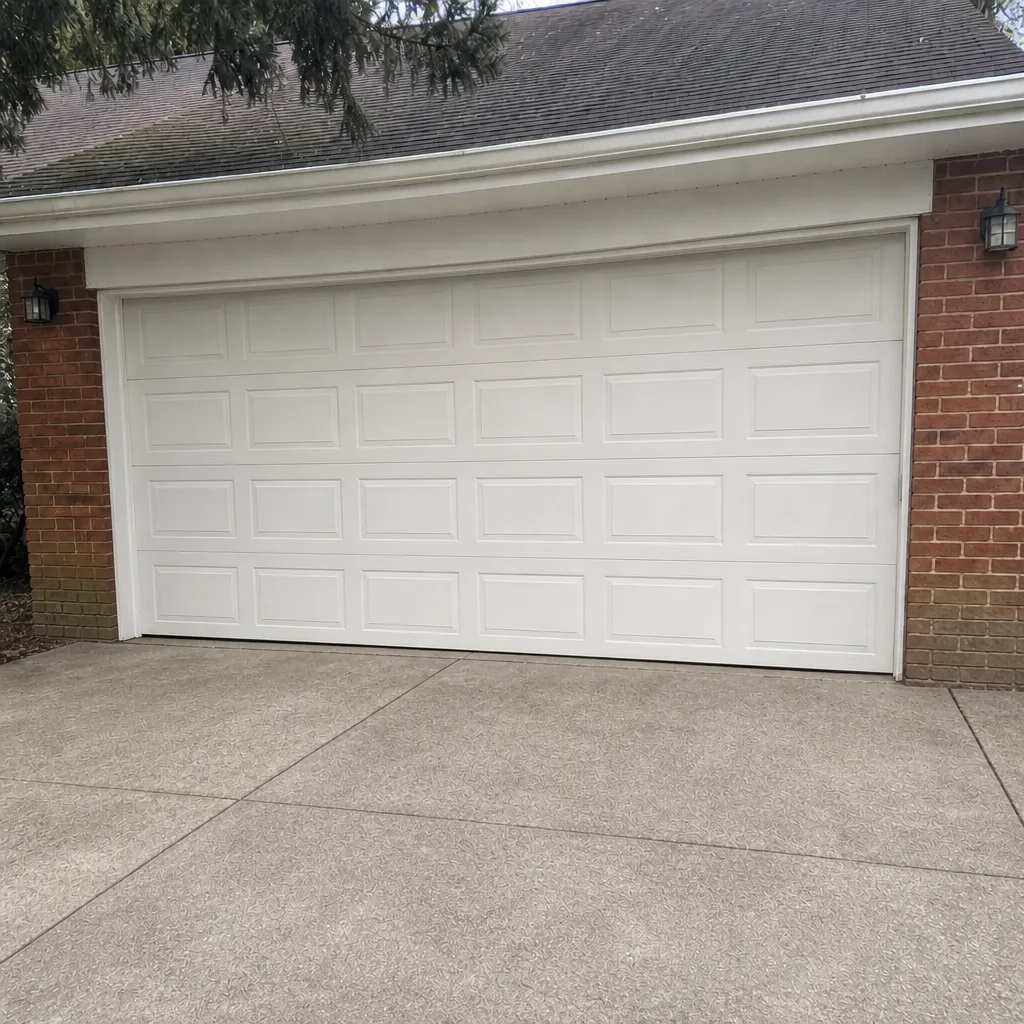 After
When to Call a Professional
Some things are worth a call right away. A broken spring, a snapped cable, a door that’s come off its track, or a door stuck open are all situations where the system is under load the homeowner shouldn’t try to manage. A door stuck open is a security issue as much as a mechanical one – the house isn’t sealed, and the door can fail further if it’s forced. A door that reverses on its own, closes partway and stops, or makes a grinding sound at the same point every cycle is telling you something in the system is fighting. And any door past its expected spring cycle with a worn opener is a candidate for a full-system look rather than one part at a time. Silver Spring Garage Door Repair offers free estimates in Silver Spring – call (877) 357-8434. Same-day repair is available, we answer 24/7, with fast dispatch from 7am to 7pm, Sunday through Friday.
Frequently Asked Questions
Most garage door repairs in Silver Spring run roughly $95-$350, with torsion spring replacement at $180-$340 per spring and opener repair at $150-$420. The written estimate you get before work starts sets the final price. Call (877) 357-8434 for an exact quote – estimates are free.
Yes, most repairs can be handled the same day you call. We answer 24/7, with fast dispatch from 7am to 7pm, Sunday through Friday. Full door replacement is different – that work is measured and ordered, so it’s scheduled rather than rushed.
No. The price is quoted and agreed in writing before any work starts, and that’s the price you pay. If the diagnosis changes what needs doing, you’ll be told before anything proceeds. Call (877) 357-8434 – estimates are free.
The local professional who performs your work is licensed and insured as Maryland requires. Our technicians have up to 8 years of experience, and we work on the brand you actually have – Chamberlain, Genie, Clopay, Amarr, and the other major lines. Call (877) 357-8434 for a free estimate.
Standard torsion springs are commonly rated around 10,000 cycles, which works out to roughly three to seven years depending on how often your household opens the door. Humidity doesn’t wear springs, but clay soil movement and track misalignment shorten their life. Garage door spring repair is one of the few jobs that should always go to a trained technician – springs are under extreme tension.
Permit requirements vary by jurisdiction and by whether the job involves structural changes, so ask your city’s building department before scheduling. HOA architectural approval is a separate requirement in many Silver Spring neighborhoods – Woodmoor, Colesville, and Four Corners all have their own processes – so get both answers before you order the door.
The Bottom Line
A garage door in Silver Spring is a system: springs, opener, and panels working against clay soil, humidity swings, and HOA rules, and the failure you see is rarely the one that started. Diagnose all three together, replace springs in pairs, spec the door and the opener as a set, get HOA approval before you order, and use one company for the diagnosis so the whole system gets read in a single visit. The yearly check takes minutes and prevents most of the calls we get. When something does fail, the price is quoted and agreed before work starts, so there are no surprises on the invoice.
Silver Spring Garage Door Repair handles repair, opener repair, spring repair, full door installation, and emergency response across the brands you already own. Call (877) 357-8434 for a free estimate. We answer 24/7. Fast dispatch from 7am to 7pm, Sunday through Friday.
Written by the team at Silver Spring Garage Door Repair.