
Last updated November 21, 2026
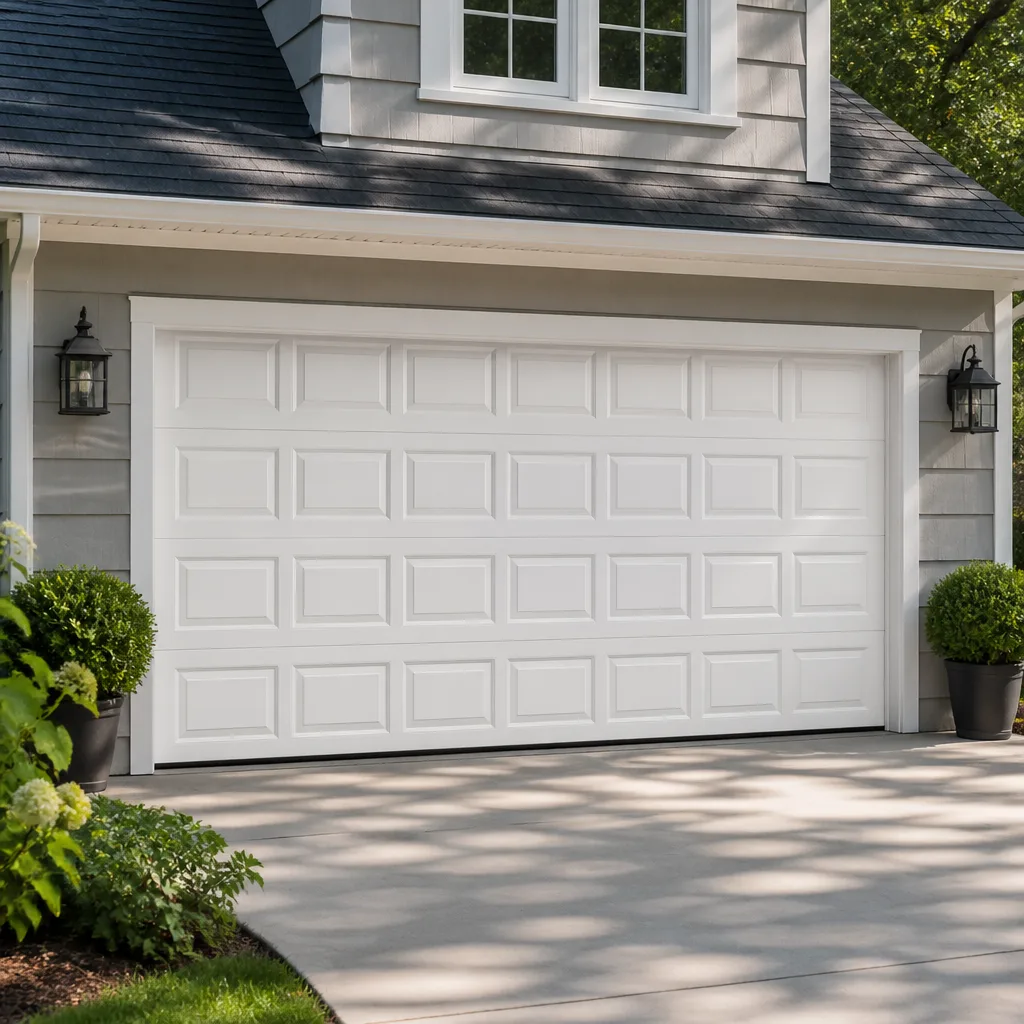 Raised-panel steel
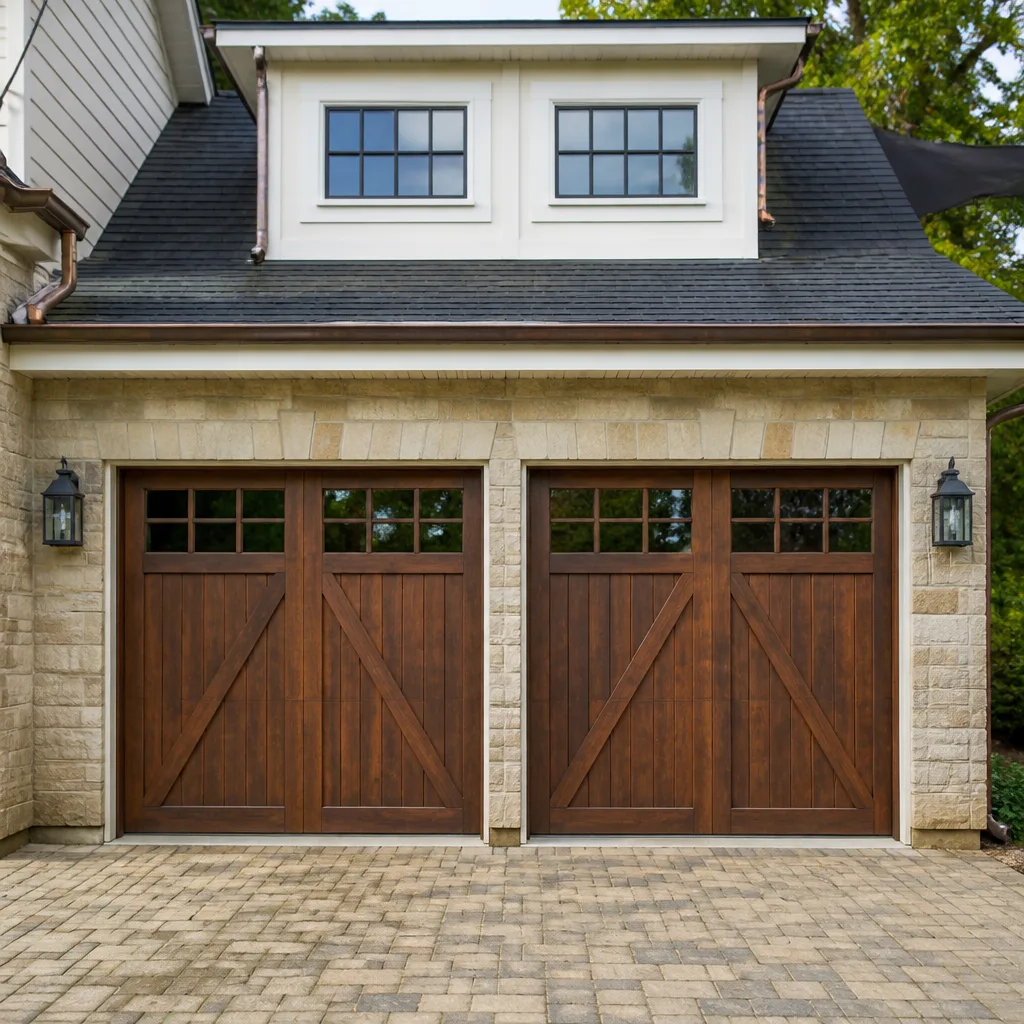 Carriage house
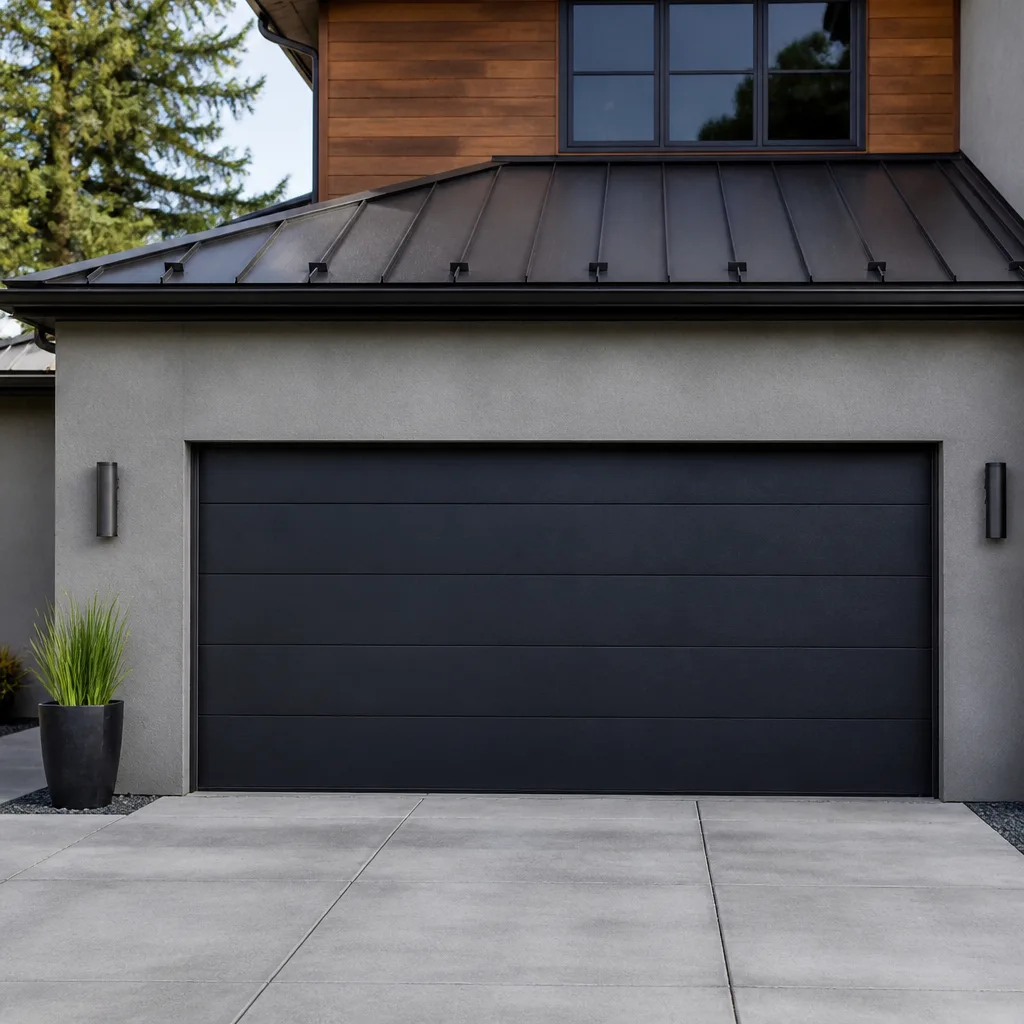 Modern flush
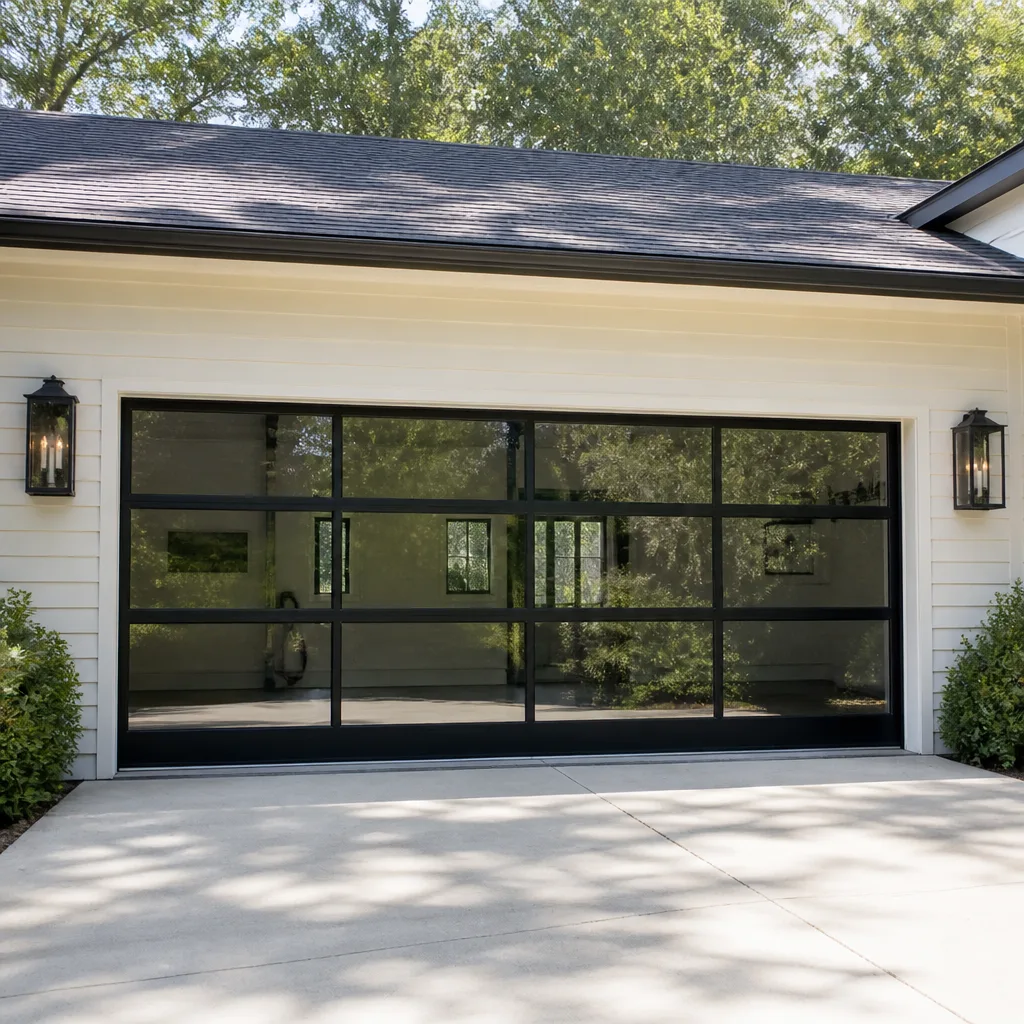 Full-view glass
 LiftMaster openers
 Chamberlain openers
Full 25-point door and opener safety check with every visit - springs, cables, rollers, tracks, and your LiftMaster or Chamberlain opener included
You get a price before we start. It does not change when the pro arrives.
Get your free estimateGarage Door Permits, Codes & Inspections in Silver Spring, MD: What You Need to Know
A full garage door replacement with a new opener and a new spring system can require a Montgomery County building permit, and most homeowners only find out years later, at the closing table, when the buyer’s inspector asks for the paperwork. Here’s the misconception worth correcting up front: a permit isn’t red tape for its own sake. It’s the record that the door was hung on a sound header, the springs are contained, and the opener’s safety reverse actually works. This guide walks through which jobs in Silver Spring trigger a permit, which ones don’t, how the county’s ePlans submission works, what a code-compliant installation looks like, and how an unpermitted job can surface during an insurance claim or a home sale.
Quick Answer
In Silver Spring, a full garage door replacement that changes the opening, adds a new door and opener together, or alters structural framing around the opening generally needs a Montgomery County building permit. Straightforward repair and like-for-like replacement of a door, opener, or spring on the existing opening usually does not. When in doubt, ask Montgomery County’s permitting office directly before work starts, because the answer depends on the scope, not the price tag.
Styles & brands we work with
- Raised-panel steel
- Carriage house
- Modern flush
- Full-view glass
- LiftMaster openers
- Chamberlain openers
Table of Contents
- What Triggers a Montgomery County Garage Door Permit?
- How to Submit Through Montgomery County’s ePlans Portal
- What a Code-Compliant Installation Looks Like
- What an Unpermitted Job Costs You Later
- HOA Approval in Silver Spring’s Planned Communities
- What the Inspection Actually Checks
- Silver Spring Realities: Weather, Housing, and Wear
- Common Mistakes to Avoid
What Triggers a Montgomery County Garage Door Permit?
A permit is tied to the scope of work, not the size of the invoice. Swapping a broken spring for a new one, replacing a single damaged panel, or installing a new opener on an existing door is routine repair work. Those jobs generally don’t require a county permit because you’re not changing the structure of the opening or the way the door is anchored. What does trigger a permit is anything that touches the load path or the geometry of the opening.
These are the categories we see split most often:
- New door on a new opening: if a wall is being cut or widened for a larger door, that’s a structural change and a permit is standard.
- Full system replacement on an existing opening: a new door, new springs, and a new opener installed as a package often requires a permit even when the opening dimensions don’t change, because the mounting and anchoring are new.
- Header or framing changes: any modification to the header beam above the opening is a structural edit and needs a permit.
- Like-for-like door swap: this is the gray zone. If the new door is the same size, same weight class, and hung on the original hardware without altering the framing, many jurisdictions treat it as replacement rather than construction. Confirm with the county before assuming.
- Opener-only replacement: typically repair, not construction.
- Spring-only replacement: typically repair. Springs are a wear item.
Every garage door replacement in Silver Spring runs through Montgomery County’s jurisdiction, including properties in unincorporated Silver Spring. “Unincorporated” doesn’t mean outside the county’s reach; it means you don’t have a separate city permitting office to call. The county’s building department is the authority either way.
One practical note: the definition of “repair” versus “replacement” is the single most common source of confusion on this topic. If you’re replacing the entire system, treat it as a permit question. If you’re replacing one component and leaving the structure and anchoring untouched, treat it as routine repair. When the scope sits in between, ask the county. A two-minute phone call beats a permitted-after-the-fact headache.
How to Submit Through Montgomery County’s ePlans Portal
Montgomery County accepts building permit applications electronically through its ePlans portal, which means most homeowners never set foot in a county office. The process is straightforward but picky about documentation. What you need depends on the scope, but a garage door permit application generally asks for the same core set. Confirm current requirements with the county before submitting, since portals and checklists update.
- Gather your project documents. That typically means a site plan or drawing showing the garage opening, the door specifications, the opener model, and the spring system details. Manufacturer spec sheets for products like Clopay or Amarr doors are commonly requested.
- Prepare the contractor information. The application asks who is performing the work. If a licensed contractor is doing the install, their information goes on the application.
- Create or log into your ePlans account. The county’s online portal is where you upload drawings and forms, pay fees, and track review status.
- Upload your documents and submit. Make sure everything is legible and matches the actual product being installed. Mismatched specs are the number one cause of a plan review bounce-back.
- Track review and respond to comments. Reviewers may ask for clarification. Respond promptly and keep your file organized.
- Receive your permit, do the work, schedule the inspection. The permit will spell out what inspection is required and when to call for it.
Fees vary by scope and are set by the county, so we don’t quote them as if they were ours. What we can say is that the time investment is small relative to the protection. If the install is being handled by a contractor, ask whether they pull the permit or whether it’s on you. That question should be settled before anyone orders the door, because some installers don’t include permitting in a standard quote and homeowners don’t always think to ask.
We’ve watched plenty of Silver Spring installations go smoothly because the paperwork was handled up front rather than after the fact. The work itself is fast. The permit is what makes it clean.
What a Code-Compliant Installation Looks Like Under Maryland-Adopted IBC and IRC
Maryland adopts the International Building Code and International Residential Code, and county inspectors review garage door installs against those standards. Those codes aren’t about cosmetics. They’re about load, containment, and safety. Here’s what compliance actually means at the door.
Header and structural load
The header beam above the garage opening carries the load of the wall above it. A compliant install anchors to a header sized and supported for that opening and its load. If the existing header is undersized, cracked, or was modified without engineering, that’s the kind of thing an inspector catches and a homeowner never thinks to look at. If structural modifications were made, engineering may be required to document the fix.
Spring containment
Torsion and extension springs store serious stored energy, and containment matters. Compliant installs include a containment method for extension springs (a safety cable running through the spring) so that a snapped spring can’t fly loose. Torsion springs on a proper torsion bar with correct anchoring are the standard approach. This is one of the specific areas an inspector looks at on a full install.
Opener safety standards
Openers are required to have a working safety reverse, plus a photoelectric safety sensor near the floor that stops and reverses the door on obstruction. These features are built into UL-listed openers from LiftMaster, Chamberlain, Genie, Craftsman, and other makers, but they have to be installed and adjusted correctly. An inspector will test the reverse and the sensor function. If the sensor is misaligned or defeated, the install fails.
What separates a pass from a fail usually isn’t the door itself. It’s the details: anchors, containment, sensor alignment, and whether the opener’s close-force is dialed in so the reverse works as intended. Inspectors test those. It’s also why the mechanical and electronic sides of the door are best treated together rather than by separate tradespeople arriving on separate days.
What an Unpermitted Job Costs You Later
Most homeowners never think about the permit again until someone else asks about it, and that someone is usually a buyer, an inspector, or an insurance adjuster. Here’s where the gap shows up.
The clearest case is a home sale. Most title and buyer’s inspections review whether improvements have permits where required. When an appraiser or inspector notices a garage door install with no permit record, the sale can stall, become conditional on getting documents after the fact, or result in a price negotiation. Getting a permit after the fact is possible in many cases, but it means opening the walls up to inspection, and the outcome can be more expensive and more disruptive than doing it right the first time.
The second case is an insurance claim. If a door or opener fails and causes damage, the insurer may look at whether the installation was permitted and code-compliant. An unpermitted install doesn’t automatically void a claim, but it can complicate one. The insurer’s question isn’t “did you pay for a permit” so much as “was this installed to code.” A permit record is the proof that it was.
And the third case is safety. An install that fails an inspection usually fails for a reason that matters: an undersized header that could sag, a spring without proper containment, or a safety reverse that isn’t adjusted. Those aspects don’t always announce themselves. The door works until it doesn’t, and the door is the biggest moving part of the house.
None of this is meant to alarm anyone. It’s meant to put the permit question in the same category as keeping receipts and knowing where your shut-off valves are. Boring, quick, and very handy later.
HOA Approval in Silver Spring’s Planned Communities
Many of Silver Spring’s planned communities and subdivisions have homeowner associations that maintain architectural review rules, including rules about garage door appearance and replacement. If your home sits in one of these communities, HOA approval runs in parallel to the county permit, not instead of it. The county cares about structure and safety. The HOA cares about consistency and curb appeal.
The typical flow for an HOA architectural review:
- Get your HOA’s architectural guidelines. These cover things like door style, color, panel profile, and window configuration. Match the community standard where it’s required.
- Submit an application before ordering the door. Most associations ask for a product spec sheet, a photo or rendering of the finished look, and the contractor information.
- Attend or wait for the architectural review meeting. Many associations meet on a schedule, so plan lead time. Do not order a door before approval, or you can end up unable to install it.
- Keep the approval letter with your project file. You’ll want it later if you sell.
- Pair the HOA approval with the county permit. Neither replaces the other. Both need to be handled.
We work with a wide range of door brands, including Clopay, Amarr, Wayne Dalton, and others, which helps when an HOA has a specific look it wants matched. A door that fits the community standard usually passes review without revisions. A door that doesn’t, however good it looks on its own, tends to send the application back.
One thing worth saying plainly: HOA rules and county code are separate systems. An approval from one won’t satisfy the other. Treat them as a checklist of two.
What the Inspection Actually Checks
If your installation requires a permit, an inspector will come out to verify the work after it’s done. Here’s what to expect, based on the standard inspection scope for a garage door and opener install.
- Header and anchoring: that the door hardware is anchored into sound framing sized for the load, and that no unauthorized structural modifications occurred.
- Spring containment: that extension springs carry safety cables, or that torsion springs are on a proper torsion bar with correct anchoring.
- Track and door travel: that tracks are level, the door rolls up and down without binding, and the door sits properly at both closed and open positions.
- Opener safety reverse: that the door auto-reverses on obstruction, both by force sensing and by the photoelectric sensor.
- Sensor placement and function: that the sensor is mounted correctly near the floor and actually works when the beam is broken.
- Electrical connections: that the opener is wired safely and any new wiring is done to code.
The inspection itself is usually short. What it rewards is attention to detail during the install. A door that’s hung square, anchored properly, and adjusted so the reverse works catches the inspector’s eye for nothing in particular, which is exactly what you want. Inspect and move on.
If an inspection does flag something, it’s usually correctable. The fix might be a new anchor, a sensor adjustment, or a clarification about the header. Getting to it quickly keeps the project closed out and keeps the door safe.
Silver Spring Realities: Weather, Housing, and Wear
Silver Spring’s climate has real bearing on how long garage doors and their parts last. The Mid-Atlantic swing between humid summers and freezing winters works on both metal and rubber. Doors expand and contract with temperature changes, and every cycle takes a small toll on springs, hinges, and rollers. Peaks of summer heat soften lubricants and stiffen tracks. Winter freezing cycles loosen the fit of parts and stress old springs. The hardware that survives well here is hardware that got installed correctly and adjusted for seasonal changes.
Housing stock matters too. Silver Spring has a mix of older single-family homes where the garage opening was originally sized for a narrower door, alongside newer subdivisions with standard openings and builder-installed doors that are now at or past the typical age of replacement. On older homes, the header and framing often need a look before a new door goes on. Sometimes that’s the difference between a clean swap and a permit-worthy repair.
There’s also a neighborhood-level factor. Communities like Woodside, Forest Glen, and Takoma Park (adjacent to Silver Spring) often have homes where the garage was added or enclosed later, and later additions are exactly where framing questions tend to hide. If you’re replacing a door on a garage that was clearly added after the house was built, it’s worth a closer look at the framing and a conversation with the county about scope before you order anything.
None of this is unique to Silver Spring. It’s just that the mix here makes the permit question come up more often than the sticker price suggests. A quick, correct answer is worth more than a fast one.
Common Mistakes to Avoid
- Assuming “unincorporated” means no permit. Unincorporated Silver Spring is still under Montgomery County permitting. The county is the authority regardless of mailing address.
- Confusing repair with replacement. A new door and spring on an existing opening is different from a one-panel repair. Scope determines the permit question, not the invoice amount.
- Ordering the door before HOA approval. Most HOAs want to review the product spec before the door is ordered. Order first and you risk an installed door the association won’t approve.
- Skipping the permit on a full system replacement. A new door, opener, and spring system together is commonly a permitted scope. Skipping the permit leaves a gap for buyer’s inspections and insurance questions.
- Treating the county and the HOA as interchangeable. They’re separate systems. Both apply in many Silver Spring communities, and approval from one won’t stand in for the other.
- Not verifying the safety reverse after the install. Inspectors test it. Misadjusted reverse or a misaligned sensor is a common fail, and it’s easy to check.
- Assuming the contractor handles permitting. Ask, in writing, who is pulling the permit. Some installers don’t include it in the standard quote, and that difference matters down the line.
See the difference
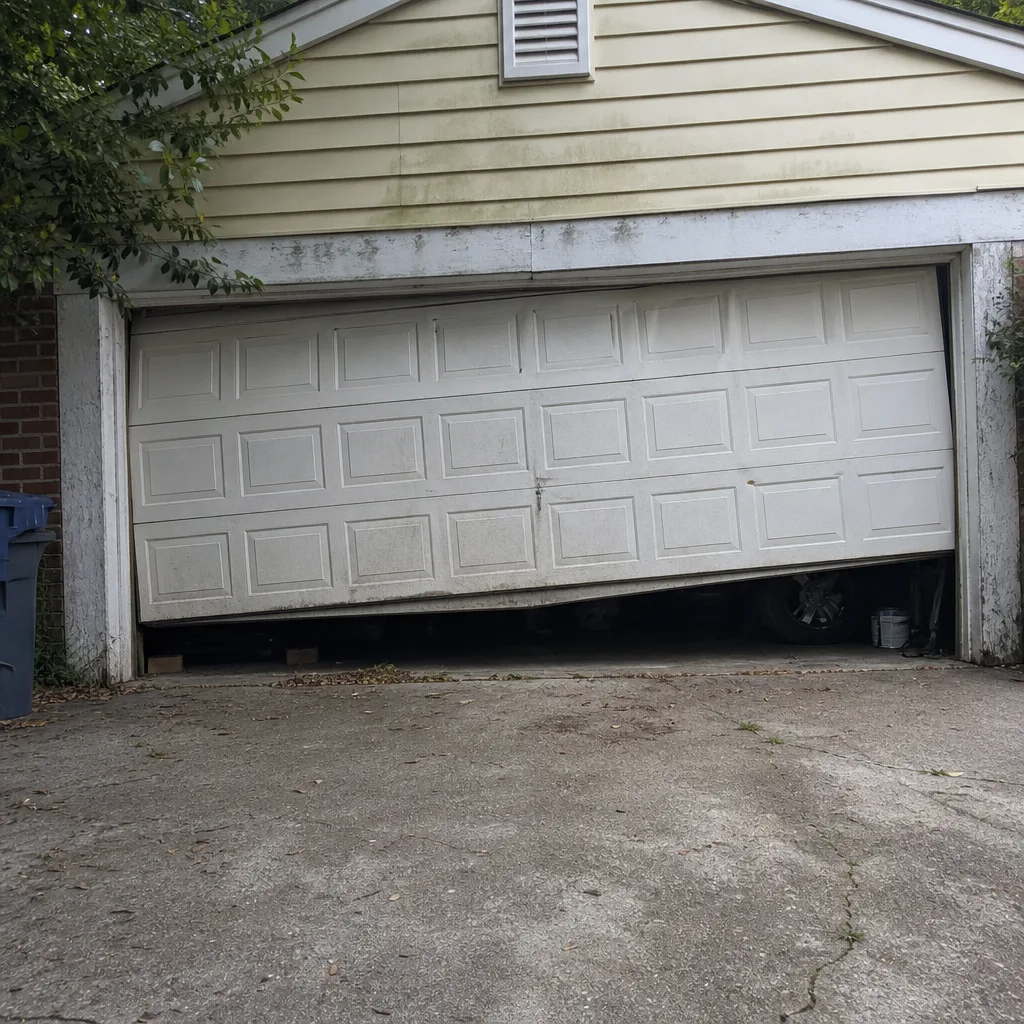 Before
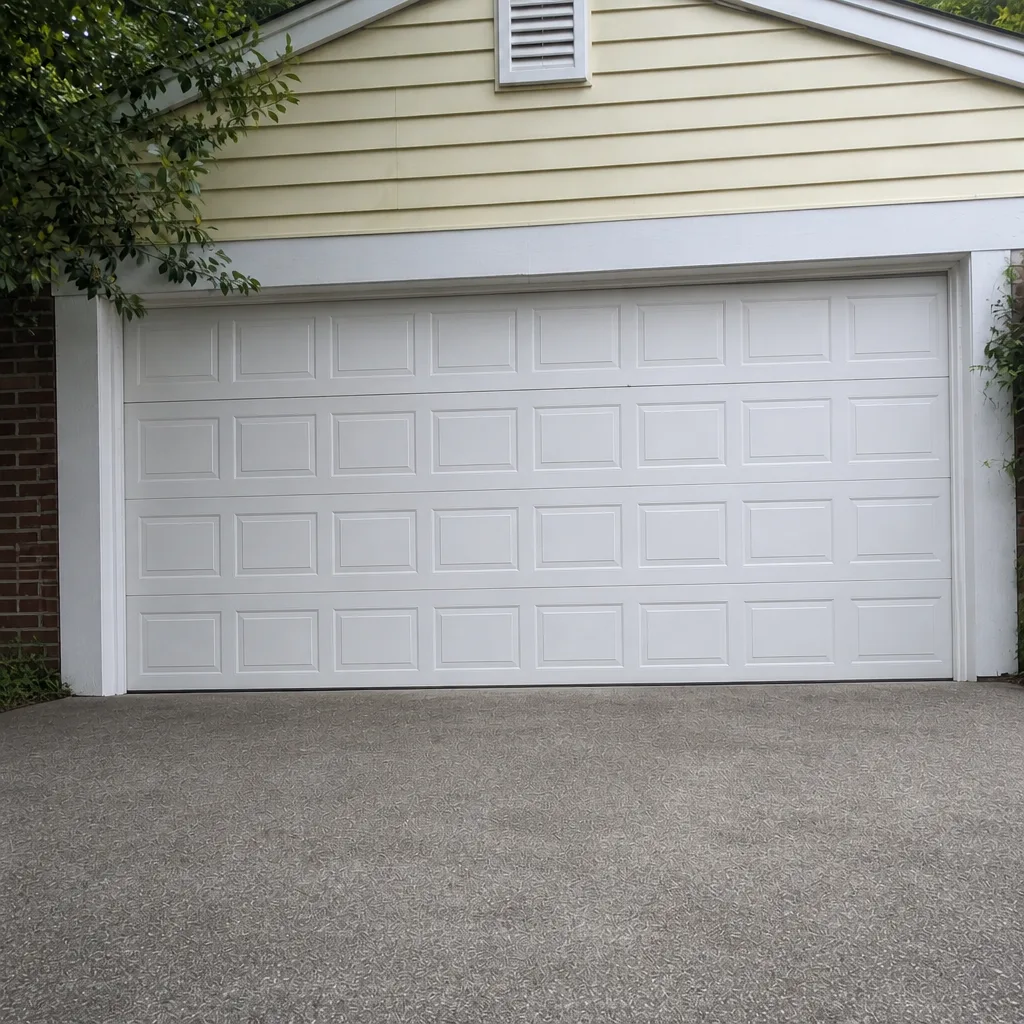 After
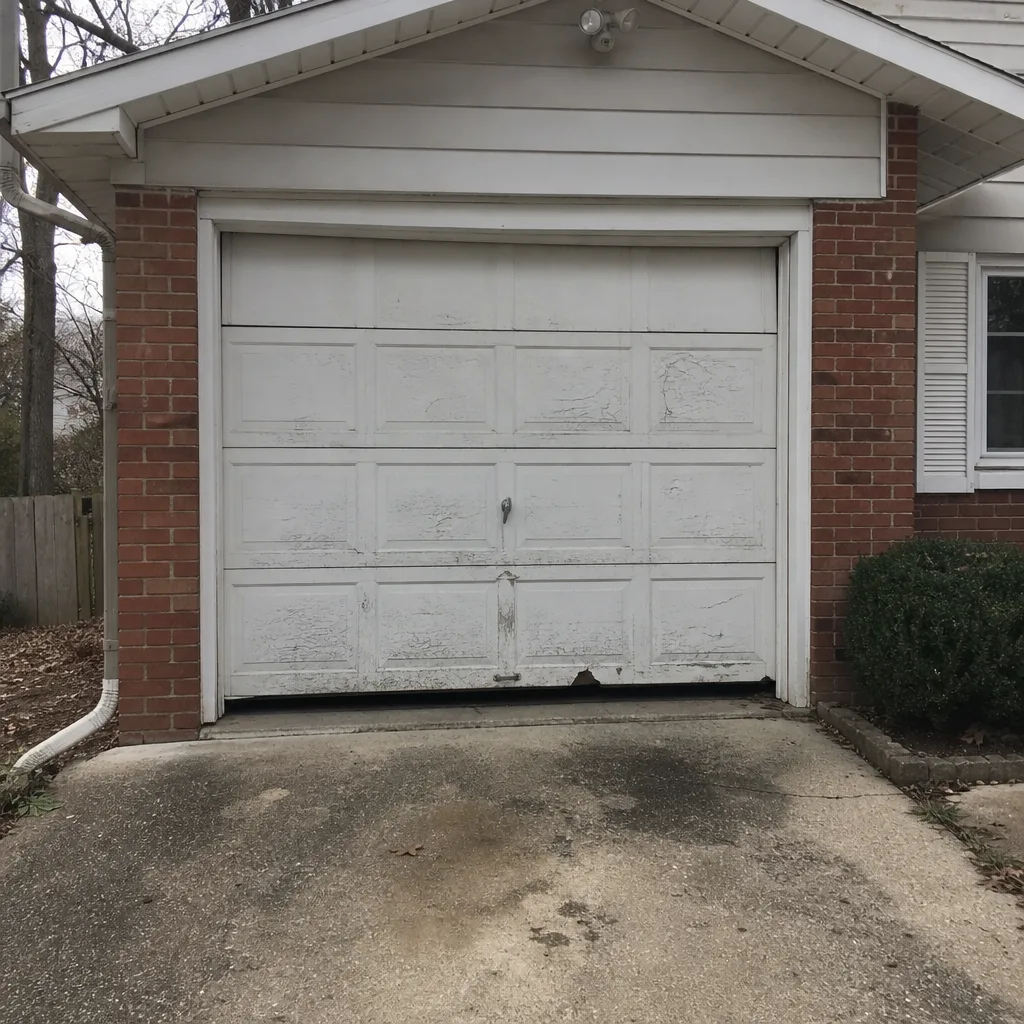 Before
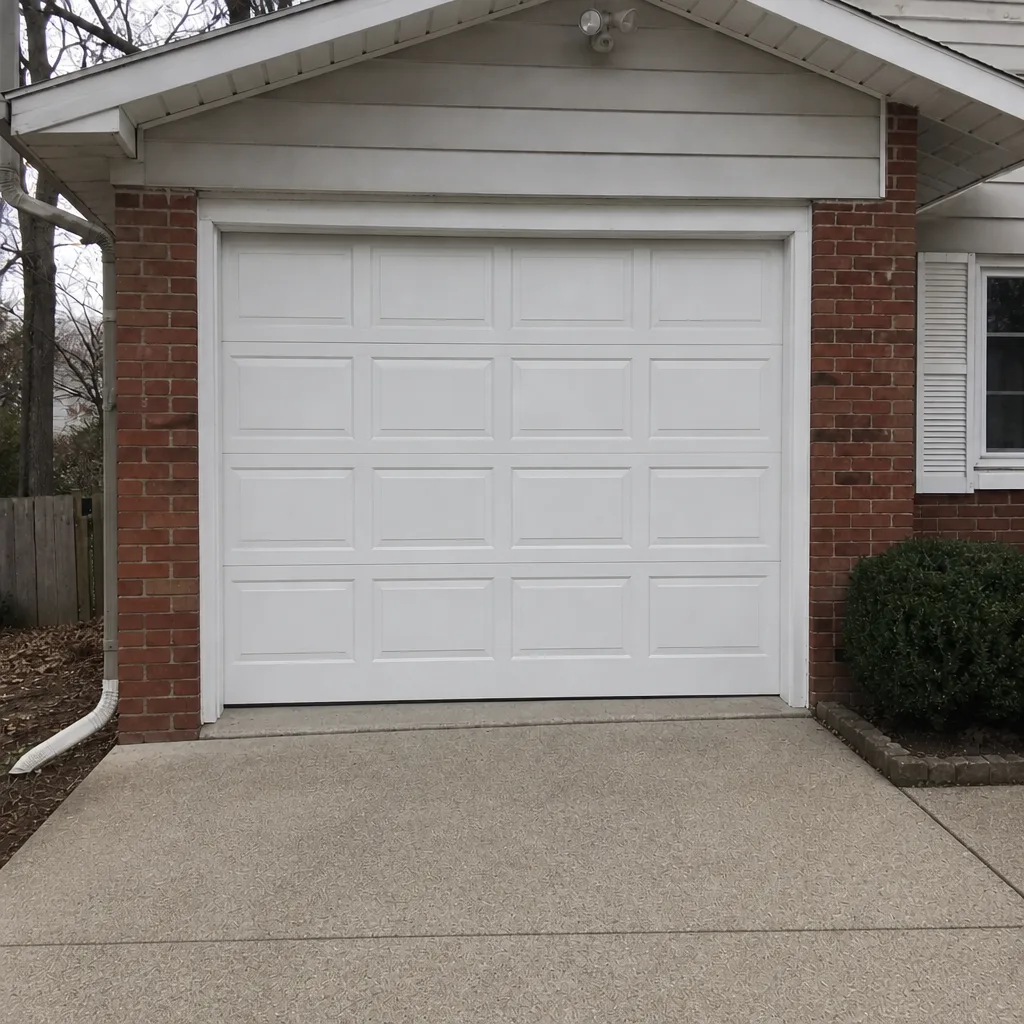 After
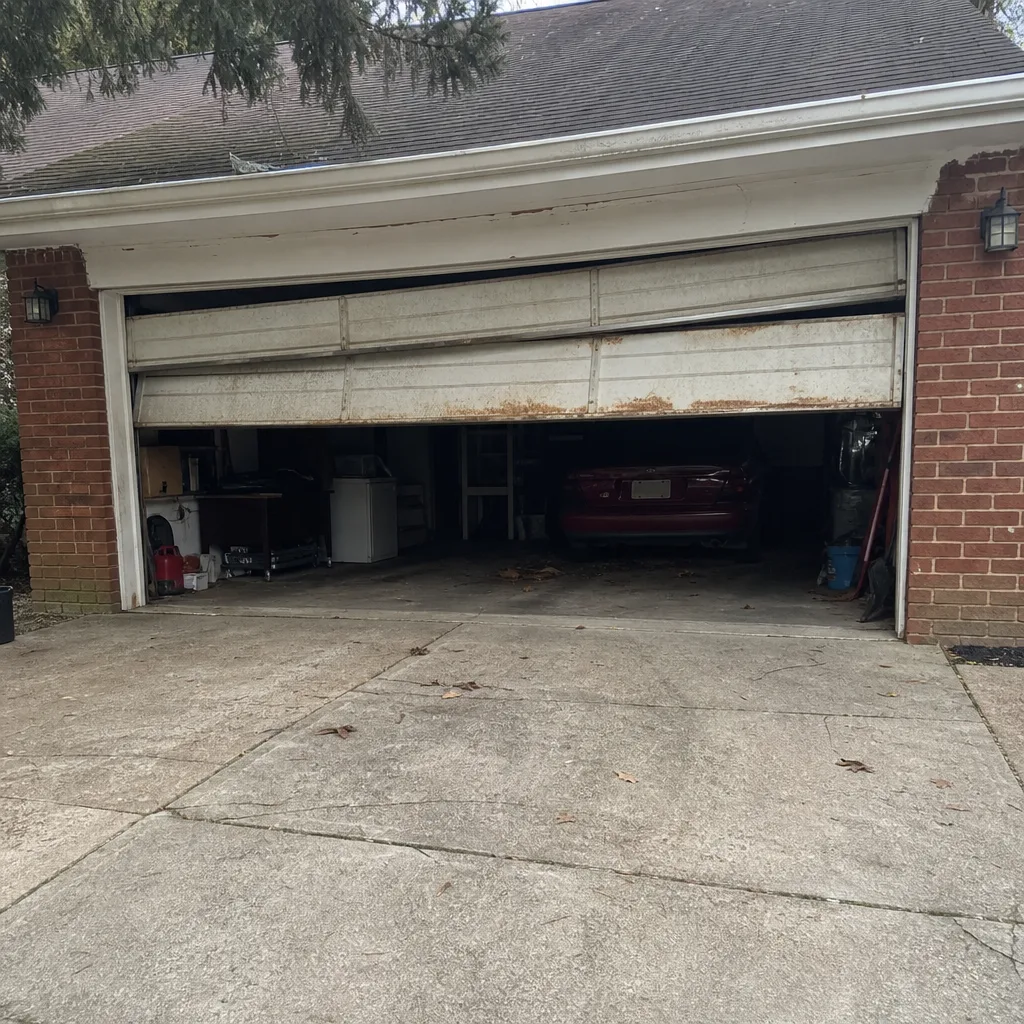 Before
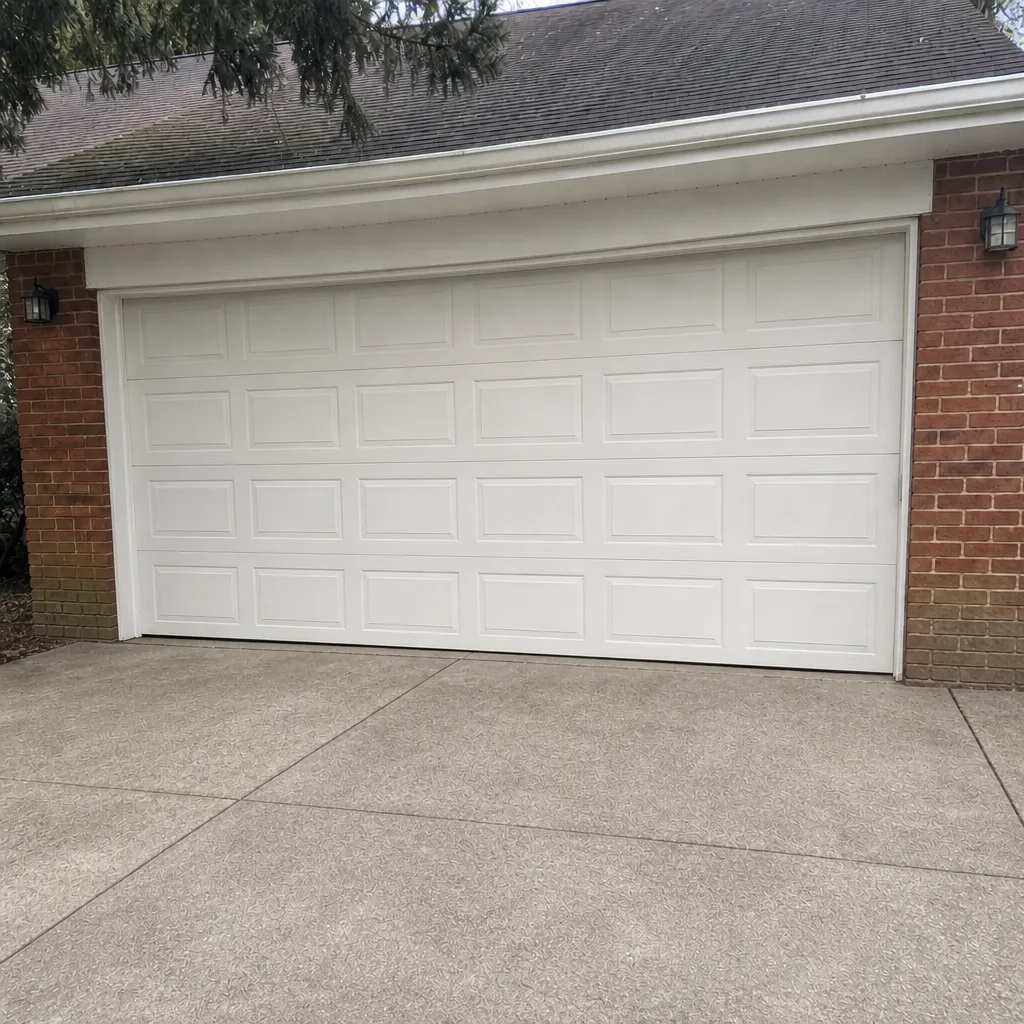 After
When to Call a Professional
Some garage door questions are fine to figure out with a phone call to the county. Others are better handled by someone who knows the equipment. When the door has snapped a spring, when it’s hanging crooked or stuck open, when a new opener needs to be installed correctly on an existing door, or when the scope is big enough to require a county permit, it’s time to bring in trained hands. Springs in particular are the most dangerous part of the system; a torsion spring under load can injure someone who doesn’t know how it releases, and this is not a repair to attempt without the right tools and experience. Beyond springs, electrical work on an opener and structural questions around the header are both places where professional attention is warranted. Silver Spring Garage Door Repair offers free estimates in Silver Spring, and our technicians have up to 8 years of experience across the brands you already have. Call (877) 357-8434 to book yours. We answer 24/7. Fast dispatch from 7am to 7pm, Sunday through Friday, and we are closed Saturday.
Frequently Asked Questions
It depends on scope. A like-for-like door replacement on the same opening without structural changes is treated as repair in many cases, while a full system replacement (new door, opener, and springs together) that changes anchoring or involves framing work commonly requires a Montgomery County building permit. Confirm with the county’s permitting office before work starts, because the answer turns on what’s actually being changed. If you’re not sure which category your job falls into, call (877) 357-8434 and we’ll walk you through it. Estimates are free.
Repair usually means swapping a worn component (a spring, a roller, an opener) without changing the structure or the anchoring of the opening. Replacement means installing a new door or new system in a way that changes the load path, the anchoring, or the opening itself. The county cares about structure and safety, so the closer your job gets to changing either of those, the more likely a permit applies. When the scope sits in between, the county’s permitting office is the right call to make.
Most applications go through the county’s ePlans online portal, where you upload drawings, product specifications, and contractor information, pay the fee, and track review status. A typical garage door application asks for the door and opener specs, the opening dimensions, and the contractor’s information. The inspection happens after install. Fees are set by the county. A licensed installer typically handles the submission when the job requires it.
It can, yes. Buyer’s inspectors and title reviews commonly look for permit records on major improvements, and an unpermitted garage door install can stall a sale or become a condition of closing. On the insurance side, an unpermitted job doesn’t automatically void a claim, but it can complicate one, because the insurer will want to know the install was done to code. A permit record is the clearest proof of that. It’s not about the paperwork for its own sake; it’s the record of a safe install.
In many of Silver Spring’s planned communities, yes. HOA architectural review runs alongside the county permit, not instead of it. Most associations ask for a product spec sheet and a photo or rendering before the door is ordered, and many meet on a set schedule, so plan lead time. Get the HOA approval letter and the county permit into the same project file. When a door fits the community standard, review is usually straightforward.
Replacing a spring is routine repair and typically not a permitted scope, because you’re not touching the structure or the anchoring of the opening. It is, however, the most dangerous repair on the door. Torsion springs under load store serious energy, and this is not a job to attempt without the right tools and training. Our garage door spring repair is a specialized service for exactly this reason. Call (877) 357-8434 if your door has snapped a spring or won’t lift. Estimates are free.
The Bottom Line
In Silver Spring, unincorporated or not, garage door replacements run through Montgomery County permitting. Repair jobs generally don’t need a permit; full system replacements often do, and anything that touches the header or the opening framing definitely does. If your home sits in an HOA community, approval from the association runs in parallel to the county permit, not in place of it. The paperwork is quick, the inspection is short, and the record is what protects you at a sale, an insurance claim, and when the door is doing the important job of keeping your home secure. When you’re ready to book an install, a repair, or an inspection-ready replacement, call (877) 357-8434 for a free estimate. We answer 24/7. Fast dispatch from 7am to 7pm, Sunday through Friday, and we are closed Saturday. Our technicians have up to 8 years of experience across the brands you already own, from garage door repair and garage door opener repair to a full new install. One call handles springs, openers, and panels together, so you’re not juggling multiple technicians or wondering whether anyone knows your equipment. For a broader look at how we work on doors in the area, you can start with Silver Spring Garage Door Repair, and we’ll take it from there. The door is your home’s largest moving part. It deserves the same care you’d give the roof or the furnace: installed correctly, documented, and inspected.
Written by the team at Silver Spring Garage Door Repair.